5 Min Read
As we approach World Liver Day 2026, it's a crucial time to reflect on the immense importance of our liver, a vital organ often taken for granted. This remarkable organ, weighing about 1.5 kg, performs over 500 essential functions, from detoxifying harmful substances and producing bile for digestion to storing vitamins and energy. Without a healthy liver, our body simply cannot function optimally. At Manipal Hospitals, we believe in empowering you with the knowledge to safeguard your health, and understanding liver health is paramount for overall well-being. Let's delve into why your liver matters and how you can actively protect it.
The prevalence of liver disease, including conditions like fatty liver, hepatitis, and cirrhosis, is a growing concern worldwide. Fortunately, many liver conditions are preventable or manageable with early intervention and lifestyle modifications. Studies show that early detection of liver conditions, such as non-alcoholic fatty liver disease (NAFLD), can lead to successful management and even reversal in over 90% of cases when caught in the initial stages. This World Liver Day, let's commit to making informed choices for a robust, healthy liver.
Synopsis
Why Your Liver is So Important: Key Functions You Should Know
Your liver works tirelessly behind the scenes to keep you healthy. Understanding its primary roles highlights why liver care should be a priority:
-
Detoxification: The liver filters toxins from your blood, including alcohol, drugs, and metabolic waste products, rendering them harmless or preparing them for excretion.
-
Digestion: It produces bile, a digestive fluid essential for breaking down fats in your small intestine.
-
Metabolism: Your liver metabolises carbohydrates, proteins, and fats, converting nutrients from your diet into usable energy and building blocks for your body.
-
Storage: It stores essential vitamins (A, D, E, K, B12), iron, and glucose (as glycogen) to release when your body needs them.
-
Immunity: The liver contains specialised immune cells that help fight infections and remove bacteria and other harmful substances from the blood.
-
Protein Production: It synthesises vital proteins, including those involved in blood clotting and maintaining fluid balance.
How to Protect Your Liver: Essential Tips for Optimal Liver Function
Nurturing your liver isn't complex, but it requires consistent effort. Here are actionable steps you can take to ensure excellent liver function and prevent common liver ailments:
-
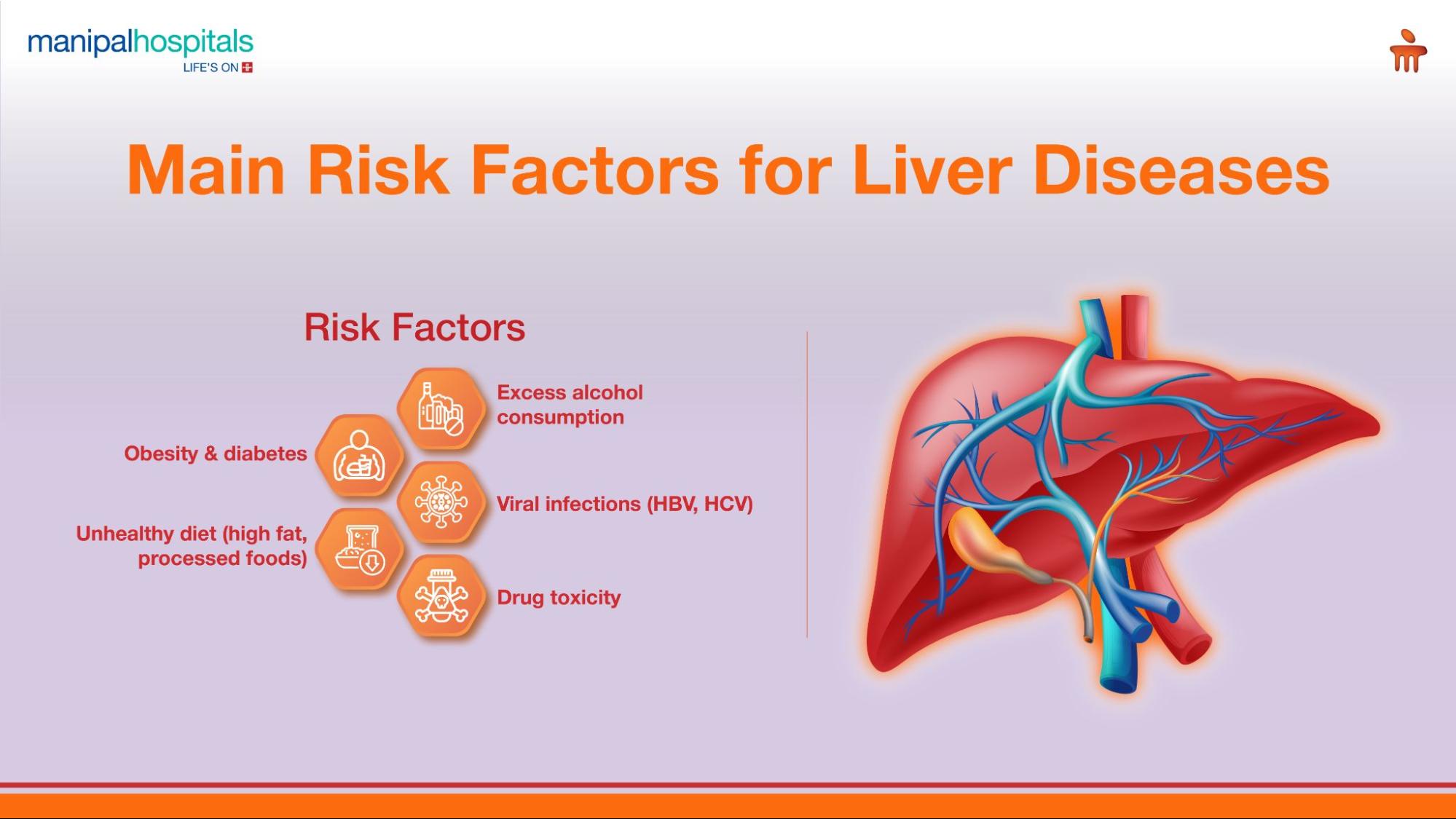
Maintain a Balanced Diet: Focus on whole foods, including fruits, vegetables, lean proteins, and whole grains. Limit processed foods, sugary drinks, and excessive saturated and trans fats. A diet rich in antioxidants can significantly reduce the risk of fatty liver disease.
-
Fact: Lifestyle changes alone have been shown to reverse early-stage fatty liver disease in up to 70% of individuals.
-
Achieve and Maintain a Healthy Weight: Obesity is a leading cause of non-alcoholic fatty liver disease (NAFLD), which can progress to more severe conditions like NASH (non-alcoholic steatohepatitis) and cirrhosis. Regular physical activity combined with a healthy diet is key.
-
Limit Alcohol Consumption: Excessive alcohol intake is a major cause of alcohol-related liver disease, including alcoholic hepatitis and cirrhosis. If you drink, do so in moderation. For some, complete abstinence may be necessary.
-
Exercise Regularly: Physical activity helps burn triglycerides for energy, reducing liver fat. Aim for at least 150 minutes of moderate-intensity exercise per week. Even a brisk walk can significantly boost your liver health.
-
Avoid Toxins: Be mindful of exposure to environmental toxins such as pesticides, chemicals, and aerosol sprays. When using such products, ensure adequate ventilation and wear protective gear.
-
Practice Safe Medication Use: Always follow dosage instructions for prescription and over-the-counter medications. Misusing or combining certain medications can be harmful to your liver. Consult your doctor or pharmacist about potential liver-related side effects.
-
Prevent Hepatitis: Hepatitis viruses (A, B, C, D, E) can cause severe liver inflammation. Get vaccinated against Hepatitis A and B. Practice safe hygiene, avoid sharing needles, and use protection during sexual activity to prevent transmission.
-
Regular Health Check-ups: Don't wait for symptoms to appear. Routine check-ups, especially if you have risk factors for liver disease, can help detect issues early. Blood tests can provide valuable insights into your liver function.
Conclusion
This World Liver Day, let's remember that our liver is a resilient organ, but it's not invincible. By adopting these simple yet effective strategies, you can significantly reduce your risk of chronic liver disease and ensure your liver continues to perform its vital functions for years to come. Your journey to a healthier liver starts today.
If you are experiencing any symptoms of liver problems or have concerns about your liver health, it's crucial to seek timely medical advice. Book an appointment with our expert at Manipal Hospitals today. Our team is dedicated to providing comprehensive liver care, from diagnosis and treatment to preventative guidance, ensuring you receive the best possible attention.
FAQ's
Common signs can include fatigue, nausea, vomiting, dark urine, pale stools, yellowing of the skin or eyes (jaundice), swelling in the legs and ankles, and unexplained weight loss. However, many liver diseases can be asymptomatic in their early stages.
In some cases, yes. Early-stage fatty liver disease can often be reversed with lifestyle changes. Liver inflammation from conditions like acute hepatitis can also resolve. However, advanced scarring (cirrhosis) is generally irreversible, though its progression can often be managed.
Several studies suggest that moderate coffee consumption (2-3 cups per day) may be beneficial for the liver, potentially reducing the risk of cirrhosis and liver cancer, and improving outcomes for people with existing liver disease. However, it's not a substitute for healthy lifestyle choices.
Foods high in sugar (especially fructose), unhealthy fats (saturated and trans fats), and processed foods can contribute to liver damage and conditions like fatty liver disease. Excessive alcohol is also highly detrimental.
For individuals with no known risk factors, routine blood tests during annual check-ups often include liver function tests. If you have risk factors (e.g., family history, obesity, heavy alcohol use, diabetes), your doctor may recommend more frequent or specific screenings.
Share this article on:


.webp "Liver Cancer Treatment")


--What-Every-Prostate-Cancer-Patient-Should-Know.webp "Prostate Cancer Surgery: LRP Procedure & Recovery Guide")