7 Min Read
Sleep is not a luxury; it is a biological necessity. When individuals consistently ignore rest, the brain pays the price. Sleep deprivation symptoms are often dismissed as minor inconveniences, yet they can signal deeper neurological strain. According to our neurologists in Ghaziabad, chronic sleep restriction significantly alters cognitive processing, emotional regulation, and long-term brain health. Understanding lack of sleep symptoms, identifying lack of sleep causes, and recognising serious sleep deprivation effects can help prevent lasting damage. In this comprehensive guide, we examine how insufficient rest disrupts the brain and answer the essential question: how many hours of sleep do adults need for optimal functioning?
Synopsis
- Understanding Sleep Deprivation Symptoms and Brain Function
- Sleep Deprivation Symptoms and Cognitive Decline
- Emotional and Psychological Sleep Deprivation Symptoms
- Physical and Neurological Sleep Deprivation Symptoms
- Sleep Deprivation Symptoms and Long-Term Brain Risks
- Preventing Sleep Deprivation Symptoms
- Conclusion: Protecting Brain Health from Sleep Deprivation Symptoms
Understanding Sleep Deprivation Symptoms and Brain Function
The brain undergoes critical restorative processes during sleep. Memory consolidation, toxin clearance, and neuronal repair all occur while we rest. When these cycles are interrupted, sleep deprivation symptoms begin to emerge.
Common early lack of sleep symptoms include:
-
Difficulty concentrating
-
Irritability
-
Slowed reaction time
-
Frequent yawning
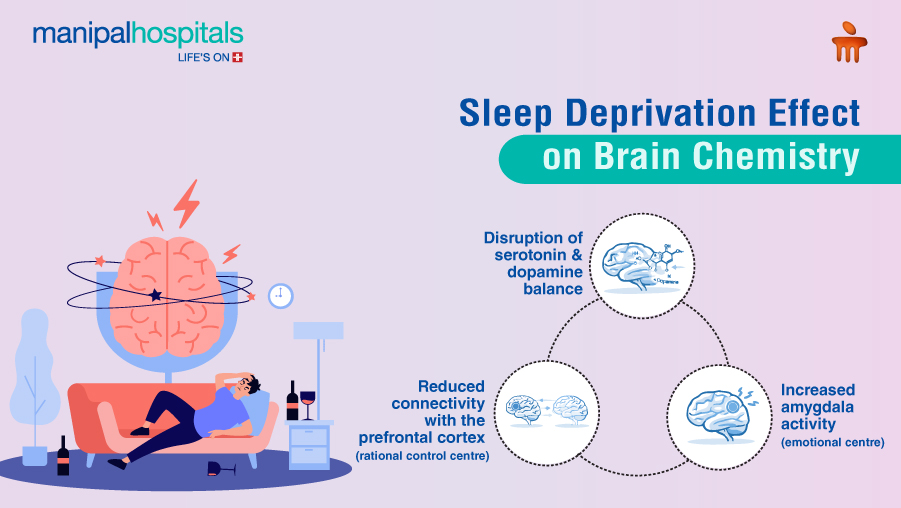
These warning signs reflect measurable sleep deprivation effects on the prefrontal cortex, the region responsible for reasoning and decision-making.
Research demonstrates that even one night of restricted sleep produces noticeable lack of sleep effects on attention span and emotional stability. Over time, repeated exposure to sleep deprivation symptoms increases the risk of neurological disorders.
To fully grasp the consequences, we must first understand how many hours of sleep adults need. Most adults require seven to nine hours per night. Falling short repeatedly can intensify both mild and severe lack of sleep symptoms.
Sleep Deprivation Symptoms and Cognitive Decline
One of the most concerning sleep deprivation symptoms is impaired cognition. The hippocampus, which supports memory formation, relies heavily on adequate sleep cycles.
Persistent sleep deprivation effects include memory lapses, difficulty retaining information, and reduced problem-solving capacity. These sleep effects may resemble early cognitive impairment when prolonged.
When examining lack of sleep causes, lifestyle factors such as excessive screen exposure, irregular work schedules, stress, and untreated sleep disorders frequently contribute. Identifying these lack of sleep causes is crucial in preventing worsening sleep deprivation symptoms.
Brain imaging studies reveal that chronic sleep restriction reduces neural connectivity. This explains why lack of sleep symptoms often include mental fog and confusion. If left unaddressed, ongoing sleep deprivation effects can increase susceptibility to neurodegenerative diseases.
Emotional and Psychological Sleep Deprivation Symptoms
Beyond memory, sleep deprivation symptoms strongly affect emotional health. The amygdala becomes hyperactive when sleep is insufficient, heightening emotional reactivity.
Common lack of sleep symptoms include:
-
Mood swings
-
Irritability
-
Reduced stress tolerance
These psychological effects of lack of sleep stem from disrupted neurotransmitter regulation.
Several causes of lack of sleep are behavioural, such as late-night device use or irregular sleep routines. However, medical conditions, including insomnia and sleep apnea, are also significant causes of lack of sleep that intensify sleep deprivation symptoms.
Long-term sleep deprivation effects are linked to depression and anxiety disorders. Addressing how many hours of sleep adults need is not merely about energy levels; it is fundamental to emotional resilience.
Our neurologists in Ghaziabad frequently observe that individuals underestimate early sleep deprivation symptoms, attributing them to stress rather than neurological strain.
Physical and Neurological Sleep Deprivation Symptoms
The brain communicates with every organ system. Therefore, sleep deprivation symptoms extend beyond cognition.
Physical lack of sleep symptoms may include headaches, weakened immunity, and increased appetite. These systemic sleep deprivation effects result from hormonal imbalance and inflammation.
Chronic lack of sleep effects include elevated cortisol levels and impaired glucose metabolism. These changes influence long-term brain health by increasing vascular risk factors.
Understanding how many hours of sleep adults need helps prevent these complications. When individuals consistently fall below recommended thresholds, sleep deprivation symptoms become more pronounced, and recovery becomes more difficult.
In severe cases, untreated lack of sleep causes such as obstructive sleep apnoea can trigger persistent sleep deprivation effects, including microsleeps and reduced alertness during critical tasks like driving.
Sleep Deprivation Symptoms and Long-Term Brain Risks
Chronic sleep deprivation symptoms are associated with increased accumulation of beta-amyloid, a protein linked to Alzheimer’s disease. During deep sleep, the glymphatic system clears metabolic waste. Without sufficient rest, these toxins build up.
Long-standing lack of sleep symptoms may therefore contribute to neurodegenerative progression. The cumulative lack of sleep affects vascular health and also increases stroke risk.
Recognising the lack of sleep causes early allows for timely intervention. Shift work, unmanaged stress, and poor sleep hygiene remain the leading causes of lack of sleep worldwide.
Studies emphasise that accurately answering how many hours of sleep adults need can significantly reduce the probability of severe sleep deprivation effects later in life.
If persistent sleep deprivation symptoms interfere with work or memory, our neurologists in Ghaziabad recommend a comprehensive evaluation to rule out underlying neurological or sleep disorders.
Preventing Sleep Deprivation Symptoms
Preventive strategies focus on eliminating modifiable causes of lack of sleep.
-
Maintain a consistent bedtime routine.
-
Limit screen exposure before sleep.
-
Reduce caffeine intake in the evening.
-
Create a quiet, dark sleep environment.
-
Seek medical advice if persistent sleep deprivation symptoms occur.
Early intervention minimises long-term sleep deprivation effects. Recognising subtle lack of sleep symptoms allows for behavioural adjustments before severe lack of sleep effects develop.
When lifestyle measures fail, consultation with our neurologist in Ghaziabad can help determine medical lack of sleep causes and provide evidence-based treatment.
Conclusion: Protecting Brain Health from Sleep Deprivation Symptoms
The brain depends on consistent, restorative sleep to function optimally. From impaired memory to emotional instability, sleep deprivation symptoms represent measurable neurological strain. The wide-ranging sleep deprivation effects extend beyond fatigue, influencing long-term cognitive resilience.
Understanding lack of sleep symptoms, identifying lack of sleep causes, and knowing how many hours of sleep adults need are essential for prevention. The cumulative lack of sleep effects can increase vulnerability to chronic disease and neurodegeneration.
Prioritising sleep is an investment in brain longevity. If persistent sleep deprivation symptoms interfere with daily life, professional evaluation can help restore balance and safeguard neurological health. Get advanced Neurology Care in Ghaziabad.
FAQ's
Common sleep deprivation symptoms include fatigue, irritability, poor concentration, memory lapses, and slowed reaction time. These are early sleep symptoms that signal disrupted brain function.
Key sleep deprivation effects include impaired memory consolidation, reduced attention span, and emotional instability. Long-term lack of sleep may increase the risk of neurological disorders.
Frequent lack of sleep causes include stress, excessive screen time, irregular work shifts, insomnia, and sleep apnoea. Identifying these helps reduce recurring sleep deprivation symptoms.
Experts recommend seven to nine hours nightly. Understanding how many hours of sleep adults need helps prevent persistent sleep deprivation symptoms and related sleep deprivation effects.
If ongoing sleep deprivation symptoms interfere with daily life or are accompanied by severe lack of sleep symptoms, consult a medical professional to evaluate potential underlying lack of sleep causes.
Share this article on: