7 Min Read
Peptic ulcer disease is a common condition affecting millions globally, characterised by open sores that develop on the inside lining of your stomach, the upper part of your small intestine, or sometimes the oesophagus. These ulcers can cause significant discomfort and, if left untreated, lead to more severe health complications. At Manipal Hospitals, our dedicated team of experts, including our gastroenterologists in Ghaziabad, is committed to providing comprehensive care, from accurate diagnosis to advanced stomach ulcer treatment, helping you reclaim your digestive health.
Understanding the causes and recognising the peptic ulcer symptoms early is crucial for effective management. This guide will explore the primary factors contributing to peptic ulcers, the significant role of H pylori infection, and how modern medicine, coupled with lifestyle changes, offers hope and healing.
Synopsis
What Exactly is a Peptic Ulcer?
A peptic ulcer is essentially an erosion in the protective mucous lining of the digestive tract. When the acidic digestive juices overwhelm this protective barrier, they begin to damage the underlying tissues, leading to painful open sores. There are primarily two types:
-
Gastric Ulcer: These develop in the stomach lining.
-
Duodenal Ulcer: These occur in the first part of the small intestine, called the duodenum.
While both are types of peptic ulcers, understanding the distinction between gastric ulcers and duodenal ulcers can sometimes influence specific aspects of diagnosis and treatment, though the core principles remain similar.
The Root Causes: Why Do Peptic Ulcers Form?
Historically, stress and spicy foods were thought to be the main culprits. While they can exacerbate symptoms, modern medicine points to two primary causes for the vast majority of peptic ulcers:
Helicobacter pylori (H. pylori) Infection
This spiral-shaped bacterium is a surprisingly common resident in the stomach and is responsible for an estimated 80-90% of duodenal ulcers and 60-70% of gastric ulcers worldwide. H pylori infection weakens the protective lining of the stomach and duodenum, making it more susceptible to acid damage.
-
How it works: H. pylori bacteria produce an enzyme called urease, which neutralises stomach acid, allowing the bacteria to survive. They then burrow into the mucous lining, causing inflammation and making the area vulnerable to digestive acids.
-
Prevalence & Impact: Globally, about half of the world's population is infected with H. pylori, though many remain asymptomatic. However, for those who develop ulcers, eradication of the bacteria can lead to a cure in over 90% of cases, significantly reducing recurrence.
Nonsteroidal Anti-inflammatory Drugs (NSAIDs)
Regular, long-term use of NSAIDs like ibuprofen, naproxen, and aspirin is the second leading cause of peptic ulcers. These medications work by blocking enzymes that promote inflammation and pain, but they also inhibit enzymes that protect the stomach lining from acid. This dual action can lead to erosion and ulcer formation.
Other Contributing Factors:
-
Smoking increases the risk of ulcer development and slows healing.
-
Alcohol consumption can irritate and erode the mucosal lining.
-
Stress and Spicy Foods: While not direct causes, they can worsen peptic ulcer symptoms and hinder healing.
-
Zollinger-Ellison Syndrome: A rare condition that causes the stomach to produce excessive acid.
Signs to Watch For: Common Peptic Ulcer Symptoms
The symptoms of a peptic ulcer can vary, but the most common one is a burning stomach pain. This pain might:
-
Be felt anywhere from your navel to your breastbone.
-
Be worse when your stomach is empty.
-
Be temporarily relieved by certain foods that buffer stomach acid, or by taking antacids.
-
Get worse at night or between meals.
Other peptic ulcer symptoms can include:
- Bloating or a feeling of fullness.
-
Heartburn.
-
Nausea or vomiting.
-
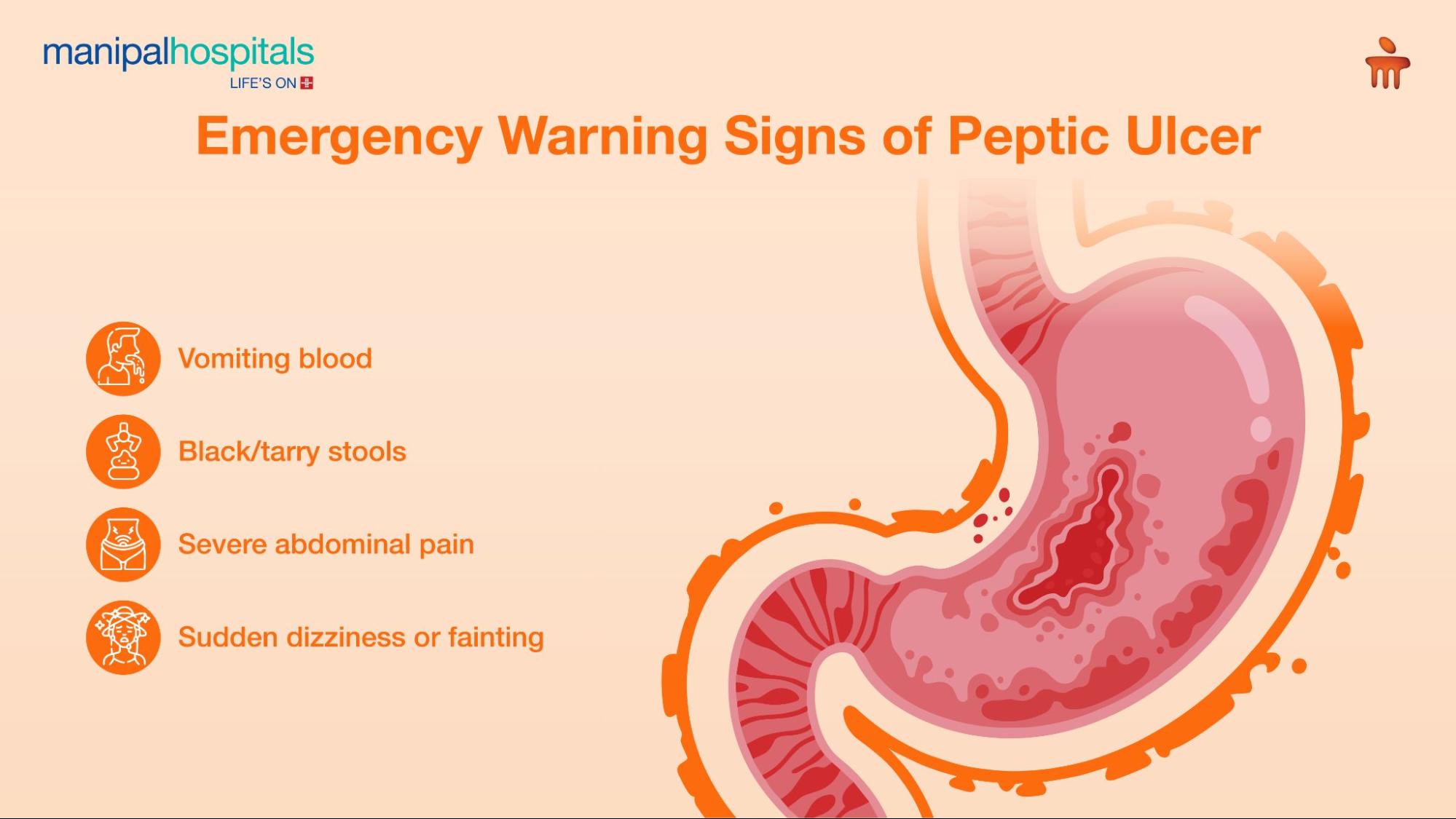
Dark, tarry stools (indicating bleeding).
-
Vomiting blood (a sign of a severe complication requiring immediate medical attention).
If you experience any of these symptoms, especially persistent pain or signs of bleeding, it is vital to consult a healthcare professional promptly. Early diagnosis by our gastroenterologists in Ghaziabad can prevent complications and lead to successful treatment.
Effective Stomach Ulcer Treatment: A Path to Recovery
The approach to stomach ulcer treatment depends on the underlying cause. Fortunately, with modern medical advancements, most peptic ulcers can be effectively treated, often with medication, and without surgery. Studies show that over 90% of peptic ulcers heal within 8-12 weeks with proper medical management.
Medical Therapies:
-
Antibiotics: If an H pylori infection is identified, a combination of antibiotics is prescribed to eradicate the bacteria. This typically involves a course of two different antibiotics along with a proton pump inhibitor (PPI). Successful eradication rates are very high, often exceeding 90%.
-
Proton Pump Inhibitors (PPIs): These powerful medications reduce stomach acid production, allowing the ulcer to heal.
-
H2-Receptor Blockers: These also reduce the amount of acid released into your digestive tract.
-
Antacids: Provide symptomatic relief by neutralising existing stomach acid.
-
Cytoprotective Agents: Medications that help protect the lining of the stomach and small intestine.
Hope and Healing at Manipal Hospitals
Peptic ulcer disease, though uncomfortable, is highly treatable. With advanced diagnostic tools and personalised treatment plans, our team at Manipal Hospitals is dedicated to restoring your digestive health. From expert endoscopy services to tailored medication regimens and lifestyle counselling, we offer comprehensive care. Many patients experience significant relief and complete healing, with a high success rate of treatment for H pylori infection and other causes. Remember, timely intervention is key to preventing complications and ensuring a swift recovery.
If you are experiencing symptoms suggestive of a peptic ulcer, it's crucial to seek timely medical advice. Book an appointment with our expert gastroenterologists at Manipal Hospitals today.
FAQ's
While stress can exacerbate ulcer symptoms and delay healing, it is not considered a direct cause. The primary causes are H. pylori infection and NSAID use.
A gastric ulcer forms in the lining of the stomach, while a duodenal ulcer forms in the first part of the small intestine (duodenum). Duodenal ulcers are generally more common.
Diagnosis can involve a breath test, stool test, or endoscopy with biopsy. Blood tests can also detect antibodies, but may not indicate an active infection.
Surgery is rarely needed today due to effective medical treatments. It may be considered for complications like severe bleeding, perforation, or obstruction that don't respond to other therapies.
While treatment for H. pylori is highly effective and significantly reduces recurrence, ulcers can recur if the infection isn't fully eradicated or if risk factors like continued NSAID use or smoking persist.
Share this article on: