7 Min Read
Lower back pain is a common and often debilitating condition that affects a vast majority of adults at some point in their lives. Statistics show that up to 80% of people will experience lower back pain at least once, making it one of the leading causes of disability worldwide. While it can range from a dull ache to a sharp, stabbing sensation, understanding its causes, knowing how to prevent it, and recognising when to seek professional medical attention are crucial steps toward maintaining optimal spinal health and achieving effective back pain relief. Our expert team of orthopaedics in Delhi-NCR is dedicated to providing comprehensive care and personalised treatment plans to help you overcome lower back pain and regain your quality of life.
Synopsis
Understanding Lower Back Pain: Common Causes
Lower back pain can stem from a variety of sources, impacting the complex network of muscles, ligaments, discs, and nerves in your lumbar region. Identifying the underlying back pain causes is the first step toward effective back pain treatment.
Musculoskeletal Causes
-
Muscle Strain and Ligament Sprain: This is the most common cause of acute lower back pain, often resulting from overstretching or tearing of the muscles or ligaments supporting the spine. Activities like heavy lifting, sudden movements, or even prolonged poor posture can lead to these injuries.
-
Herniated or Slipped Disc: The discs between your vertebrae act as cushions. A herniated disc occurs when the soft inner material pushes out through a tear in the tougher outer layer, potentially pressing on nearby nerves and causing pain, numbness, or weakness, often associated with sciatica.
-
Sciatica: Not a condition itself, but a symptom of an underlying issue, sciatica refers to pain that radiates along the path of the sciatic nerve, which branches from your lower back through your hips and buttocks and down each leg. It's often caused by a herniated disc or spinal stenosis.
-
Spinal Stenosis: This condition involves the narrowing of the spinal canal, which can put pressure on the spinal cord and nerves. It typically develops gradually with age and can cause back pain, numbness, and weakness, especially during walking.
-
Osteoarthritis: As a natural part of ageing, the cartilage that cushions your joints can wear down, leading to osteoarthritis in the spine. This can result in inflammation, pain, and stiffness, particularly in the morning or after periods of inactivity.
Lifestyle & Risk Factors
-
Poor Posture: Incorrect sitting, standing, and sleeping posture can place undue stress on your spine and surrounding muscles, contributing significantly to chronic back pain.
-
Sedentary Lifestyle & Lack of Exercise: Weak abdominal and back muscles (core muscles) are less able to support the spine, making it more vulnerable to injury. Regular physical activity is vital for spinal health.
-
Obesity: Excess body weight, particularly around the abdomen, puts additional strain on the lower back, increasing the risk of back pain. Studies suggest that maintaining a healthy weight can reduce stress on the spine by up to 20%.
-
Improper Lifting Techniques: Lifting heavy objects by bending at the waist instead of the knees can severely strain the back muscles and ligaments.
-
Stress: Psychological stress can lead to muscle tension and spasms in the back, exacerbating or even initiating lower back pain episodes.
-
Smoking: Smoking can reduce blood flow to the spinal discs, accelerating their degeneration and potentially leading to disc-related pain.
Less Common but Serious Causes
-
Fractures (e.g., from osteoporosis or injury)
-
Infections (e.g., osteomyelitis)
-
Tumours (spinal tumours)
Proactive Steps: Preventing Lower Back Pain
While some causes of lower back pain are unavoidable, many cases can be prevented or significantly mitigated through proactive lifestyle changes and mindful practices. Focusing on back pain prevention can lead to lasting back pain relief.
Ergonomics and Posture
-
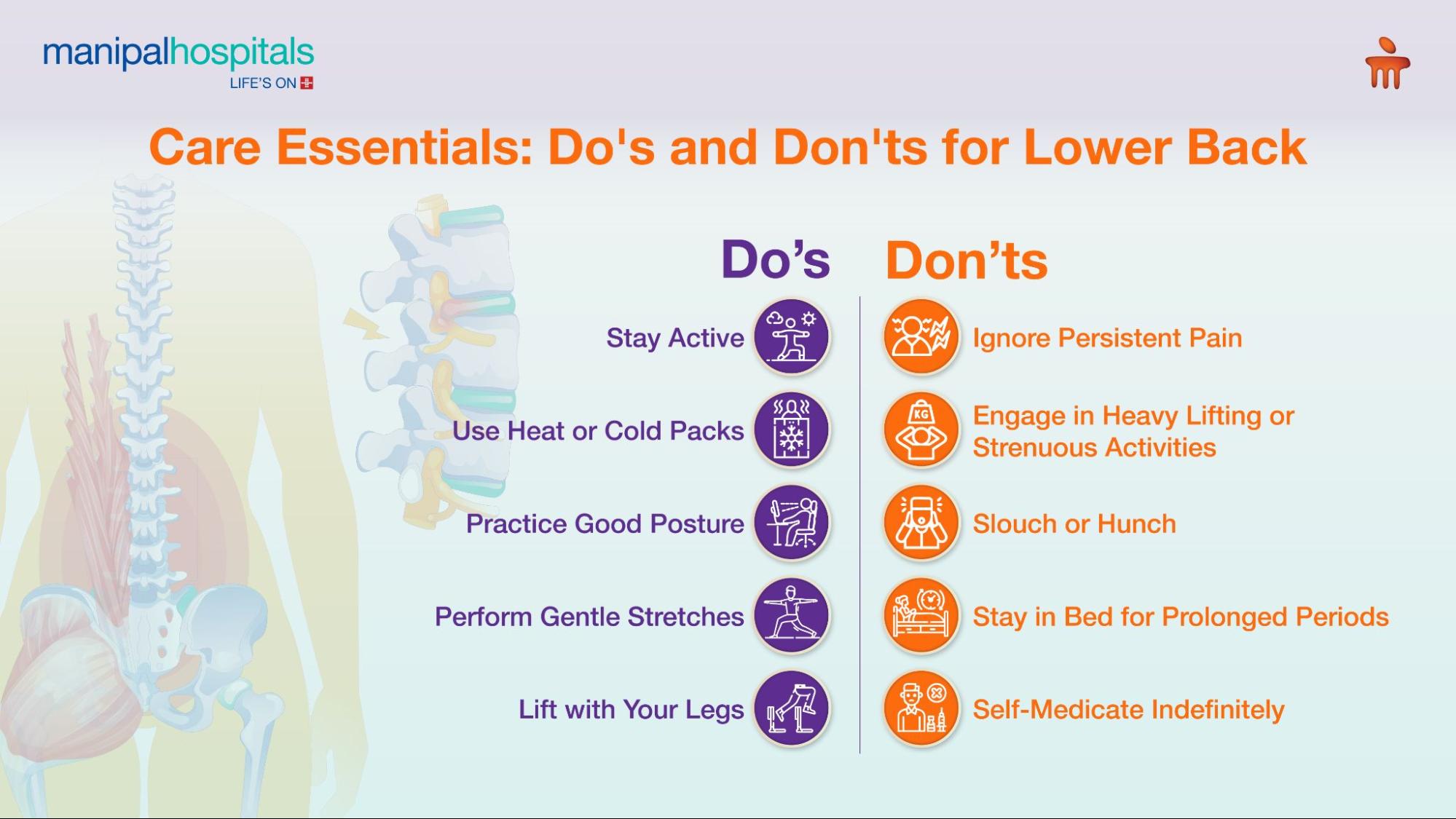
Maintain Good Posture: Be conscious of your posture, whether sitting, standing, or walking. Keep your back straight, shoulders back, and stomach pulled in. Avoid slouching.
-
Ergonomic Workspace Setup: If you work at a desk, ensure your chair provides good lumbar support, your feet are flat on the floor, and your computer screen is at eye level. Take regular breaks to stand and stretch.
-
Proper Lifting Techniques: When lifting, bend your knees, keep your back straight, and lift with your legs, holding the object close to your body. Avoid twisting while lifting.
Exercise and Movement
-
Regular Physical Activity: Engage in exercises that strengthen your core muscles (abdominal and back muscles) and improve flexibility. Activities like brisk walking, swimming, yoga, and Pilates are excellent for spinal health. Aim for at least 30 minutes of moderate exercise most days of the week.
-
Stretching: Incorporate gentle stretching into your daily routine to improve flexibility in your back, hips, and hamstrings.
-
Avoid Prolonged Sitting: If your job requires long periods of sitting, stand up, stretch, and walk around every 30-60 minutes.
Healthy Lifestyle Choices
-
Maintain a Healthy Weight: Managing your weight effectively reduces the strain on your lower back. Consult with a nutritionist at Manipal Hospitals for personalised advice.
-
Quit Smoking: If you smoke, quitting can significantly improve your overall health, including the health of your spinal discs.
-
Stress Management: Practice relaxation techniques such as meditation, deep breathing exercises, or mindfulness to reduce stress-induced muscle tension.
-
Stay Hydrated: Drinking enough water helps keep your spinal discs healthy and pliable.
When to See a Doctor for Lower Back Pain
While many episodes of lower back pain resolve with rest and self-care, certain symptoms warrant immediate medical attention. It's crucial to know when to consult a specialist for proper diagnosis and back pain treatment options.
Red Flag Symptoms
-
Pain Following a Significant Injury: If your back pain started after a fall, car accident, or other trauma.
-
Persistent Pain that Radiates: Pain that extends down one or both legs, especially below the knee, accompanied by numbness, tingling, or weakness in the leg or foot (potential sciatica or nerve compression).
-
Loss of Bowel or Bladder Control: This is a rare but serious symptom (cauda equina syndrome) requiring urgent medical evaluation.
-
Unexplained Weight Loss: If you are losing weight without trying, alongside back pain, it could indicate a more serious underlying condition.
-
Fever, Chills, or Night Sweats: These symptoms, combined with back pain, could signal an infection.
-
Pain that is Constant and Worsens at Night: Pain that doesn't improve with rest or changes in position, especially if it keeps you awake at night, should be evaluated.
-
Pain that Doesn't Improve: If your back pain persists for several weeks despite self-care measures, or if it significantly interferes with your daily activities.
-
History of Cancer or Immunosuppression: If you have a history of cancer or a weakened immune system, new or worsening back pain should be investigated promptly.
If you're experiencing persistent or severe lower back pain, don't let it limit your life. Early diagnosis and personalised treatment can significantly improve outcomes. Many patients experience substantial relief, with success rates for non-surgical treatments reaching up to 90% in appropriate cases.
If you are experiencing lower back pain, it's crucial to seek timely medical advice. Book an appointment with our expert orthopaedic in Delhi-NCR today.
FAQ's
No, most cases of acute lower back pain are not serious and resolve within a few weeks with conservative measures. However, persistent pain or pain accompanied by red flag symptoms (like numbness, weakness, or bowel/bladder issues) warrants medical evaluation.
Most acute cases of lower back pain resolve within 4 to 6 weeks. If pain persists beyond 12 weeks, it is considered chronic lower back pain and may require more intensive treatment.
Yes, stress can contribute to lower back pain. When stressed, muscles tend to tense up, leading to spasms and pain. Chronic stress can also heighten your perception of pain.
Yes, exercises that strengthen your core muscles (abdomen and back) and improve flexibility are beneficial. Examples include pelvic tilts, cat-cow stretches, gentle yoga, and walking. Always consult a healthcare professional or physical therapist before starting a new exercise regimen.
Sleeping on your side with a pillow between your knees, or on your back with a pillow under your knees, can help maintain the natural curve of your spine and reduce pressure on your lower back. A medium-firm mattress is generally recommended.
Share this article on: