7 Min Read
Testicular cancer most commonly occurs in men aged between 15-49 years. While relatively rare, it is highly treatable, especially when detected early. This guide provides essential information on testicular cancer symptoms, causes, and effective treatment options to help protect your health. Understanding the early signs of testicular cancer is paramount, as early detection significantly improves treatment success rates.
Synopsis
Recognizing Testicular Cancer Symptoms
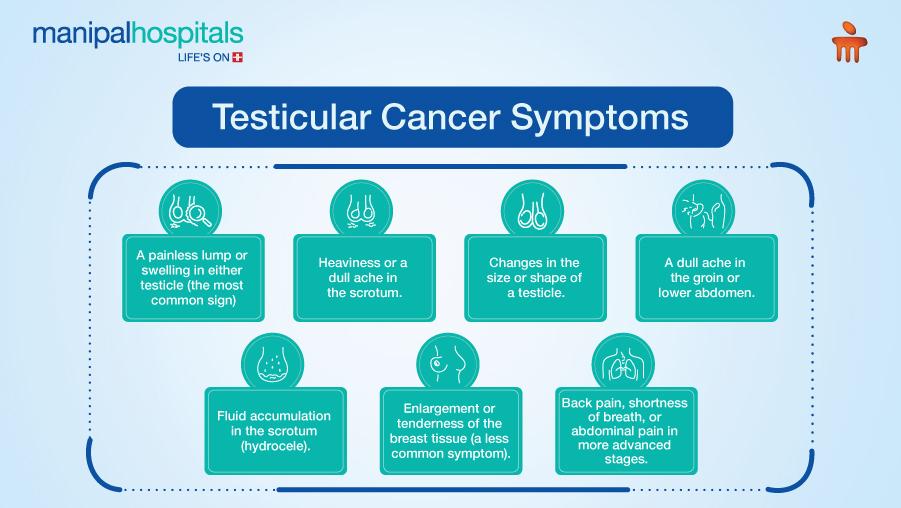
Being aware of testicular cancer symptoms is crucial for timely detection and treatment. Common symptoms of testicular cancer include:
-
A painless lump or swelling in either testicle (the most common sign).
-
Heaviness or a dull ache in the scrotum.
-
Changes in the size or shape of a testicle.
-
A dull ache in the groin or lower abdomen.
-
Fluid accumulation in the scrotum (hydrocele).
-
Enlargement or tenderness of the breast tissue (gynecomastia), a less common symptom.
-
Back pain, shortness of breath, or lump in the neck in more advanced stages.
These symptoms may indicate other benign conditions. However, if you notice any of the above testicular cancer symptoms, seek medical advice promptly.
Testicular Cancer Causes and Risk Factors
Exact testicular cancer causes are not fully understood, but several risk factors increase susceptibility. Many men without known risks can still develop it.
-
Undescended Testicle (Cryptorchidism): This is the most significant risk factor that remains elevated even if the condition is surgically corrected.
-
Family History: Male family members, like father or brother, who have been affected by testicular cancer may increase the risk.
-
Previous Testicular Cancer: Men who have had cancer in one testicle have an increased risk of developing it in the other.
-
Age: Testicular cancer most commonly affects men between 15 and 49, with a peak in the late 20s and early 30s.
-
Race and Ethnicity: White men are at a higher risk of developing it than men of other races.
Diagnosing Testicular Cancer
If you have potential testicular cancer symptoms, your doctor will conduct a thorough examination and recommend diagnostic tests to confirm the diagnosis and determine the cancer stage:
Physical examination:
-
Scrotal Ultrasound: This is a non-invasive imaging test that uses sound waves to distinguish between a solid tumour and a fluid-filled cyst.
-
Blood Tests (Tumour Markers): AFP, β-HCG, HCG and LDH are essential tumour markers. These can appear elevated in the test results, signalling towards malignancy.
-
Inguinal Orchiectomy: Here, the testicle suspected to be affected by testicular cancer is removed surgically for further diagnosis.
-
Imaging Tests (CT Scan, Chest X-ray): Performed to check if cancer has spread to other parts of the body.
A precise diagnosis is crucial for creating an effective testicular cancer treatment plan.
Testicular Cancer Treatment Options
Testicular cancer treatment is personalised, based on cancer stage, and overall health condition of the patient. Common methods include:
-
Surgery (Orchiectomy): The primary treatment involves surgical removal of the affected testicle. Most men lead normal lives, retaining fertility and sexual function with one healthy testicle.
-
Retroperitoneal Lymph Node Dissection (RPLND): Lymph nodes of the abdominal region are removed if the cancer has spread.
-
Radiation Therapy: Uses high-energy rays to kill cancer cells, sometimes after surgery, particularly for certain types of testicular cancer.
-
Chemotherapy: Involves powerful drugs to kill cancer cells throughout the body, often used for advanced-stage cancer that is suspected to have spread.
Care Essentials: Do's and Don'ts
It is crucial to perform regular testicular self-examinations, seek prompt medical attention for any abnormality noticed. If abnormality noted (in self- examination) following previous testicular cancer detection, report to your doctor immediately. Don't ignore symptoms or skip follow-up care, and communicate openly with your healthcare team.
Testicular cancer has a positive prognosis, especially with early detection. Overall 5-year survival rate is approximately 95%, reaching nearly 99% for localised cases. After successful testicular cancer treatment, regular follow-up care is essential to monitor for recurrence. Most men lead full, healthy lives, often maintaining fertility and sexual function. Early diagnosis leads to simpler and more effective testicular cancer treatment. If you have concerns about testicular cancer or experience symptoms, seek timely medical advice. Book an appointment with the Oncology experts at Manipal Hospitals Dhakuria today. Our team is dedicated to supporting you through recovery and beyond.
FAQ's
Prostate cancer and testicular cancer are two different forms of cancer with different symptoms, causes and risk factors. While these two are common cancers in men, there is no evidence that supports one causing the other.
Overall 5-year survival rate is approximately 95%, reaching nearly 99% for localised cases. However, early detection is crucial for this outcome, making it important to stay vigilant about testicular cancer symptoms.
Use of tobacco, excessive alcohol consumption, prolonged sitting and excess heavy lifting can worsen risk of testicular cancer in men.
Recovery depends on individual circumstances. Patients can resume light activities within 2 to 3 weeks, but full recovery may take a little longer.
Fertility after testicular cancer treatment depends on individual patient. Fertility can be regained after removal of one testicle. On the other hand, sperm freezing can also be done before beginning treatment to use later via modes like IVF.
Share this article on: