6 Min Read
Breathing problems are among the most common health concerns affecting people of all ages, and asthma is a leading cause behind them. Whether occasional or chronic, breathing problems can interfere with daily life and overall wellbeing. Understanding asthma, its triggers, and correct inhaler use is essential for managing symptoms effectively. If you are experiencing persistent breathing problems, consulting our pulmonologists in Delhi-NCR can help you receive an accurate diagnosis and personalised care.
Asthma-related Breathing Problems occur when the airways become inflamed, narrowed, and filled with mucus, making it difficult to breathe. These episodes can range from mild discomfort to severe attacks requiring immediate medical attention. Identifying the causes and recognising early signs can make a significant difference in preventing complications.
Synopsis
- Understanding Asthma and Breathing Problems
- Common Breathing Problem Causes in Asthma
- Breathing Problems Symptoms to Watch For
- Types of Breathing Problems Linked to Asthma
- Asthma Triggers and Prevention
- Inhaler Use Explained
- Special Considerations: Breathing Problem During Pregnancy
- When to Seek Medical Help
- Long-Term Management of Breathing Problems
- Conclusion
Understanding Asthma and Breathing Problems
Asthma is a chronic respiratory condition characterised by recurring breathing problems. It affects the bronchial tubes, which carry air in and out of the lungs. When exposed to triggers, these airways swell and tighten, leading to breathing problems and symptoms such as wheezing, coughing, chest tightness, and shortness of breath.
There are different types of breathing problems associated with asthma, including allergic asthma, non-allergic asthma, exercise-induced asthma, and occupational asthma. Each type has unique triggers and management approaches, but all can contribute to ongoing breathing problems if not treated properly.
Common Breathing Problem Causes in Asthma
Understanding the causes is key to managing asthma effectively. Various environmental and physiological factors can trigger Breathing Problems, including:
-
Allergens: Dust mites, pollen, pet dander, and mould
-
Air Pollution: Smoke, vehicle emissions, and industrial pollutants
-
Weather Changes: Cold air or sudden temperature shifts
-
Respiratory Infections: Colds, flu, and sinus infections
-
Physical Activity: Particularly in exercise-induced asthma
-
Stress and Emotions: Anxiety can worsen breathing problems.
In some cases, hormonal changes can also influence respiratory health. For instance, breathing problems during pregnancy are not uncommon, as hormonal fluctuations and increased oxygen demand may intensify existing asthma or lead to new breathing problems.
Breathing Problems Symptoms to Watch For
Recognising the symptoms of breathing problems early can help prevent severe asthma attacks. Common signs include:
-
Persistent coughing, especially at night
-
Wheezing or whistling sound while breathing
-
Shortness of breath during routine activities
-
Chest tightness or pressure
-
Difficulty speaking due to lack of breath
These symptoms may vary depending on the types of breathing problems an individual has. Some people experience mild, occasional Breathing Problems, while others may have frequent and severe episodes that require medical intervention.
Types of Breathing Problems Linked to Asthma
There are several types of breathing problems associated with asthma, each requiring a tailored approach:
-
Allergic Asthma: Triggered by allergens such as pollen or dust.
-
Non-Allergic Asthma: Caused by stress, infections, or environmental factors.
-
Exercise-Induced Bronchoconstriction: Breathing problems triggered by physical exertion.
-
Occupational Asthma: Caused by workplace irritants like chemicals or fumes.
-
Nocturnal Asthma: Symptoms worsen at night, leading to disturbed sleep.
Identifying the specific types of breathing problems helps healthcare providers develop effective treatment plans. Our pulmonologists in Delhi-NCR specialise in diagnosing these variations and offering targeted therapies.
Asthma Triggers and Prevention
Managing triggers is one of the most effective ways to reduce breathing problems. Preventive strategies include:
-
Keeping indoor spaces clean and dust-free
-
Using air purifiers to reduce allergens
-
Avoiding smoking and second-hand smoke
-
Wearing masks in polluted environments
-
Staying updated with vaccinations
Understanding the causes of personal breathing problems allows individuals to minimise exposure and reduce the frequency of breathing problems.
Inhaler Use Explained
Inhalers are the cornerstone of asthma treatment and play a vital role in controlling breathing problems. They deliver medication directly to the lungs, providing quick and effective relief.
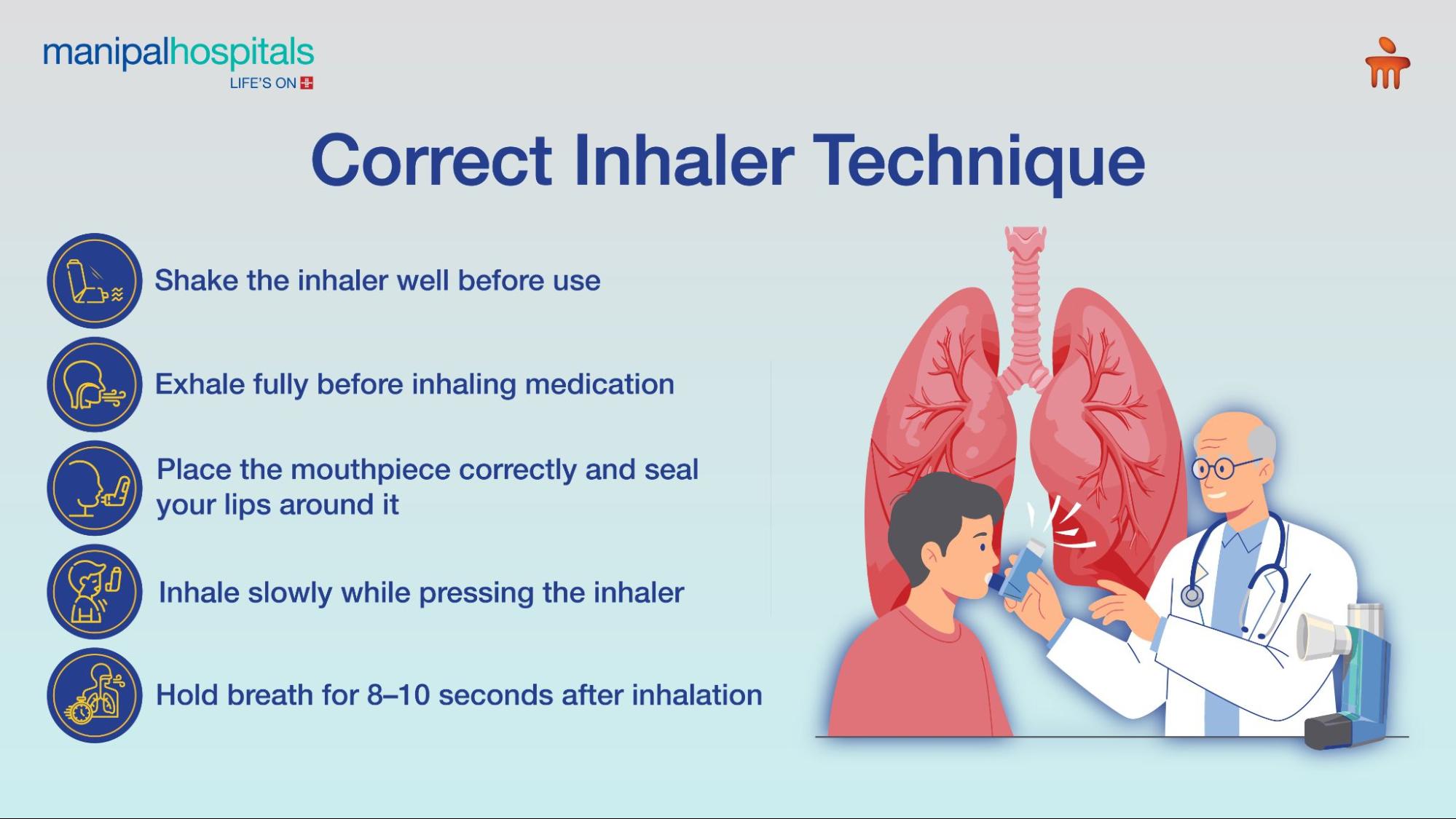
There are two main types of inhalers:
Reliever Inhalers
These provide immediate relief during an asthma attack by relaxing airway muscles. They are essential for sudden breathing problems.
Preventer Inhalers
These are used daily to reduce inflammation and prevent future breathing problems. They are especially important for individuals with frequent symptoms.
Special Considerations: Breathing Problem During Pregnancy
Breathing problems during pregnancy require careful management to ensure the health of both mother and baby. Hormonal changes can affect lung function, and uncontrolled asthma may lead to complications.
Pregnant women should:
-
Continue prescribed inhaler use
-
Avoid known breathing problem causes
-
Attend regular medical check-ups
-
Monitor breathing problems symptoms closely
Seeking guidance from our pulmonologists in Delhi-NCR ensures safe and effective management of breathing problems during pregnancy.
When to Seek Medical Help
While mild breathing problems can often be managed at home, certain situations require immediate medical attention:
-
Severe shortness of breath
-
No relief from inhaler use
-
Blue lips or fingernails
-
Difficulty speaking or walking
Early intervention can prevent life-threatening complications. Our pulmonologists in Delhi-NCR are equipped to handle both routine and emergency respiratory conditions.
Long-Term Management of Breathing Problems
Effective asthma management involves a combination of medication, lifestyle changes, and regular monitoring. Patients should:
-
Follow a personalised asthma action plan
-
Track breathing problems symptoms daily
-
Avoid identified triggers
-
Use inhalers as prescribed
Understanding the types of breathing problems and their triggers allows individuals to take control of their respiratory health and reduce dependence on emergency care.
Conclusion
Breathing problems caused by asthma can significantly impact quality of life, but with proper knowledge and management, they can be controlled effectively. Recognising breathing problem causes, understanding breathing problems' symptoms, and mastering inhaler use are crucial steps in maintaining healthy lungs.
Whether dealing with chronic asthma or an occasional breathing problem during pregnancy, timely medical support is essential. With the right care approach, individuals can lead active, symptom-free lives despite experiencing breathing problems.
FAQ's
Common breathing problem causes include allergens, air pollution, respiratory infections, and physical exertion.
Look for signs such as wheezing, coughing, chest tightness, and shortness of breath, especially during physical activity or at night.
The main types of breathing problems include allergic asthma, non-allergic asthma, exercise-induced asthma, and occupational asthma.
Yes, most inhalers are safe when prescribed by a doctor, and they help control Breathing Problems effectively during pregnancy.
Seek medical help if symptoms worsen, inhalers provide no relief, or if you experience severe shortness of breath.
Share this article on: