7 Min Read
Have you ever heard a ringing in your ears, like buzzing, roaring, or humming, that no one else seems to notice? It could be tinnitus, a condition that affects approximately 10–15% of people worldwide. While data on tinnitus in India is limited, a research study estimates that about 6.7% of Indian adults aged 18 to 60 experience this condition1. Often overlooked, tinnitus can significantly impact your quality of life and should prompt an early consultation with an ENT specialist for effective tinnitus treatment.
This blog will help you understand what tinnitus is, its symptoms, causes, and available treatment options.
Synopsis
What is Tinnitus?
Tinnitus is not a disease but a medical condition, which may be a symptom of other health conditions like hearing loss, ear injuries, etc. Tinnitus is a perception of a ringing sound in the ears or head, which is not caused by an external sound, and people cannot usually hear it. The sound can be soft or loud, constant or intermittent, and range from mild to severe, often affecting quality of life, sleep, and concentration.
Tinnitus can affect anyone, but it is more commonly seen in people between 40 and 80. Tinnitus treatment usually involves treating the underlying cause, reducing or masking its noise to make it less noticeable.
Tinnitus Symptoms
Tinnitus is commonly described as ringing in the ears, but other tinnitus symptoms may include hearing sounds like buzzing, hissing, humming, clicking, roaring, throbbing, whooshing, music or singing. The sound can be heard in one or both ears or in your head. The sound may fluctuate or intensify, disrupting your ability to perceive external sounds.
Tinnitus Causes
It’s not clear what causes tinnitus, but there are certain conditions that can cause or worsen it. Tinnitus can also be a symptom of an underlying health condition.
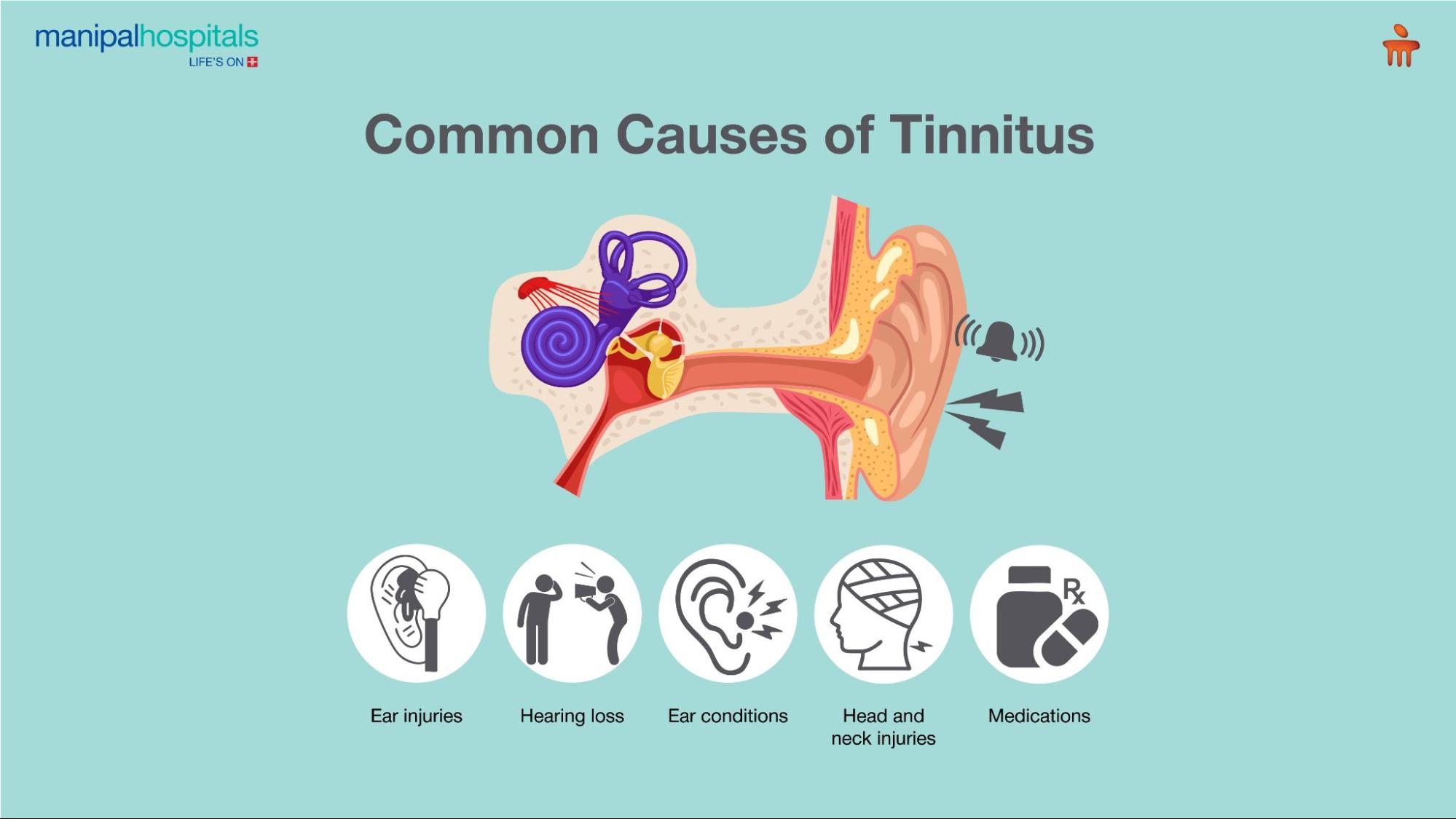
Common tinnitus causes include:
-
Ear injuries
-
Hearing loss (age-related and noise-induced)
-
Ear conditions, such as earwax blockages, ear infections
-
Head and neck injuries
-
Medications – NSAIDs, certain antibiotics, diuretics, antimalarial drugs, cancer drugs, and antidepressants
Other causes:
-
Meniere’s disease
-
Eustachian tube dysfunction
-
Otosclerosis, an abnormal bone growth that causes stiffening of the ear bones
-
Temporomandibular joint disorders
-
Vestibular schwannoma, the formation of a noncancerous tumour on the vestibular nerve
-
Blood vessel disorders
-
Other chronic conditions like autoimmune diseases, migraines, anaemia, thyroid, and diabetes
Tinnitus Diagnosis
To identify the cause of tinnitus, they will perform a physical examination to check your ears, head, and neck, understand your medical history and ask about recent exposure to loud noises. Further assessment may be needed, including:
-
Hearing tests
-
Blood tests
-
Imaging tests like MRI or CT
The doctor may also ask the type of sound you hear, which can help in identifying its possible cause.
Tinnitus Treatment
Tinnitus treatment depends on the underlying cause and focuses on reducing tinnitus symptoms by addressing that cause.
The common treatment approaches include:
-
Removal of earwax to clear any blockage that may be causing the tinnitus
-
Hearing aids, if it's due to hearing loss
-
Treating underlying blood vessel condition through medication, surgery or other treatments
-
Changing medications, if they are the cause of tinnitus
How to Cure Tinnitus?
Tinnitus cannot be completely cured, but these treatment approaches can help reduce the severity of tinnitus symptoms:
-
Noise suppression by using white noise machines or masking devices (wear in-ear noise generators)
-
Counselling options like Tinnitus Retraining Therapy (TRT) and Cognitive Behavioural Therapy (CBT)
-
Medications may be prescribed in some cases to treat an underlying condition or relieve symptoms, or associated symptoms like anxiety or depression
-
Transcranial magnetic stimulation and deep brain stimulation are being studied to help relieve tinnitus symptoms.
Tinnitus is usually diagnosed through a standard evaluation of symptoms alone, but certain tests are recommended to rule out any other underlying conditions. These include:
Audiological Exams: A patient is made to wear earphones and sit in a soundproof room. A sound is then played in one ear at a time to check if they can hear the sound. Treatment is then based on the results of the assessment.
Movement Test: Certain movement tests are performed to check if tinnitus is present or if it worsens.
Imaging Tests: Imaging tests like MRI and CT scans are performed to check if the tinnitus has resulted from any other underlying issues.
Lab Tests: Certain blood tests are performed for tinnitus to check for any other underlying conditions, like thyroid disease, cardiovascular disease or other related conditions.
Tinnitus Treatment
Tinnitus treatment depends on the underlying cause and focuses on reducing tinnitus symptoms by addressing that cause.
Common treatment approaches include:
- Earwax removal: Removing excess earwax can clear blockages that may be contributing to tinnitus.
- Hearing aids: Hearing aids may help when tinnitus is associated with hearing loss.
- Treatment for blood vessel conditions: Medication, surgery, or other treatments may be recommended when tinnitus is associated with a blood vessel condition.
- Medication changes: If a medication is contributing to tinnitus, the doctor may recommend changing or adjusting the medication when appropriate.
Tinnitus cannot always be completely cured. However, appropriate treatment and management can help reduce the severity and impact of tinnitus symptoms.
Possible approaches include:
Noise Suppression
Noise suppression techniques may help make tinnitus less noticeable. These may include:
- White noise machines
- Masking devices
- In-ear noise generators
Counselling and Behavioural Therapies
Counselling may help people manage their response to tinnitus and reduce its impact on daily life. Options may include:
- Tinnitus Retraining Therapy (TRT)
- Cognitive Behavioural Therapy (CBT)
Medications
In some cases, medications may be prescribed to:
- Treat an underlying condition
- Relieve associated symptoms
- Manage anxiety or depression associated with tinnitus
Emerging Treatment Options
Treatments such as:
- Transcranial magnetic stimulation
- Deep brain stimulation
are being studied for their potential role in relieving tinnitus symptoms.
Conclusion
Tinnitus is generally not serious, but if left untreated, it can contribute to complications such as:
- Depression
- Anxiety
- Difficulty concentrating
- Difficulty communicating
- Irritability
- Cognitive decline
Tinnitus can also sometimes be a symptom of an underlying health condition. Therefore, identifying its possible cause and seeking timely tinnitus treatment can help improve quality of life.
Consult an ENT specialist at Manipal Hospitals, Broadway to understand the possible cause of tinnitus and explore suitable treatment options.
FAQ's
Well, it depends on the cause. If tinnitus is temporary due to a recent exposure to loud noise, like at a concert, then it can get better in a week or two. But if there’s some other cause for tinnitus, then tinnitus treatment by a professional is important to manage the symptoms.
Yes, you can live a long life with tinnitus, as it does not shorten life expectancy. But having some underlying conditions, like heart disease, can affect the lifespan.
Although research is still going on, certain foods have been found to increase the risk, so they should be avoided.
These include:
-
Taking too much caffeine
-
High intake of sodium
-
Eating too much saturated fat
If you are hearing a persistent ringing in your ears, start by noting down the details of your symptoms – what you are experiencing, how frequently the sound occurs, whether you have started any new medications, or if you have had an injury or been exposed to loud noise. Then, schedule a visit with an ENT specialist at the earliest for a proper evaluation.
You can schedule an appointment with our ENT specialist at Manipal Hospitals, Broadway, by contacting us or visiting our website.
Visit: https://www.manipalhospitals.com/broadway/specialities/ear-nose-throat/
Contact no: 033 6907 0001
Share this article on:


--Symptoms,-Stroke-Risk-and-Modern-Treatment-Options.webp "Atrial Fibrillation (AFib): Symptoms, Stroke Risk and Modern Treatment Options")