5 Min Read
--Symptoms,-Stroke-Risk-and-Modern-Treatment-Options.webp "Atrial Fibrillation (AFib): Symptoms, Stroke Risk and Modern Treatment Options")
One of the most common heart rhythm disorders hospitals encounter is Atrial Fibrillation, often called AFib. This condition is characterised by an irregular and often rapid heartbeat, and affects an estimated 33.5 million people around the world. Left untreated, it can significantly increase the risk of serious complications like stroke. Awareness towards atrial fibrillation symptoms, causes, and modern treatment options is crucial for early detection and effective management. This blog guides you through.
Synopsis
Understanding atrial fibrillation (AFib)
Atrial Fibrillation is an irregular heart rhythm (arrhythmia) originating in the heart's upper chambers (atria). This happens when, instead of a coordinated contraction, the atria quiver chaotically, resulting in inefficient pumping of blood. This can result in blood pooling in the atria, increasing the likelihood of clot formation. The precise AFib causes can be complex, but common risk factors include:
-
Heart disease (like coronary artery disease, or heart failure)
-
Diabetes
-
Obesity
-
Advanced age
-
Excessive alcohol consumption
-
Sleep apnoea
-
Thyroid disorders
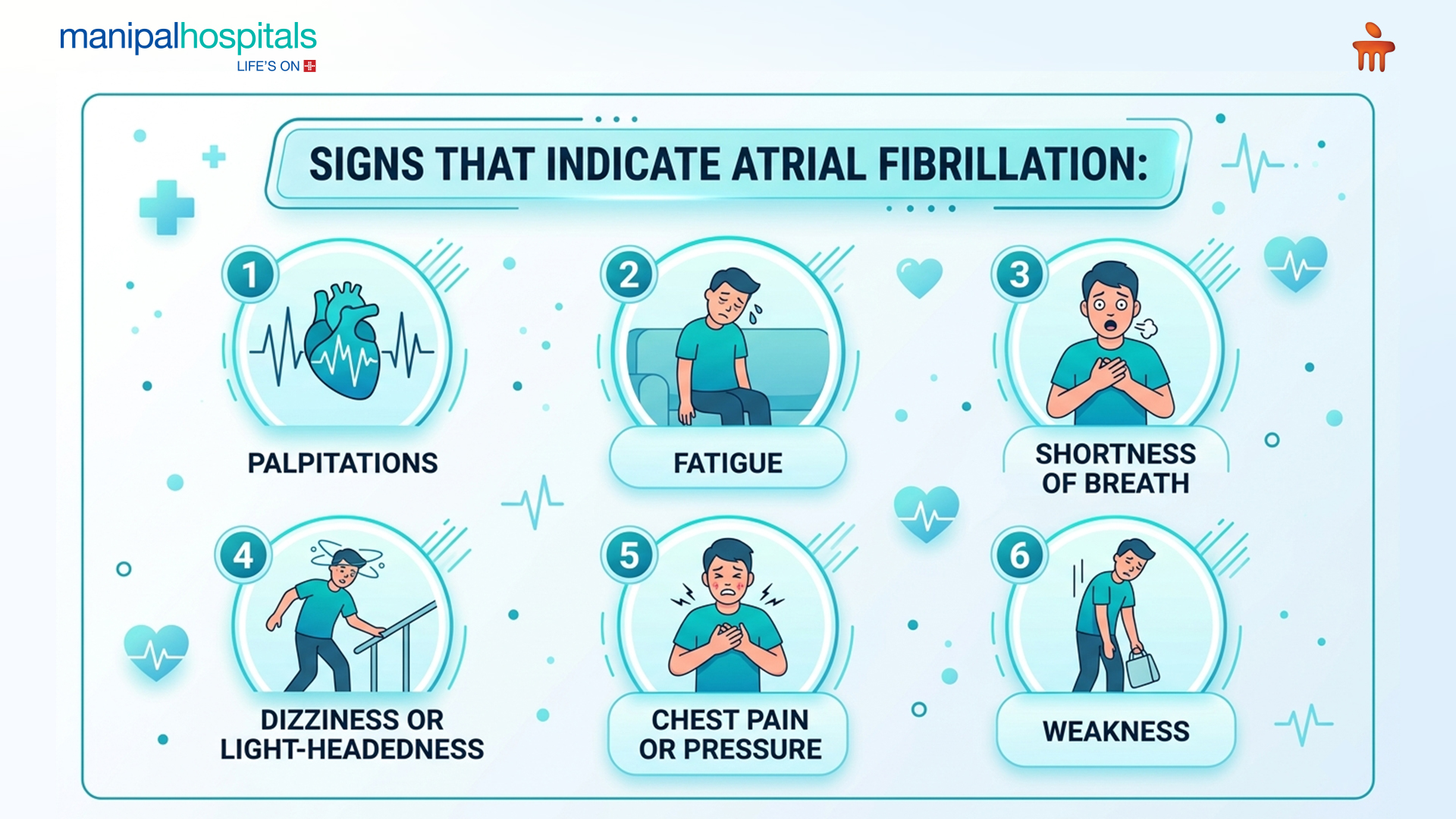
Recognising atrial fibrillation symptoms
The condition may often go unnoticed, as many affected individuals may not experience noticeable atrial fibrillation symptoms. This makes regular check-ups important. However, when symptoms do occur, they can significantly impact daily life. Recognising these irregular heartbeat symptoms early, particularly if they are persistent or recurrent, is key to seeking timely medical attention:
-
Palpitations- A sensation of a racing, pounding, or fluttering heart
-
Fatigue- Persistent tiredness and lack of energy
-
Shortness of breath- Especially during exertion
-
Dizziness or light-headedness- Feeling faint
-
Chest pain or pressure- Though less common, it can occur
-
Weakness- General feeling of being unwell or low energy
The critical link: AFib and stroke risk
One of the most concerning aspects of AFib is its strong association with stroke. When the atria quiver instead of contracting effectively, blood can pool and form clots. If a clot breaks loose, it can travel to the brain and block the blood flow, causing an ischemic stroke. The stroke risk in atrial fibrillation is approximately five times higher than in people without the condition. Remarkably, around 15-20% of all strokes are attributed to AFib. However, studies show that with effective management, the stroke risk in atrial fibrillation patients can be lowered by up to 60-70%. This clearly underscores the importance of adherence to prescribed treatments.
Role of smart watches and digital devices in the diagnosis of heart rhythm abnormalities
Modern smartwatches and digital health devices play an increasingly important role in monitoring heart rhythm issues. These devices help in tracking changes in the heart rate, detect irregularity in heartbeats, and provide early alerts for potential arrhythmias. In addition to this, some advanced devices also offer ECG recording features that are capable of capturing abnormal heart rhythms that may require medical attention. While these technologies support early detection and continuous monitoring, a proper diagnosis and treatment plan should essentially be guided by a cardiologist through detailed evaluation and medical tests.
Modern approaches to AFib treatment
Fortunately, with advancements in medical science, effective strategies are now available for AFib treatment that aim to control heart rate, restore normal rhythm, and most importantly, prevent stroke. Personalised treatment plans may include:
-
Medication- Medication helps manage heart conditions by controlling symptoms, maintaining heart rhythm, and reducing complications. Options may include-
-
Rate control- To slow down a rapid heart rate.
-
Rhythm control- To restore and maintain a normal heart rhythm.
-
Anticoagulants (blood thinners)- To prevent blood clot formation and reduce stroke risk.
-
Cardioversion- A procedure using electrical shocks or medication to reset the heart's rhythm.
-
Catheter Ablation- A minimally invasive procedure where small areas of heart tissue responsible for the irregular signals are identified and neutralised. This procedure boasts high success rates, with 70-90% of selected patients experiencing significant symptom improvement and freedom from AFib after one or two procedures.
-
Left Atrial Appendage Occlusion- For patients unsuitable for long-term anticoagulation, a device can be implanted to seal off the left atrial appendage, where most stroke-causing clots form.
g changes in the heart rate, detect irregularity in heartbeats, and provide early alerts for potential arrhythmias. In addition to this, some advanced devices also offer ECG recording features that are capable of capturing abnormal heart rhythms that may require medical attention. While these technologies support early detection and continuous monitoring, a proper diagnosis and treatment plan should essentially be guided by a cardiologist through detailed evaluation and medical tests.
Care essentials
Lifestyle measures, regular monitoring, and appropriate medical support can help manage AFib and promote heart health.
-
Attend regular check-ups and follow your doctor's recommendations diligently.
-
Adopt a heart-healthy lifestyle, including a balanced diet and regular exercise.
-
Do not ignore any irregular heartbeat symptoms, however mild they may seem.
-
Manage underlying conditions like high blood pressure, diabetes, and sleep apnoea.
-
Be aware of your atrial fibrillation symptoms and report any changes to your doctor.
-
Avoid self-medication or alteration of your prescribed AFib treatment plan without medical advice.
-
Quit smoking, as it significantly increases heart disease and AFib risk.
-
Limit your alcohol or caffeine consumption as it can trigger AFib episodes in some individuals.
Conclusion
Atrial Fibrillation can increase the risk of complications such as blood clots, stroke, and heart-related issues if left unmanaged. Timely diagnosis and proper treatment can help control the condition effectively. At Manipal Hospitals, our expert cardiologists provide personalised AFib care with advanced treatment approaches. Book an appointment today with our heart specialist at Manipal Hospitals Broadway for comprehensive heart care.
FAQ's
While AFib can be challenging to cure completely, it can often be effectively managed and controlled with a combination of medication, lifestyle changes, and advanced procedures like catheter ablation, significantly improving quality of life and reducing stroke risk.
AFib is primarily diagnosed through an electrocardiogram (ECG), which records the heart's electrical activity. Further tests like Holter monitors or event recorders may be used for intermittent episodes.
The primary danger of AFib is its association with stroke. The irregular heart rhythm can lead to blood clots forming in the heart, which can then travel to the brain, causing a stroke.
Absolutely. Lifestyle changes such as maintaining a healthy weight, regular exercise, a balanced diet, limiting alcohol and caffeine, and managing stress are vital components of effective AFib treatment and prevention.
If you have risk factors for AFib, discuss a personalized screening schedule with your doctor. Regular medical check-ups are essential for early detection and management.
Share this article on: