6 Min Read
Experiencing sudden spinning sensations, lightheadedness, or difficulty maintaining balance can be frightening and disruptive. Many people describe these feelings as vertigo or dizziness, and while the two terms are often used interchangeably, they refer to different sensations.
At Manipal Hospitals Baner, specialists frequently see patients struggling with balance disorders that affect their ability to perform routine activities such as walking, driving, or even getting out of bed. Understanding the causes of vertigo, symptoms of dizziness, and available dizziness treatment options can help individuals take the right steps toward recovery and improved quality of life.
This guide explains what vertigo and dizziness are, the possible underlying causes, common symptoms, and how modern treatments can help restore balance and stability.
Synopsis
- Understanding Vertigo and Dizziness
- What Are the Common Vertigo Causes?
- Other Causes of Dizziness
- Common Balance Disorder Symptoms
- Diagnosis and Dizziness Treatment
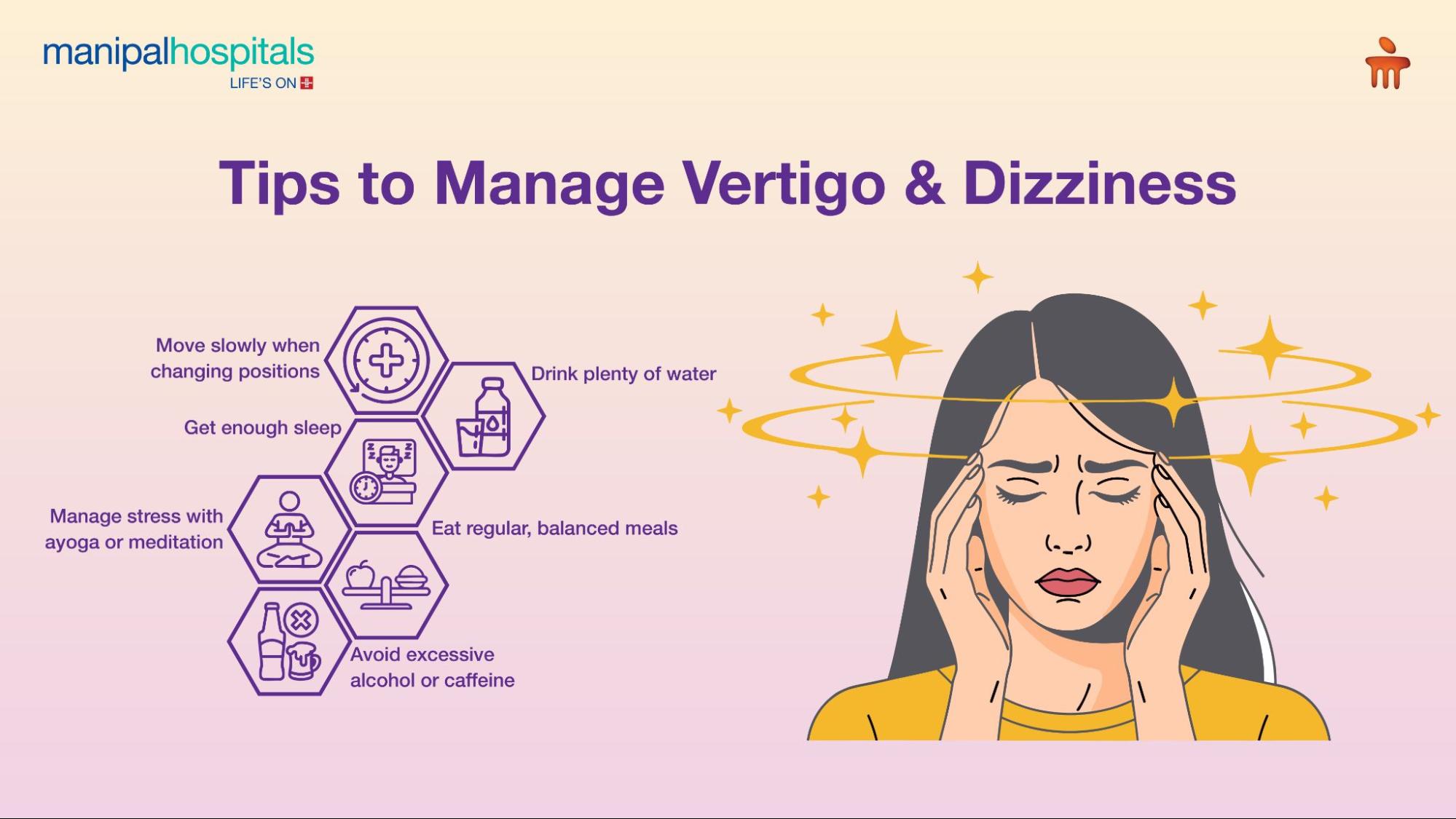
- Lifestyle Changes and Home Remedies
- Medical Treatments for Vertigo and Dizziness
- When Should You Seek Immediate Medical Help?
- Restoring Balance with Expert Care
- Conclusion
Understanding Vertigo and Dizziness
Although related, vertigo and dizziness are not the same condition.
Dizziness is a broad term that describes sensations such as:
-
Lightheadedness
-
Feeling faint
-
Unsteadiness
-
Loss of balance
Vertigo, however, is a specific type of dizziness in which a person feels as though they or their surroundings are spinning or moving.
These symptoms usually indicate a problem affecting the inner ear, brain, or balance system, collectively known as the vestibular system.
What Are the Common Vertigo Causes?
Identifying the correct vertigo causes is essential for accurate diagnosis and effective treatment. The vestibular system inside the inner ear plays a key role in maintaining balance and spatial orientation.
Below are some of the most common causes of vertigo.
1. Benign Paroxysmal Positional Vertigo (BPPV)
BPPV is the most common cause of vertigo, affecting many adults at some point in their lives.
It occurs when tiny calcium crystals in the inner ear become dislodged and move into the semicircular canals. When the head changes position, these crystals trigger brief episodes of spinning sensations.
Typical triggers include:
-
Rolling over in bed
-
Looking up or down
-
Sudden head movements
Despite being alarming, BPPV is usually treatable with simple repositioning manoeuvres.
2. Meniere’s Disease
Meniere’s disease is a chronic inner ear disorder that can cause severe episodes of vertigo along with other symptoms such as:
-
Hearing loss
-
Ringing in the ears (tinnitus)
-
A feeling of fullness in the ear
Vertigo attacks associated with this condition can last from 20 minutes to several hours, often affecting daily activities.
3. Vestibular Neuritis and Labyrinthitis
These conditions occur due to inflammation in the inner ear, usually caused by viral infections.
Symptoms may include:
-
Sudden severe vertigo
-
Nausea and vomiting
-
Difficulty maintaining balance
-
Hearing loss (in labyrinthitis)
The symptoms can last several days but typically improve gradually with appropriate treatment.
4. Migraine-Associated Vertigo
Many individuals who suffer from migraines also experience vestibular symptoms such as dizziness or vertigo, sometimes even without a headache.
Triggers may include:
-
Stress
-
Lack of sleep
-
Hormonal changes
-
Certain foods
Migraine-related vertigo is often managed through lifestyle changes and preventive medications.
5. Head Injury
Trauma to the head or neck can disrupt the delicate structures responsible for balance. Post-traumatic vertigo may appear immediately after injury or develop gradually over time.
Other Causes of Dizziness
Unlike vertigo, dizziness can arise from various medical or lifestyle factors unrelated to the inner ear.
Some common causes include:
Low Blood Pressure (Orthostatic Hypotension)
A sudden drop in blood pressure when standing up can lead to brief lightheadedness or faintness.
Medication Side Effects
Certain medications such as:
-
Blood pressure drugs
-
Sedatives
-
Antidepressants
-
Pain medications
may cause dizziness as a side effect.
Dehydration
Insufficient fluid intake can reduce blood circulation and lead to dizziness.
Low Blood Sugar
Hypoglycaemia, particularly in individuals with diabetes, can cause dizziness along with sweating and confusion.
Anxiety and Stress
Psychological factors can sometimes trigger lightheadedness, imbalance, or faint sensations.
Anaemia
Reduced oxygen delivery to the brain due to low haemoglobin levels may cause persistent dizziness and fatigue.
Common Balance Disorder Symptoms
Recognising the symptoms of balance disorders can help individuals seek timely medical care.
Typical balance disorder symptoms include:
-
Spinning sensations (vertigo)
-
Lightheadedness
-
Feeling faint
-
Loss of balance
-
Nausea or vomiting
-
Ringing in the ears
-
Hearing changes
-
Difficulty concentrating
-
Fatigue
If these symptoms occur frequently or interfere with daily activities, medical evaluation is essential.
Diagnosis and Dizziness Treatment
Effective dizziness treatment begins with identifying the underlying cause.
At Manipal Hospitals Baner, doctors conduct detailed assessments, which may include:
-
Medical history evaluation
-
Physical examination
-
Hearing tests (audiometry)
-
Balance function tests
-
Imaging tests such as MRI or CT scans
Once the cause is identified, treatment can be tailored accordingly.
Lifestyle Changes and Home Remedies
Some cases of mild dizziness can improve with simple lifestyle modifications.
Move Slowly
Avoid sudden movements, especially when getting up from bed or changing positions.
Stay Hydrated
Drink enough water throughout the day to maintain proper circulation.
Maintain Balanced Nutrition
Regular meals help prevent low blood sugar levels that may trigger dizziness.
Improve Sleep Habits
Getting 7–9 hours of quality sleep can reduce fatigue and balance disturbances.
Stress Management
Practices such as yoga, meditation, and breathing exercises can help manage stress-related dizziness.
Medical Treatments for Vertigo and Dizziness
When symptoms are persistent or severe, medical treatment becomes necessary.
Vestibular Rehabilitation Therapy (VRT)
VRT is a specialised physical therapy programme designed to retrain the brain and improve balance.
The therapy involves exercises that help the brain adapt to signals from the inner ear and improve coordination.
Many patients with chronic dizziness experience significant improvement after completing VRT programmes.
Medication
Doctors may prescribe medications depending on the cause, including:
-
Anti-nausea medications
-
Anti-inflammatory drugs
-
Migraine medications
-
Anxiety management medications
Repositioning Manoeuvres
For BPPV, doctors may perform the Epley manoeuvre or similar techniques to reposition displaced crystals in the inner ear.
These procedures are highly effective and often provide quick relief.
Treatment of Underlying Conditions
Managing related conditions such as:
-
Diabetes
-
Neurological disorders
is essential for long-term relief from dizziness.
When Should You Seek Immediate Medical Help?
Although most cases of vertigo are not life-threatening, certain symptoms require urgent medical attention.
Seek immediate care if dizziness occurs along with:
-
Severe headache
-
Sudden weakness or numbness
-
Difficulty speaking
-
Vision problems
-
Loss of consciousness
-
Sudden hearing loss
-
Persistent vomiting
These symptoms could indicate serious conditions such as stroke or neurological emergencies.
Restoring Balance with Expert Care
Living with persistent dizziness or vertigo can significantly affect everyday life. Fortunately, modern diagnostic techniques and advanced treatments make it possible to effectively manage most balance disorders.
At Manipal Hospitals Baner, a multidisciplinary team of neurologists, ENT specialists, and rehabilitation experts works together to accurately diagnose vertigo causes and provide personalised dizziness treatment plans.
With timely care and the right therapy, many patients experience significant improvement in balance, mobility, and overall quality of life.
Conclusion
If you or a loved one is experiencing persistent dizziness or vertigo symptoms, consult the specialists at Manipal Hospital Baner to begin the journey toward restoring stability and confidence.
FAQ's
Dizziness refers to a general feeling of lightheadedness or imbalance, while vertigo is a specific sensation of spinning or movement.
Yes, stress and anxiety can trigger dizziness or worsen existing balance disorders.
Inner ear disorders such as BPPV and Meniere’s disease are among the most common causes of vertigo, but neurological conditions and migraines can also contribute.
Doctors diagnose vertigo through medical history evaluation, balance tests, hearing assessments, and sometimes imaging scans.
Many cases of vertigo, especially BPPV, can be effectively treated and resolved with proper therapy and medical care.
Share this article on: