7 Min Read
Shortness of breath is often brushed aside as a sign of poor fitness, ageing, or stress. While breathlessness after strenuous activity can be normal, experiencing it during simple daily tasks or while resting may indicate an underlying medical issue. Although lung problems are commonly blamed, the heart is frequently the real cause.
At Manipal Hospital Pune, cardiologists often evaluate patients who initially suspect respiratory issues, only to discover that their symptoms are linked to heart health. Understanding how and why heart conditions cause breathlessness is essential for early diagnosis and effective treatment.
Synopsis
- Why Heart Problems Can Make Breathing Difficult
- Warning Signs That Suggest a Cardiac Cause
- Common Heart Conditions That Cause Breathlessness
- How Cardiac Breathlessness Is Diagnosed
- Managing Heart-Related Shortness of Breath
- When Should You Seek Immediate Medical Help?
- Take Charge of Your Heart Health
Why Heart Problems Can Make Breathing Difficult
The heart and lungs work in close coordination. The lungs supply oxygen, while the heart pumps oxygen-rich blood throughout the body. When the heart is unable to pump efficiently, blood can back up into the lungs. This leads to fluid accumulation and a sensation of tightness or difficulty breathing.
Unlike lung-related breathlessness, cardiac breathlessness may worsen at night, during minimal exertion, or when lying flat. These patterns are important clues that should not be ignored.
Warning Signs That Suggest a Cardiac Cause
Shortness of breath linked to heart disease often appears alongside other symptoms. Seek medical advice if you notice:
-
Breathlessness during previously easy activities
-
Difficulty breathing while lying flat
-
Sudden awakening at night with a choking sensation
-
Swelling in the feet, ankles, or abdomen
-
Persistent fatigue or weakness
-
Chest discomfort or pressure
-
Palpitations or irregular heartbeat
When multiple symptoms occur together, prompt cardiac evaluation becomes critical.
Common Heart Conditions That Cause Breathlessness
Heart Failure
Heart failure occurs when the heart muscle becomes weak or stiff and cannot pump blood effectively. This results in fluid buildup in the lungs, leading to breathlessness, especially during exertion or sleep.
With early diagnosis and lifestyle modifications, many individuals with heart failure can manage symptoms effectively and maintain a good quality of life.
Coronary Artery Disease
When arteries supplying blood to the heart become narrowed due to plaque buildup, the heart muscle receives less oxygen. This condition may cause breathlessness, fatigue, or chest discomfort, sometimes without classic chest pain.
Early identification of coronary artery disease plays a crucial role in preventing complications such as heart attacks.
Cardiomyopathy
Cardiomyopathy refers to diseases of the heart muscle that cause it to enlarge, thicken, or stiffen. These changes reduce the heart’s ability to pump blood efficiently, often resulting in breathlessness, reduced stamina, and swelling.
Symptoms may progress gradually, making early detection especially important.
Irregular Heart Rhythms (Arrhythmias)
An irregular heartbeat can disrupt normal blood flow, reducing oxygen delivery to the body. Individuals with arrhythmias may experience sudden episodes of breathlessness, dizziness, fatigue, or a fluttering sensation in the chest.
Modern treatments can successfully control or correct many rhythm disorders when diagnosed early.
Heart Valve Disorders
Heart valves regulate the direction of blood flow through the heart. If a valve becomes narrowed or leaky, the heart must work harder to circulate blood. Over time, this extra strain can lead to breathlessness, tiredness, and fluid retention.
Timely treatment can significantly improve symptoms and prevent long-term heart damage.
How Cardiac Breathlessness Is Diagnosed
To determine whether breathlessness is heart-related, doctors may recommend:
-
Electrocardiogram (ECG) to assess heart rhythm
-
Echocardiography to evaluate heart structure and function
-
Blood tests to check for heart stress markers
-
Chest imaging to detect fluid buildup
-
Stress testing to assess heart performance during activity
These investigations help identify the exact cause and guide personalised treatment.
Managing Heart-Related Shortness of Breath
Effective management involves a combination of medical treatment and lifestyle changes.
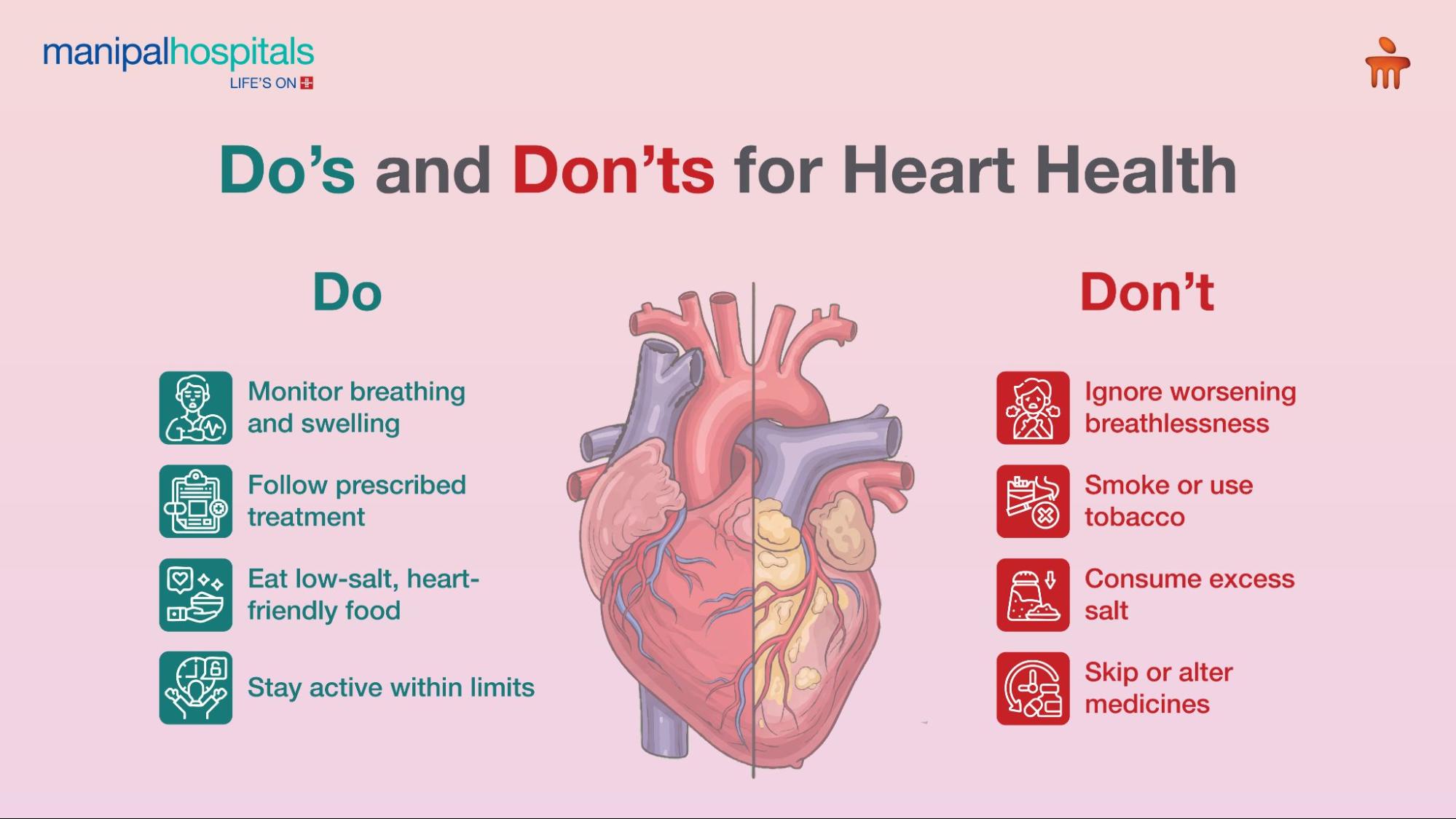
What You Should Do
Monitor symptoms such as breathlessness, swelling, and sudden weight gain
-
Take prescribed medications regularly
-
Follow a heart-friendly diet with limited salt intake
-
Stay physically active, following medical advice
-
Attend regular follow-up appointments
What You Should Avoid
-
Ignoring worsening symptoms
-
Smoking or tobacco use
-
Excessive salt and processed foods
-
Self-adjusting medications
-
Overexertion despite fatigue
Small, consistent lifestyle changes can significantly reduce symptom severity and slow disease progression.
When Should You Seek Immediate Medical Help?
Urgent medical attention is needed if there is breathlessness:
-
Occurs suddenly or at rest
-
Is accompanied by chest pain or fainting
-
Worsens rapidly
-
Interferes with sleep or daily activities
Early medical intervention can prevent serious complications and improve long-term outcomes.
Take Charge of Your Heart Health
Shortness of breath is not always a lung problem, and it should never be dismissed as a minor inconvenience. When the heart is the cause, early diagnosis and proper care can make a life-changing difference.
If you are experiencing persistent or unexplained breathlessness, consult a cardiologist in Baner, Pune, for a thorough cardiac evaluation and appropriate treatment.
Disclaimer: This content is for informational purposes only and should not be considered medical advice. Please consult a qualified healthcare professional for diagnosis and treatment.
FAQ's
No. Breathlessness can also be caused by lung conditions, anaemia, obesity, or anxiety. Medical evaluation helps determine the exact cause.
Heart-related breathlessness often worsens when lying down and may be associated with swelling and fatigue.
Yes, anxiety can cause breathlessness, but heart conditions must be ruled out first.
Yes. Waking up breathless at night is a classic warning sign of heart-related issues.
In many cases, yes. Early diagnosis, proper medication, and lifestyle changes can significantly improve symptoms.
Maintain a healthy diet, exercise regularly, manage blood pressure and cholesterol, avoid smoking, and undergo routine health check-ups.
Share this article on: