4 Min Read
Frequent loose motions can be uncomfortable, exhausting, and disruptive to daily life. While an occasional episode is common and usually harmless, repeated or persistent loose stools can raise concern and significantly affect your well-being. At Manipal Hospitals Baner, Pune our specialists often reassure patients that the majority of loose motion cases are treatable with timely care and the right approach.
Understanding why loose motion occurs frequently, recognising early loose motion, and knowing when to seek medical help can prevent complications and support faster recovery. The encouraging news is that over 90% of cases respond well to appropriate treatment, especially when addressed early.
Synopsis
Understanding Frequent Loose Motions
Loose motions, medically known as diarrhoea, refer to bowel movements that are watery, soft, or occur more often than normal. Depending on duration and cause, they are broadly classified into two types:
Acute Loose Motions
Acute diarrhoea usually lasts for 1–3 days and often results from infections, food-related issues, or sudden dietary changes. Most cases resolve on their own with rest, hydration, and simple dietary care.
Chronic Loose Motions
When loose motions continue for four weeks or more, they are considered chronic. This often points to an underlying medical condition that requires evaluation and targeted treatment by a specialist. Identifying chronic diarrhoea causes early is essential for long-term relief.
Why Loose Motion Occurs Frequently: Common Causes
Frequent loose motions can occur due to a wide range of reasons, from mild digestive disturbances to chronic illnesses. Some of the most common causes include:
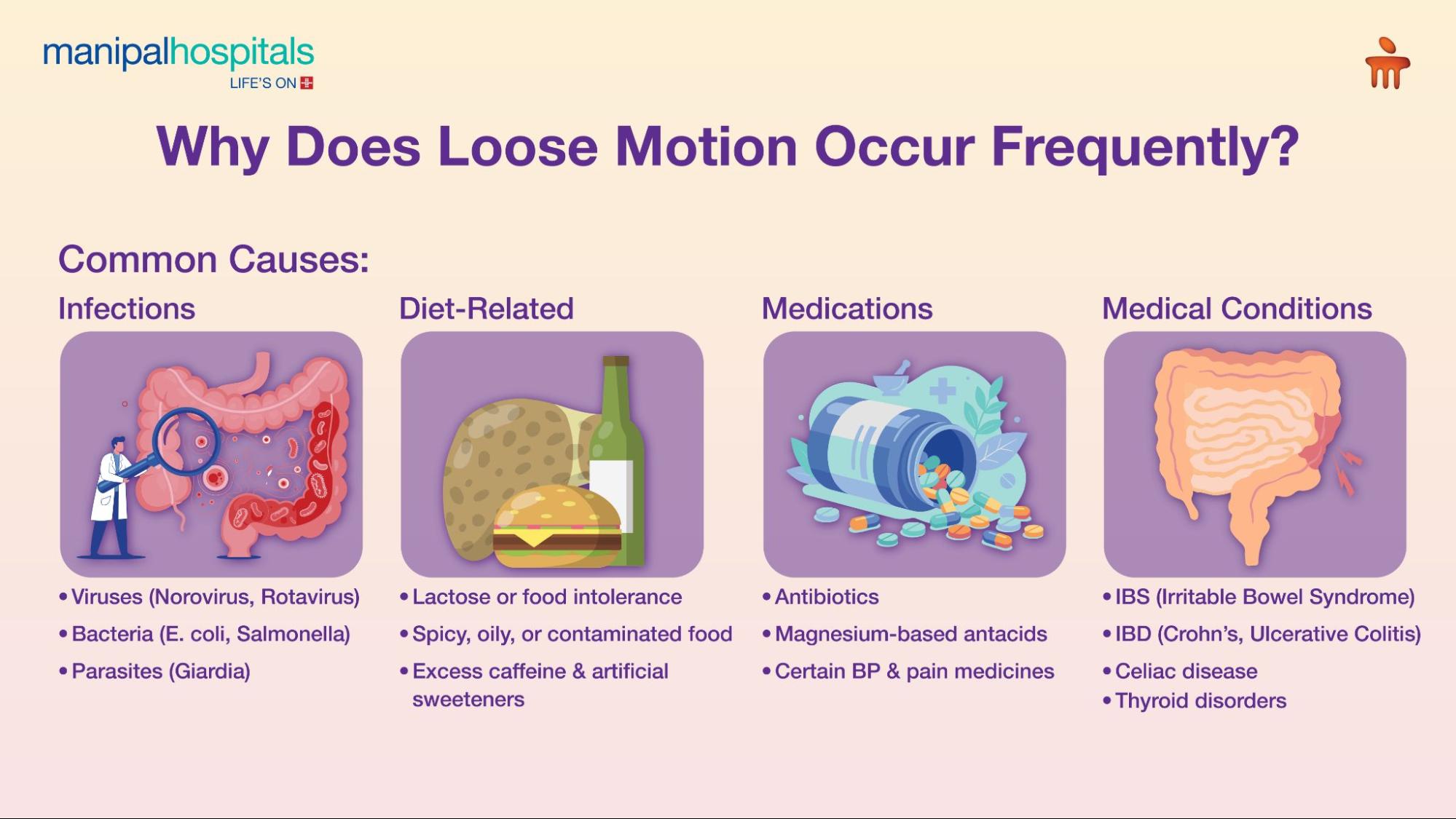
1. Infections
-
Viral infections such as norovirus or rotavirus often cause sudden-onset diarrhoea, especially in children.
-
Bacterial infections like Salmonella, E. coli, or Shigella may be acquired through contaminated food or water.
-
Parasitic infections such as Giardia can cause prolonged loose motions if untreated.
2. Dietary Factors
-
Food intolerance, particularly lactose or fructose intolerance, can trigger frequent loose stools.
-
Food poisoning due to spoiled or unhygienic food.
-
Excessive intake of spicy, oily, or high-fat foods, caffeine, or artificial sweeteners.
3. Medication-Related Causes
-
Antibiotics, which disturb the natural balance of gut bacteria.
-
Magnesium-containing antacids
-
Certain medications are used for blood pressure, pain relief, or cancer treatment.
4. Underlying Medical Conditions
Some chronic diarrhoea causes include:
-
Irritable Bowel Syndrome (IBS) – often linked with stress, bloating, and abdominal discomfort.
-
Inflammatory Bowel Disease (IBD), such as Crohn’s disease or ulcerative colitis.
-
Celiac disease, where gluten damages the intestine.
-
Thyroid disorders, particularly hyperthyroidism.
-
Malabsorption syndromes, leading to poor nutrient absorption.
At Manipal Hospitals Baner, advanced diagnostic facilities help identify the exact cause and guide personalised treatment.
Loose Motions Symptoms You Should Not Ignore
While mild diarrhoea usually improves with home care, certain symptoms require immediate medical attention:
-
Signs of dehydration – dry mouth, reduced urination, dizziness, or extreme thirst
-
High fever (above 102°F or 39°C)
-
Severe or persistent abdominal pain
-
Blood or mucus in stools
-
Loose motions lasting more than 2 days in adults
-
Unexplained weight loss or weakness
-
Continuous vomiting prevents fluid intake
Early medical intervention significantly improves outcomes, especially in chronic conditions where over 80% of patients respond well when treated early.
Effective Loose Stools Treatment at Manipal Hospitals, Baner
Loose stools treatment depends on the underlying cause, severity, and overall health of the patient. At Manipal Hospital Baner, Pune, care focuses on both symptom relief and root-cause management.
1. Hydration and Electrolyte Balance
Maintaining hydration is crucial. Oral Rehydration Solutions (ORS) help replace lost fluids and electrolytes and are highly effective in most acute cases.
2. Dietary Modifications
-
BRAT diet (bananas, rice, applesauce, toast) during recovery
-
Avoid spicy, oily, sugary foods, dairy (if intolerant), caffeine, and alcohol
-
Gradual reintroduction of normal foods as symptoms improve
3. Probiotics
Probiotics help restore healthy gut bacteria, especially after antibiotic-related diarrhoea.
4. Medical Evaluation and Treatment
-
Stool tests and blood investigations
-
Endoscopy or colonoscopy, if required
-
Targeted medications such as antibiotics, anti-parasitic drugs, or condition-specific therapy for IBS, IBD, or celiac disease
Do’s and Don’ts for Managing Frequent Loose Motions
Do’s
-
Drink plenty of fluids and ORS
-
Eat light, bland, and easily digestible foods
-
Maintain hand hygiene
-
Get adequate rest
-
Consult a doctor if symptoms persist
Don’ts
-
Ignore warning signs like blood in stool or dehydration
-
Overuse of over-the-counter anti-diarrhoeal medicines
-
Consume trigger foods during recovery
-
Delay medical consultation if symptoms worsen
Conclusion
Expert Care for Digestive Health at Manipal Hospital Baner, Pune
Frequent loose motions are uncomfortable, but they are highly manageable with the right medical guidance. At Manipal Hospitals, our experienced gastroenterologists in Baner, Pune, offer comprehensive diagnosis, evidence-based treatment, and compassionate care to help you recover safely and confidently.
Book an appointment today and take the first step towards better digestive health.
Disclaimer: This content is for informational purposes only and should not be considered medical advice. Please consult a qualified healthcare professional for diagnosis and treatment.
FAQ's
Most acute cases resolve within 1–2 days. Persistent symptoms need medical evaluation.
Yes, stress can affect gut function and worsen conditions like IBS.
If symptoms last more than two days, or are accompanied by fever, blood in stool, dehydration, or weakness.
No. They can also be caused by food intolerance, medications, or chronic digestive conditions.
Yes, probiotics may help restore gut balance, especially after antibiotics.
Share this article on: