5 Min Read
A cancer diagnosis changes life overnight. Along with emotional stress and medical decisions, many patients face a very practical yet distressing challenge: loss of appetite in cancer patients. Food may suddenly seem unappealing, taste different, or cause nausea.
At Manipal Hospitals Baner, our oncology team understands that nutrition is not just supportive care; it is an essential part of treatment and recovery. With the right diet during cancer treatment, nearly 80% of patients can improve their appetite, maintain their weight, and tolerate therapies better.
This guide explains the importance of nutrition for cancer patients, the best foods to include, and practical strategies to overcome appetite loss.
Synopsis
- Why Nutrition Matters During Cancer Treatment
- Understanding Loss of Appetite in Cancer Patients
- Best Foods for Cancer Patients: What to Include in Your Diet
- What to Eat During Chemotherapy
- Practical Strategies to Manage Appetite Loss
- Do’s and Don’ts During Cancer Treatment
- When to Seek Medical Help
- The Role of Personalised Nutrition Care
- Conclusion
Why Nutrition Matters During Cancer Treatment
Proper nutrition for cancer patients plays a powerful role in healing. Cancer and its treatments, chemotherapy, radiation, immunotherapy, or surgery, increase the body’s nutritional demands. Without adequate intake, patients may experience weight loss, weakness, poor immunity, and treatment delays.
Good nutrition helps to:
-
Maintain muscle mass and body strength
-
Improve tolerance to chemotherapy and radiation
-
Support immune function and reduce infections
-
Promote wound healing after surgery
-
Reduce fatigue and weakness
-
Improve overall quality of life
Studies show that patients who maintain nutritional balance during treatment often experience fewer complications and better recovery outcomes.
Understanding Loss of Appetite in Cancer Patients
Loss of appetite (also called cancer-related anorexia) is one of the most common side effects during treatment.
It may be caused by:
-
Chemotherapy-induced nausea and vomiting
-
Taste and smell changes
-
Mouth sores or dry mouth
-
Pain or difficulty swallowing
-
Fatigue
-
Emotional stress or depression
-
The cancer itself alters metabolism
Many patients describe food tasting metallic, overly sweet, or completely bland. Some feel full after just a few bites. This makes managing loss of appetite in cancer patients both physically and emotionally challenging.
Best Foods for Cancer Patients: What to Include in Your Diet
When appetite is reduced, every bite matters. The goal is to choose nutrient-dense, high-calorie, high-protein foods that are easy to digest.
1. Protein-Rich Foods (Essential for Healing)
Protein supports tissue repair and muscle preservation.
Good options include:
-
Scrambled or soft-boiled eggs
-
Grilled or baked fish
-
Soft chicken
-
Paneer and tofu
-
Greek yogurt or curd
-
Well-cooked lentils and dals
-
Nut butters
-
Protein-enriched smoothies (under dietitian guidance)
If chewing is difficult, choose soft textures or blended options.
2. Energy-Boosting Carbohydrates
Carbohydrates provide the body’s primary energy source.
Choose:
-
Soft rice or khichdi
-
Well-cooked pasta
-
Mashed potatoes
-
Oats or porridge
-
Soft breads or toast
-
Bananas and stewed fruits
These are gentle on the stomach and easier to digest.
3. Healthy Fats for Extra Calories
When appetite is low, healthy fats help increase calorie intake without increasing portion size.
Add:
-
Ghee or olive oil in meals
-
Avocado
-
Coconut milk
-
Nut butters
-
Full-fat dairy
A small addition of healthy fats can significantly boost calorie intake.
4. Gentle Fruits and Vegetables
Vitamins and antioxidants support immunity and healing.
Better tolerated options include:
-
Steamed carrots and beans
-
Pumpkin and squash
-
Spinach (well-cooked)
-
Fruit purees
-
Smoothies
-
Vegetable soups
Avoid raw vegetables if digestion is sensitive.
5. Hydration is Critical
Dehydration worsens fatigue and nausea.
Drink:
-
Water
-
Coconut water
-
Clear soups
-
Herbal teas (ginger or peppermint)
-
Diluted fruit juices
Sip fluids between meals rather than during meals to avoid early fullness.
What to Eat During Chemotherapy
Many patients ask, “What to eat during chemotherapy?”
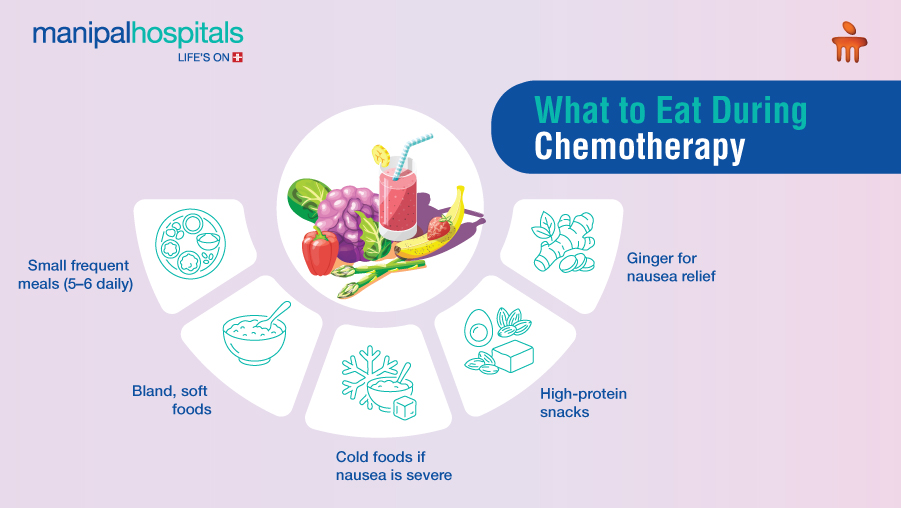
During chemo:
-
Eat small, frequent meals
-
Avoid strong smells
-
Prefer bland, soft foods
-
Try cold or room-temperature foods if nausea is severe
-
Include protein in every meal
-
Use ginger to reduce nausea
Your diet during cancer treatment may vary depending on your specific therapy. That is why personalised nutrition planning is essential.
Practical Strategies to Manage Appetite Loss
Managing loss of appetite in cancer patients requires both dietary and behavioural adjustments.
Eat Small, Frequent Meals
Instead of 3 large meals, aim for 5–6 small meals daily.
Make Every Bite Count
Add cheese, cream, oil, or nut powders to increase calories.
Improve Taste Changes
-
Use plastic cutlery if the food tastes metallic
-
Add lemon or herbs (if tolerated)
-
Rinse mouth before meals
Create a Pleasant Eating Environment
Soft music, family support, and relaxed surroundings can improve intake.
Eat When You Feel Best
Many patients feel hungrier in the morning make breakfast your main meal if possible.
Prioritise Oral Care
Mouth rinses and good hygiene can improve taste perception.
At Manipal Hospitals Baner, our oncology dietitians design personalised meal plans tailored to treatment type and side effects.
Do’s and Don’ts During Cancer Treatment
Do:
-
Consult an oncology dietitian
-
Maintain hydration
-
Keep healthy snacks nearby
-
Track weight weekly
-
Practice safe food hygiene
Don’t:
-
Force large meals
-
Ignore rapid weight loss
-
Consume raw or unpasteurised foods if immunity is low
-
Rely only on supplements without medical advice
When to Seek Medical Help
Consult your doctor if you experience:
-
Severe weight loss
-
Inability to eat for more than 24 hours
-
Persistent vomiting
-
Difficulty swallowing
-
Extreme weakness
Early nutritional intervention prevents complications and supports smoother treatment cycles.
The Role of Personalised Nutrition Care
Every cancer patient is different. The type of cancer, stage, treatment plan, and side effects determine dietary needs.
At Manipal Hospital, our multidisciplinary team of oncologists in Baner, Pune, along with dietitians and nursing staff, works together to provide comprehensive cancer care.
With structured dietary planning, up to 80% of patients can improve appetite control and maintain healthier body weight during therapy.
Nutrition is not optional it is foundational to recovery.
Managing loss of appetite in cancer patients is one of the most important aspects of treatment support. Choosing the best foods for cancer patients, eating small, frequent meals, and seeking expert nutritional guidance can dramatically improve recovery outcomes.
Conclusion
If you or your loved one is undergoing cancer treatment and struggling with appetite loss, consult the oncology experts at Manipal Hospitals Baner for personalised care and evidence-based nutritional guidance.
Disclaimer: This article is for informational purposes only and does not replace professional medical advice. Please consult your healthcare provider for personalised recommendations.
FAQ's
Yes. Appetite often improves once treatment side effects reduce. Proper nutritional support can speed recovery.
Supplements may help, but whole foods are preferred. Always consult a dietitian before starting any supplement.
Yes, but significant weight loss should be addressed early to prevent weakness and treatment delays.
If tolerated, mild spices are fine. However, avoid overly spicy or acidic foods if you have mouth sores or gastritis.
There is no single miracle diet. Balanced, high-protein, nutrient-rich meals tailored to your needs are most effective.
Share this article on: