5 Min Read
Participating in sports and physical activities offers immense health benefits, but it also comes with the risk of injuries. Common sports injuries, ranging from sprains and strains to more complex conditions, can sideline you and disrupt your active lifestyle. This blog will guide you through effective strategies for sports injury prevention, prompt sports injury treatment, and successful sports injury recovery, ensuring you can continue to enjoy the activities you love without constantly worrying about common sports injuries.
Synopsis
Proactive prevention: Staying ahead of injuries
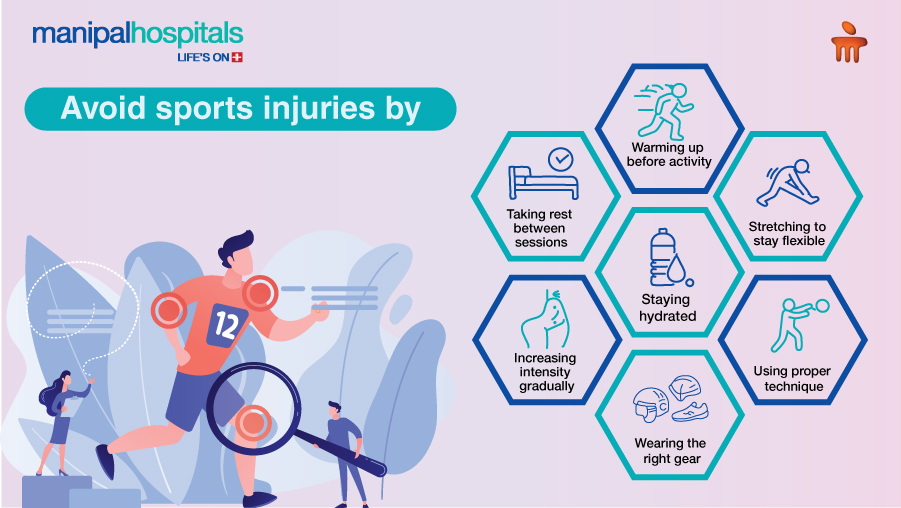
Preventing common sports injuries is often easier than treating them. With the right approach, you can significantly reduce your risk of injuries. Did you know that proper sports injury prevention strategies can reduce the incidence of certain sports injuries by up to 50% in athletes? Here's how you can safeguard yourself:
-
Warm-up and cool down properly- Begin every exercise session with 5-10 minutes of light warm-up activity and stretches to prepare your muscles. Conclude with stretches to improve flexibility and aid recovery.
-
Master proper technique- Incorrect form or posture is a leading cause of injury. Seek guidance from experts to ensure you are performing movements correctly. This is crucial for avoiding repetitive stress injuries.
-
Wear appropriate gear- Invest in high-quality, sport-specific footwear and protective equipment. Ill-fitting shoes or worn-out gear can increase your risk of falls and impact injuries.
-
Listen to your body- Pushing through pain is never advisable. Fatigue can compromise your form and reaction time, making you more susceptible to injury. Rest when needed and gradually increase intensity and duration of workouts.
-
Cross-training- Incorporate different exercises into your routine, targeting different muscle groups to build strength and reduce overuse of specific areas. This contributes to overall sports injury prevention.
Prompt treatment: Addressing injuries effectively
Common sports injuries can sometimes occur despite the best prevention efforts. Prompt and appropriate sports injury treatment is crucial for a quick and complete recovery. For minor injuries, initial self-care steps can make a big difference:
-
R.I.C.E. protocol- For acute sprains and strains, follow the R.I.C.E. strategy-Rest, Ice, Compression, and Elevation. This helps reduce swelling and pain in the immediate aftermath of an injury.
-
Seek professional help- If the pain persists, worsens, or limits movement significantly, it is important to consult a medical professional for an accurate diagnosis of the injury and the most effective sports injury treatment plan, whether it involves medication, bracing, or other interventions.
Comprehensive recovery: Getting back in the game
Successful recovery from sports injury is a journey that often extends beyond initial treatment. Rehabilitation plays a critical role in restoring strength, flexibility, and function. Studies show that patients who diligently follow a prescribed rehabilitation program achieve a full return to sport significantly faster, with success rates often exceeding 90%.
-
Physiotherapy for sports injuries- This is a cornerstone of recovery. Personalised rehabilitation programs designed specifically to focus on restoring range of motion, building strength, improving balance, and enhancing proprioception (the body's sense of position). They guide you through targeted exercises and techniques to ensure a safe return to your sport and optimise sports injury recovery.
-
Gradual return to activity- Do not rush back into intense activity. Follow your healthcare provider's and physiotherapist's instructions for a phased return to training. This prevents re-injury and allows your body to adapt progressively.
-
Nutrition and hydration- Support your body's healing process with a balanced diet rich in protein for tissue repair, and essential vitamins and minerals. Stay well-hydrated to optimise recovery.
-
Mental toughness- Recovery can be frustrating. Maintain a positive outlook, stay committed to your rehabilitation, and celebrate small victories along the way.
Care guidelines
|
Dos |
Don’ts |
|
|
|
|
|
|
|
|
|
|
|
|
|
|
|
Conclusion
Don’t let a sports injury keep you on the sidelines. With timely intervention, expert care, and structured rehabilitation, you can return to your active lifestyle safely and confidently. At Manipal Hospitals, our team of expert orthopaedic specialists, along with experienced physiotherapists, work together to deliver personalised treatment plans tailored to your needs. From accurate diagnosis to advanced treatment and guided recovery, we support you at every step of your healing journey. Book your appointment with Manipal Hospitals Siliguri today and take the first step towards regaining your strength, mobility, and peak performance.
FAQ's
Common sports injuries range from sprains affecting ligaments and strains involving muscles or tendons to knee injuries such as ACL tears. Athletes may also experience shin splints, stress fractures, and concussions, depending on the sport and intensity.
It depends on the injury. Sometimes, modified or low-impact exercises can be beneficial for maintaining fitness. However, it's crucial to consult a healthcare professional or physiotherapist to determine safe activity levels and avoid aggravating the injury.
Physiotherapy for sports injuries is essential for restoring strength, flexibility, balance, and coordination. Physiotherapists use a range of techniques, including therapeutic exercises, manual therapy, and modalities, to facilitate healing and a safe return to sport.
You should see a doctor if you experience severe pain, swelling, numbness, inability to bear weight, visible deformity, or if symptoms do not improve with initial self-care (R.I.C.E.) within a day or two.
While many sports injuries are preventable through proper warm-up, technique, conditioning, and equipment, some are unavoidable due to the nature of sports. However, consistent prevention strategies can significantly lower your overall risk.
Share this article on: