

Ulcerative Colitis
Ulcerative Colitis
At Manipal Hospital in Salem, expert care for ulcerative colitis treatment in Salem addresses this chronic inflammatory bowel disease impacting the colon and rectum. The condition causes inflammation and ulceration of the inner lining, leading to symptoms such as abdominal pain, diarrhoea with blood, and rectal bleeding. Our multidisciplinary team delivers personalised therapies to control inflammation, improve quality of life, and reduce risks of complications.
Our Locations
-
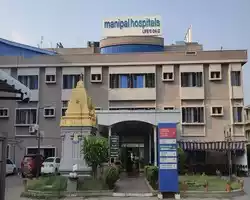
Salem
Didn’t find what you were looking for?
Get in touch with our representatives for help!
Request a CallbackSymptoms of Ulcerative Colitis
Patients seeking ulcerative colitis treatment in Salem often report persistent diarrhoea, abdominal cramping, rectal bleeding, urgency, fatigue, and weight loss. Extra-intestinal symptoms such as joint pain and skin inflammation may also occur.
How We Diagnose Ulcerative Colitis
Diagnosis at Manipal Hospital in Salem involves a thorough clinical history and physical examination, blood tests checking inflammation markers, stool analyses, and a colonoscopy with biopsies. Imaging and endoscopic evaluations assess the extent and severity, enabling expert guidance for inflammatory bowel disease treatment in Salem.
Treatment Options
Our approach combines medication such as aminosalicylates, corticosteroids, immunosuppressants, and biologics with dietary modifications and monitored care. In severe or refractory cases, surgery is considered to ensure optimal patient outcomes.
What to Expect
Engaging with ulcerative colitis treatment in Salem at Manipal Hospital means embarking on a carefully managed care pathway focused on symptom control and long-term wellness. The journey prioritises patient comfort and active involvement throughout management.
-
Initial Consultation - Detailed discussions explore symptoms, disease history, lifestyle, and goals to personalise care strategies.
-
Diagnostic Tests - Blood tests for inflammation, stool studies, colonoscopy, and imaging provide a comprehensive assessment of disease status and complications.
-
Therapeutic Plan - Therapy medications are prescribed as appropriate doses and types to alleviate the symptoms related to inflammation and to improve the inflammation; dietary and lifestyle changes help facilitate the effectiveness of the prescribed medications.
-
Follow-Up and Adjustments - Ongoing, regular follow-up will help ensure the patient is responding to treatment as appropriate and, if necessary, is flexible to modify the therapeutic approach.
-
Lifestyle Guidance - Counselling for nutrition, stress management, and symptom journaling as an aid in empowering the patient's management of many daily aspects.
-
Progress and Recovery - With compliance, many patients can expect not only extended remission and fewer flare-ups, but also an overall improvement in their quality of life while receiving ongoing care from the expert team at Manipal Hospital.
Manipal Hospital, Salem, is dedicated to providing a confidential and compassionate experience with care for inflammatory bowel disease while assisting patients in living a healthier and fuller life.
Consult our Experts
FAQs
-
What are the most common symptoms of ulcerative colitis?
Common symptoms include frequent diarrhoea, blood in the stool, stomach cramps, urgency, fatigue, and weight loss. Symptoms can come and go, which is why many people go through good and bad periods.
-
Is ulcerative colitis the same as regular stomach upset?
No, it is more than a temporary stomach problem. Ulcerative colitis is a long-term condition that causes inflammation in the colon. If bleeding, urgency, or pain keep returning, it should be checked properly.
-
Can food choices make symptoms worse?
Yes, some foods may irritate the gut during flare-ups, even though triggers differ from person to person. A food and symptom diary can help you notice patterns and make everyday meals easier to manage.
-
What treatment options are commonly used?
Treatment often includes medicines to reduce inflammation, ease symptoms, and prevent flare-ups. In more difficult cases, people may ask about inflammatory bowel disease treatment in Salem when they want structured care for ongoing bowel symptoms.



You’re on Our Indian Website
Visit the Global site for International patient services