

Severe Trauma
Severe Trauma
At Manipal Hospital in Salem, we offer premier trauma treatment in Salem that can provide quick and life-saving treatment for patients suffering from serious injuries. Trauma means serious injury due to an accident, fall, or violence that threatens life or function. Our trauma care management team provides a rapid assessment and stabilisation, and the overall management of care to enable recovery and improve outcomes amid urgent or complicated presentations.
Our Locations
-
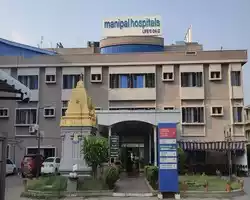
Salem
Didn’t find what you were looking for?
Get in touch with our representatives for help!
Request a CallbackSymptoms of Severe Trauma
Symptoms that should trigger seeking trauma care management in Salem include significant bleeding, fractures, unconsciousness, difficulty breathing/starving for air, and significant pain. It is important to call for medical assistance in a timely manner to access the needed treatment to prevent complications and save lives.
How We Diagnose Severe Trauma
Diagnosis at Manipal Hospital involves rapid trauma assessment protocols and imaging, such as X-rays, CT scans, and blood tests, to identify injury extent and associated complications. Quick, accurate evaluations underpin effective trauma treatment in Salem and targeted care plans for critical cases.
Treatment Options
Treatment options encompass emergency surgery, intensive care, pain management, rehabilitation, and psychological support. Manipal Hospital Salem’s integrated trauma care management ensures a coordinated approach focused on urgent recovery and long-term healing.
What to Expect
Opting for trauma treatment in Salem at Manipal Hospital initiates a structured, compassionate healing journey prioritising survival, stabilisation, and restoration across physical and emotional dimensions.
-
Initial Consultation - Immediate clinical evaluation in the emergency department to assess vital functions, injuries, and prioritise interventions.
-
Diagnostic Tests - Advanced imaging modalities like CT, MRI, X-rays, and laboratory tests offer detailed information on trauma impact and guide treatment.
-
Therapeutic Plan - Emergency surgical procedures, controlled resuscitation, and intensive care are tailored to injury specifics and patient stability.
-
Follow-up and Adjustments - Close monitoring during recovery phases, adjusting pain management and rehabilitative services to optimise healing trajectory.
-
Lifestyle Guidance - Post-trauma rehabilitation, psychological support, and lifestyle adaptations support regained independence and quality of life.
-
Progress and Recovery - Gradual restoration of function is supported by comprehensive trauma care management, helping patients reclaim everyday activities and well-being.
Manipal Hospital in Salem is dedicated to delivering rapid, expert trauma care management in Salem that combines cutting-edge technology and compassionate human touch, ensuring the best possible outcomes for severe trauma patients.
Consult our Experts
FAQs
-
What counts as severe trauma?
Severe trauma usually means major injury from a serious accident, fall, impact, or disaster. It may involve broken bones, head injury, internal bleeding, chest injury, or large wounds. These cases often need urgent care because the body can be affected in more than one area at the same time.
-
Why is fast treatment so important after severe trauma?
Quick treatment can save tissue, prevent complications, and sometimes save a life. Internal bleeding, brain injury, or breathing problems may not be obvious at first, which is why emergency assessment is essential. Fast action also improves the chance of recovery and reduces the risk of permanent disability later on.
-
What happens during trauma care?
Trauma care often begins with stabilising breathing, circulation, and pain control. Doctors then check for hidden injuries using scans and tests. Treatment may include surgery, splints, wound care, or intensive monitoring. Families often search for trauma care management in Salem when they need coordinated support after a major injury.
-
Can a person recover fully after severe trauma?
Recovery depends on the type of injuries, how quickly treatment began, and the person’s overall health. Some recover well with rehabilitation, while others may need long-term therapy or repeated procedures. Emotional recovery can also take time, especially after a frightening event or a sudden life change.
-
Why does trauma affect more than just the injury itself?
Severe trauma can affect sleep, confidence, work, movement, and family routines. The impact is often physical and emotional at the same time. A good treatment plan looks beyond the visible wound and supports the person as a whole, including recovery, mobility, and everyday independence.



You’re on Our Indian Website
Visit the Global site for International patient services