

Congenital Defects
Congenital Defects
At Manipal Hospital in Salem, specialised congenital defect surgery in Salem targets birth abnormalities as they relate to one or more parts of the body in order to repair function and appearance. Congenital defects exist at birth, range from mild to serious diseases, and can affect day-to-day life. Our qualified surgical teams provide careful corrective surgeries so children and adults can return to normal, fully functional lives, and improve the quality of life for children, adults, and their families through expert surgical care.
Our Locations
-
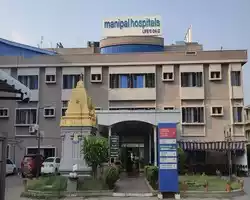
Salem
Didn’t find what you were looking for?
Get in touch with our representatives for help!
Request a CallbackSymptoms of Congenital Defects
Symptoms indicating a need for birth defect correction surgery in Salem range from obvious to other physical deformities such as cleft lip, webbed fingers, extra digits, or symptomatic problems in gross motor movement or organ system function. Corrective surgery is usually better if performed once diagnosed; therefore, diagnosis is focused on the physical nature of the concerned defect.
How We Diagnose Congenital Defects
Diagnosis at Manipal Hospital in Salem involves detailed physical examination, imaging, and sometimes genetic testing to determine the defect's nature and severity. This comprehensive approach informs precise congenital defect surgery in Salem planning.
Treatment Options
Treatment includes reconstructive and corrective surgeries tailored to individual anomalies. Multidisciplinary care with physiotherapy and counselling complements surgical intervention, enhancing recovery and function.
What to Expect
Choosing congenital defect surgery in Salem at Manipal Hospital involves a carefully coordinated process prioritising patient comfort and outcomes, guiding individuals through every treatment phase.
-
Initial Consultation - In-depth assessment of the defect, medical history, and functional challenges to shape personalised care plans.
-
Diagnostic Tests - Imaging, like X-rays, MRIs, and ultrasounds, along with genetic evaluations, confirm diagnosis and suitability for surgery.
-
Therapeutic Plan - Customised surgical procedures aimed at correcting deformities, restoring function, and enhancing appearance with advanced techniques.
-
Follow-up and Adjustments - Regular post-operative monitoring and therapy ensure healing and maximise long-term function.
-
Lifestyle Guidance - Supportive care, including physiotherapy and counselling, fosters physical recovery and emotional adaptation.
-
Progress and Recovery - With consistent care, most patients achieve improved mobility, function, and self-esteem, benefiting from the comprehensive approach at Manipal Hospital Salem.
Manipal Hospital in Salem remains dedicated to expert, compassionate care for congenital defects, ensuring every patient experiences respectful, personalised treatment and healing.
Consult our Experts
FAQs
-
What are congenital defects?
Congenital defects are conditions present at birth that affect how a body part forms or functions. They may involve the face, hands, feet, heart, or other organs. Some are very mild and may not need treatment, while others affect feeding, breathing, movement, or appearance and may need corrective surgery or long-term care.
-
Are congenital defects always visible at birth?
Not always. Some are easy to notice right away, while others become clearer as a child grows. A baby may seem healthy at birth but later show signs such as delayed development, feeding difficulty, or unusual body shape. That is why regular pediatric checkups are so important during early childhood.
-
Can congenital defects be treated?
Yes, many congenital defects can be improved with surgery, therapy, medicines, or supportive care, depending on the type and severity. Some children need only one procedure, while others need staged treatment over time. Families often look for birth defect correction surgery in Salem when a defect affects daily function or long-term development.
-
How do congenital defects affect family life?
They can bring worry, emotional stress, and many questions in the beginning. Families often need time to understand the diagnosis and next steps. With clear guidance, good medical support, and a practical treatment plan, many parents find a steady path forward and feel more confident about caring for their child.
-
Can children with congenital defects live normal lives?
Many can, especially when the condition is treated early, and follow-up care is consistent. Some children may need therapy or repeat procedures, but they still go to school, play, and grow well. The most important part is timely evaluation, so the right support begins as early as possible.



You’re on Our Indian Website
Visit the Global site for International patient services