

Cancer Resection Defects
Cancer Resection Defects
At Manipal Hospital in Salem, the surgery performed to repair and reconstruct tissue defects, once tumour removal surgeries, is called specialised cancer resection defect surgery in Salem. The defects can pose unique challenges due to the size and location of the resected tissues. The oncoplastic reconstruction techniques we use are designed to integrate oncological safety and the restoration of function and aesthetics, promoting quality of life following the treatment of cancer.
Our Locations
-
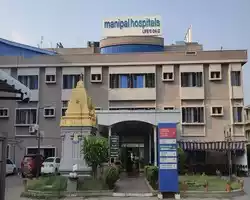
Salem
Didn’t find what you were looking for?
Get in touch with our representatives for help!
Request a CallbackSymptoms of Cancer Resection Defects
Patients requesting oncoplastic reconstruction in Salem will often come in with evidence of tissue loss, visible scarring, or functional deficits following surgery for cancer that ultimately affect both their appearance and daily activities.
How We Diagnose Cancer Resection Defects
At Manipal Hospital, we provide an evaluation of the surgical defect, and we offer an assessment of the defect both physically and with imaging if necessary. Our team provides ongoing multidisciplinary planning to provide individualised cancer resection defect surgery in Salem and reconstruction plans tailored to the individual patient.
Treatment Options
Treatment options include flap reconstruction, skin grafting, and tissue expansion techniques, focusing on restoring both function and cosmetic outcomes post-tumour resection. Manipal Hospital Salem employs innovative methods ensuring comprehensive rehabilitation.
What to Expect
Undergoing cancer resection defect surgery in Salem at Manipal Hospital entails an empathetic, precise, and patient-centred process, guiding individuals through post-operative recovery and rehabilitation phases with comprehensive support.
-
Initial Consultation - Thorough evaluation of defect extent, previous surgical details, and patient expectations to prepare customised treatment plans.
-
Diagnostic Tests - Physical examination and, when needed, imaging studies assess tissue quality and plan reconstructive options.
-
Therapeutic Plan - Surgical reconstruction tailored to defect characteristics using flap or graft techniques is designed to restore appearance and function.
-
Follow-up and Adjustments - Regular post-operative monitoring ensures healing progression and timely intervention for any complications.
-
Lifestyle Guidance - Guidance on wound care, nutrition, physiotherapy, and psychosocial support complements surgical efforts to promote holistic recovery.
-
Progress and Recovery - Patients experience gradual restoration of physical function and appearance under expert supervision, regaining confidence and improving quality of life.
Manipal Hospital in Salem specialises in advanced oncoplastic reconstruction in Salem, offering compassionate, expert care dedicated to each patient’s healing journey.
Consult our Experts
FAQs
-
What are cancer resection defects?
Cancer resection defects are the gaps or tissue loss left behind after a tumour or cancerous tissue is removed. These defects may be small or extensive, depending on the size and location of the cancer. They can affect appearance, movement, speech, swallowing, or normal body function.
-
Why do these defects need special reconstruction?
They often involve not just skin, but deeper structures like muscle, bone, or soft tissue. Simple closure is not always enough. Reconstruction helps restore the area in a way that supports healing, protects nearby organs, and improves how the body looks and functions afterwards.
-
Is every cancer resection defect treated the same way?
No, each case is different. The treatment depends on the defect’s size, depth, location, and the patient’s overall condition. Some people need a skin flap, others a graft, and some need a more detailed surgical plan. Care is tailored to the person, not just the diagnosis.
-
What is oncoplastic reconstruction?
Oncoplastic reconstruction combines cancer removal with reconstructive techniques to improve both treatment and appearance. Many people consider oncoplastic reconstruction in Salem when they want a surgical approach that helps remove the cancer safely while also restoring the body part as naturally as possible.
-
Will reconstruction delay my cancer recovery?
Not necessarily. In many cases, reconstruction is planned carefully so it fits into the overall cancer treatment schedule. The team usually balances safety, healing, and future therapy needs. A well-planned reconstruction can support recovery rather than interrupt it, especially when follow-up is closely managed.



You’re on Our Indian Website
Visit the Global site for International patient services