5 Min Read
Gastrointestinal bleeding is a serious medical condition that should never be ignored. It can range from mild to life-threatening, depending on the cause and severity. Many people often mistake it for simple digestive issues, but gastrointestinal bleeding may indicate an underlying health problem that needs immediate attention. At Bhagwan Mahavir Manipal Hospital Ranchi, early diagnosis and timely treatment play a crucial role in preventing complications.
This guide will help you understand everything about gastrointestinal bleeding, including its causes, symptoms, and available treatment options in a simple, easy-to-understand, handwritten style.
Synopsis
What is Gastrointestinal Bleeding?
Gastrointestinal bleeding refers to any bleeding that occurs in the digestive tract. This includes organs such as the oesophagus, stomach, small intestine, large intestine (colon), rectum, and anus.
It can be classified into two main types:
-
Upper gastrointestinal bleeding – Occurs in the oesophagus, stomach, or upper part of the small intestine
-
Lower gastrointestinal bleeding – Occurs in the colon, rectum, or anus
Sometimes, the bleeding is visible, such as rectal bleeding, while in other cases, it may be hidden and only detected through medical tests.
Common Causes of Gastrointestinal Bleeding
There are several causes of gastrointestinal bleeding, and identifying the root cause is essential for proper treatment.
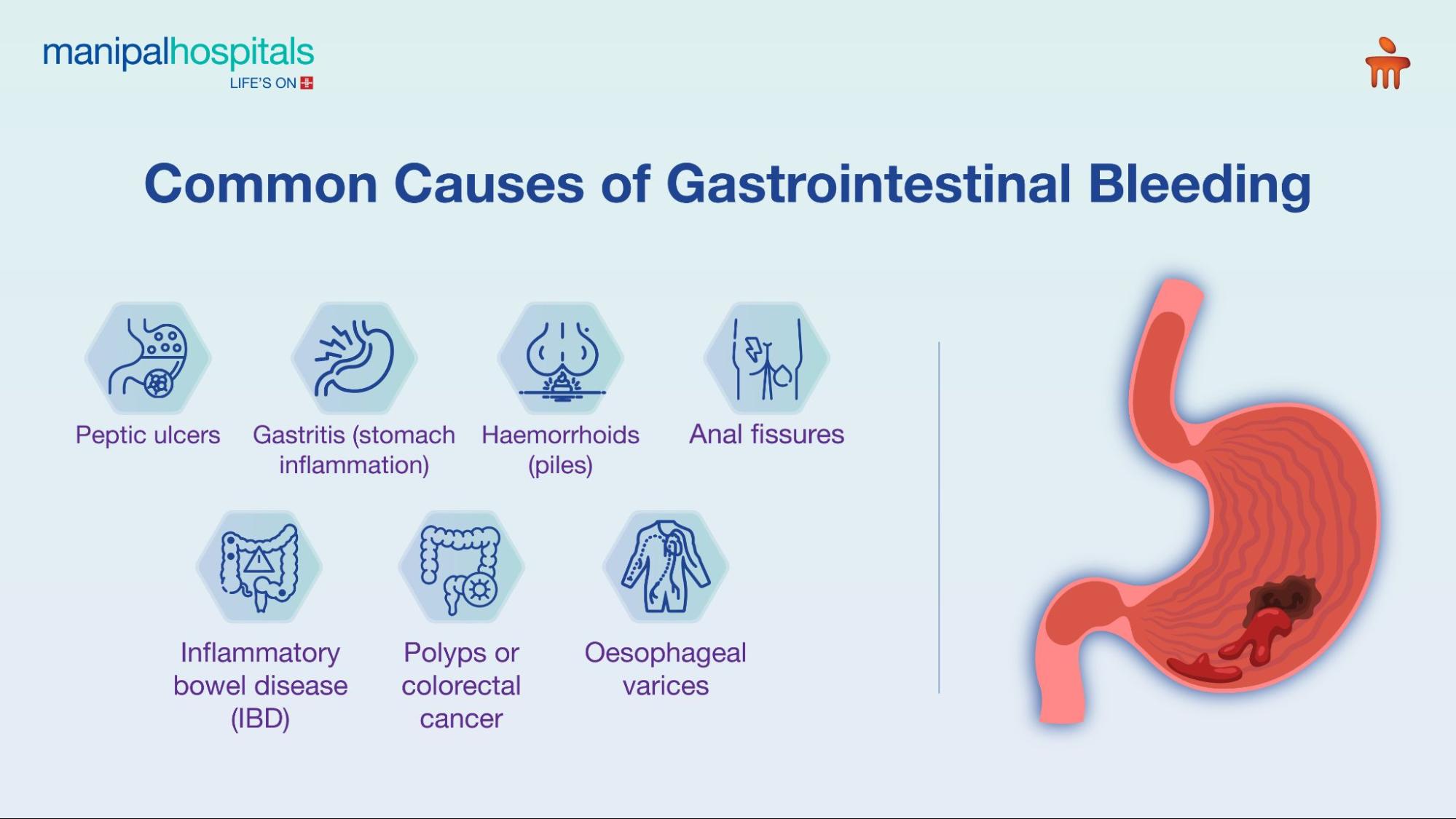
Peptic Ulcers
Peptic ulcers are one of the most common causes of bleeding. These are sores that develop in the lining of the stomach or small intestine and can lead to internal bleeding if untreated.
Gastritis
Inflammation of the stomach lining, often caused by excessive alcohol consumption, infections, or prolonged use of painkillers, can lead to bleeding.
Haemorrhoids (Piles)
Swollen veins in the rectum or anus are a common cause of rectal bleeding, especially during bowel movements.
Anal Fissures
Small tears in the lining of the anus can cause pain and bleeding during defecation.
Inflammatory Bowel Disease (IBD)
Conditions like Crohn’s disease and ulcerative colitis can lead to chronic inflammation and bleeding in the digestive tract.
Polyps or Cancer
Growths in the colon or stomach can sometimes bleed and may indicate serious conditions such as colorectal cancer.
Oesophageal Varices
Enlarged veins in the oesophagus, often due to liver disease, can rupture and cause severe bleeding.
Symptoms of Gastrointestinal Bleeding
The symptoms of gastrointestinal bleeding vary depending on the source and severity. Some common signs include:
-
Blood in stool (bright red or black, tarry stools)
-
Vomiting blood or material that looks like coffee grounds
-
Abdominal pain or cramps
-
Weakness and fatigue
-
Dizziness or fainting
-
Pale skin (due to blood loss)
In severe cases, internal bleeding can lead to shock, which is a medical emergency requiring immediate care.
You should seek immediate medical help if you experience:
-
Heavy or continuous bleeding
-
Black or tarry stools
-
Vomiting blood
-
Severe abdominal pain
-
Signs of shock (rapid heartbeat, low blood pressure)
At Bhagwan Mahavir Manipal Hospital Ranchi, emergency care teams are equipped to handle such critical conditions effectively.
Diagnosis of Gastrointestinal Bleeding
Doctors use several methods to diagnose the source of bleeding:
-
Endoscopy – A camera is used to examine the upper digestive tract
-
Colonoscopy – Helps detect bleeding in the colon or rectum
-
Blood tests – To check for anaemia and blood loss
-
Imaging tests – Such as CT scans
-
Stool tests – To detect hidden blood
Early and accurate diagnosis helps in choosing the right treatment plan.
Treatment Options for Gastrointestinal Bleeding
Treatment depends on the cause, severity, and location of the bleeding.
Medications
Doctors may prescribe medications to reduce stomach acid, treat infections, or control inflammation.
Endoscopic Treatment
During an endoscopy, doctors can stop bleeding using special tools, injections, or heat therapy.
Blood Transfusion
In cases of severe internal bleeding, blood transfusions may be required to stabilise the patient.
Surgery
If other treatments fail, surgery may be necessary to remove the source of bleeding.
Lifestyle Changes
Simple lifestyle changes can help prevent recurrence:
-
Avoid excessive alcohol
-
Limit use of painkillers
-
Maintain a healthy diet
-
Manage stress
Home Care and Prevention Tips
While medical treatment is essential, certain lifestyle habits can reduce the risk of gastrointestinal bleeding:
-
Eat a fibre-rich diet to prevent constipation
-
Stay hydrated
-
Avoid smoking and alcohol
-
Take medications only as prescribed
-
Get regular health checkups.
Why Choose Bhagwan Mahavir Manipal Hospital Ranchi?
Bhagwan Mahavir Manipal Hospital Ranchi is known for its advanced gastroenterology care, experienced specialists, and modern diagnostic facilities. The hospital ensures the following:
-
Early diagnosis and accurate treatment
-
24/7 emergency care
-
Personalised patient care
-
Advanced endoscopic procedures
Gastrointestinal bleeding is not something to ignore. Whether it presents as mild rectal bleeding or severe internal bleeding, it always requires medical evaluation. Early diagnosis and treatment can prevent serious complications and improve outcomes.
If you notice any symptoms, don’t delay seeking help. Expert care at Bhagwan Mahavir Manipal Hospital, Ranchi, can make all the difference in ensuring your digestive health remains on track.
FAQ's
Peptic ulcers are one of the most common causes, followed by haemorrhoids and gastritis.
Not always. It can be caused by minor issues like piles, but it should still be evaluated by a doctor.
Mild cases may stop, but underlying causes still need treatment to prevent recurrence.
Doctors use tests like endoscopy, colonoscopy, and blood tests to detect internal bleeding.
Yes, by maintaining a healthy lifestyle, avoiding harmful habits, and getting regular check-ups.
Share this article on: