6 Min Read
Asthma is a long-term respiratory condition that affects millions of people worldwide, including a growing number of patients in India. It is not just occasional breathlessness—it is a chronic condition that can significantly impact daily life if not managed properly. Understanding asthma symptoms, recognising triggers, and following the right asthma treatment plan can help individuals live a normal, active life.
At Bhagwan Mahavir Manipal Hospital, Ranchi, specialists emphasise early diagnosis, patient education, and long-term care strategies to effectively manage asthma.
Synopsis
What is asthma?
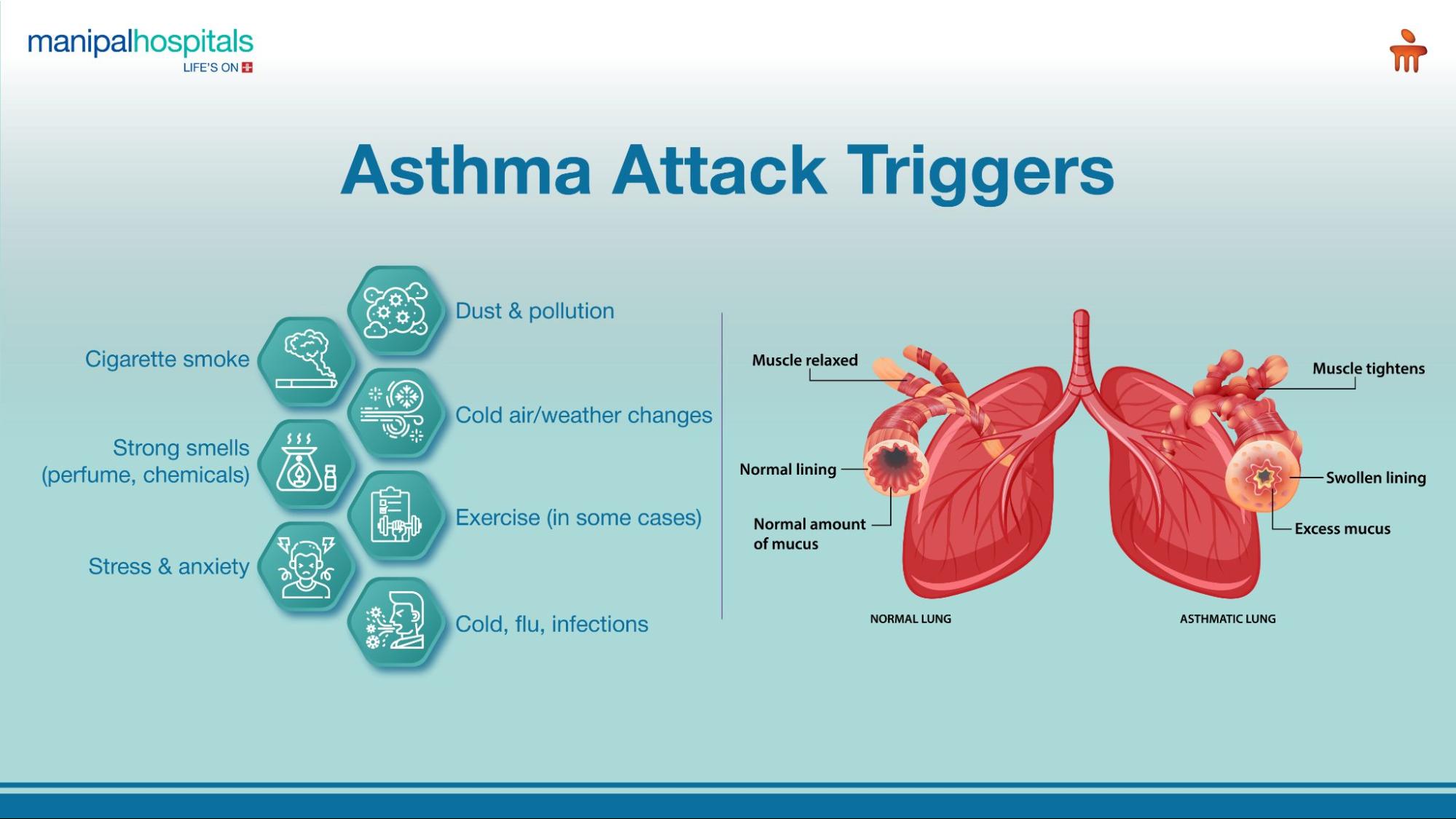
Asthma is a chronic condition where the airways (bronchial tubes) become inflamed, narrow, and produce excess mucus. This leads to difficulty in breathing. It is often referred to as bronchial asthma, and its severity can range from mild to life-threatening.
People with asthma may have sensitive airways that react strongly to certain environmental or internal triggers.
Common Asthma Symptoms
Recognising early asthma symptoms can prevent severe complications. Symptoms may vary from person to person and can come and go.
The most common signs of asthma include
-
Shortness of breath, especially during physical activity
-
Wheezing (a whistling sound while breathing)
-
Chest tightness or discomfort
-
Frequent coughing, especially at night or early morning
-
Difficulty sleeping due to breathing problems
In some cases, symptoms worsen suddenly, leading to an asthma attack, which requires immediate medical attention.
Signs of Asthma You Should Not Ignore
Sometimes, asthma symptoms are mild and overlooked. However, ignoring them can lead to complications.
Watch out for:
-
Persistent cough lasting more than a few weeks
-
Breathing difficulty after exposure to dust or smoke
-
Frequent chest infections
-
Reduced ability to perform daily activities
If you notice these signs of asthma, it is important to consult a specialist for proper evaluation.
Bronchial Asthma Causes
The exact cause of asthma is not fully understood, but several factors contribute to the development of bronchial asthma.
Key causes include:
-
Genetic factors (family history of asthma or allergies)
-
Environmental pollution
-
Respiratory infections during childhood
-
Exposure to allergens such as dust mites, pollen, or pet dander
-
Occupational exposure to chemicals or fumes
In urban areas like Ranchi, rising pollution levels and lifestyle changes have contributed to increasing asthma cases.
Common Asthma Attack Triggers
Identifying asthma attack triggers is crucial for preventing flare-ups. Each person may have different triggers.
Common triggers include:
-
Dust and air pollution
-
Smoke (including cigarette smoke)
-
Cold air or sudden weather changes
-
Pollen and seasonal allergies
-
Strong perfumes or chemicals
-
Physical exertion (exercise-induced asthma)
-
Stress and emotional factors
-
Respiratory infections like cold or flu
Avoiding these triggers is a key step in learning how to control asthma effectively.
Asthma Treatment Options
There is no permanent cure for asthma, but proper asthma treatment can control symptoms and improve quality of life.
1. Quick-Relief Medications
These are used during an asthma attack to provide immediate relief by relaxing airway muscles.
2. Long-Term Control Medications
These include inhaled corticosteroids and other medicines that reduce airway inflammation over time.
3. Inhalers and Nebulisers
These devices deliver medication directly to the lungs, making them highly effective.
4. Allergy Management
For patients with allergic asthma, antihistamines or immunotherapy may be recommended.
At Bhagwan Mahavir Manipal Hospital, Ranchi, treatment plans are customised based on the patient’s age, severity of symptoms, and lifestyle.
How to Control Asthma in Daily Life
Managing asthma is not just about medication. It requires lifestyle adjustments and awareness.
Practical tips on how to control asthma:
-
Take prescribed medications regularly
-
Use inhalers correctly (learn proper technique)
-
Avoid known triggers
-
Maintain a clean and dust-free home environment
-
Use air purifiers if necessary
-
Stay physically active but avoid overexertion
-
Manage stress through relaxation techniques like yoga
-
Get vaccinated against flu and respiratory infections
Creating an asthma action plan with your doctor can help you respond quickly during worsening symptoms.
When Does Asthma Become Serious?
Asthma can turn into a medical emergency if not controlled.
Seek immediate medical help if:
-
Severe breathlessness that does not improve with an inhaler
-
Difficulty speaking due to breathlessness
-
Bluish lips or fingernails
-
Rapid worsening of symptoms
Timely care at a trusted healthcare facility like Bhagwan Mahavir Manipal Hospital, Ranchi, can prevent life-threatening complications.
Living Well with Asthma
Asthma does not have to limit your life. Many people with asthma lead active and successful lives by managing their condition effectively.
Key lifestyle strategies:
-
Regular follow-ups with your doctor
-
Monitoring lung function
-
Maintaining a healthy diet
-
Staying hydrated
-
Avoiding smoking and second-hand smoke
With proper care, asthma can be controlled, allowing individuals to live freely without constant fear of attacks.
Why Choose Bhagwan Mahavir Manipal Hospital Ranchi?
At Bhagwan Mahavir Manipal Hospital, Ranchi, patients receive comprehensive asthma care with:
-
Personalised treatment plans
-
Emergency care support
-
Patient education for long-term management
The hospital focuses on holistic care to ensure patients not only treat asthma but also understand and manage it effectively.
Conclusion
Asthma is a manageable condition when diagnosed early and treated correctly. Recognising asthma symptoms, understanding bronchial asthma causes, and avoiding asthma attack triggers are essential steps toward better health.
If you or your loved one experiences symptoms, do not ignore them. Early consultation and the right asthma treatment can make a significant difference
FAQ's
Early asthma symptoms include coughing, wheezing, shortness of breath, and chest tightness, especially at night or during exercise.
Common asthma attack triggers include dust, smoke, pollen, cold air, infections, and stress.
Asthma cannot be completely cured, but with proper asthma treatment, it can be effectively controlled.
You can learn how to control asthma by avoiding triggers, maintaining a healthy lifestyle, practicing breathing exercises, and following medical advice.
You should consult a doctor if symptoms are frequent, worsening, or interfering with daily activities.
Share this article on: