




 5 Min Read
Sleep is one of the most important pillars of a child’s growth. Yet, many parents struggle every night as their children toss, turn, wake up crying, or simply refuse to sleep. While occasional disturbed sleep is normal, persistent and patterned sleep difficulties may indicate an underlying sleep disorder in children. These disorders can affect behaviour, school performance, immunity, mood, and overall development, which is why early recognition is essential.
At Manipal Hospital Baner, paediatric experts see a rising number of parents seeking support for childhood sleep issues. Understanding the causes, symptoms, and available treatments can make a significant difference in managing these concerns effectively.
Synopsis
What Are Sleep Disorders in Children?
A sleep disorder is a condition that regularly disrupts a child’s sleep quality, duration, or routine. These issues may appear in infancy and persist into adolescence if not properly addressed. The most common forms include:
-
Insomnia - trouble falling or staying asleep
-
Sleep apnoea - pauses in breathing during sleep
-
Restless legs syndrome - uncomfortable leg sensations
-
Night terrors - sudden fear episodes
-
Sleepwalking - performing activities while asleep
-
Circadian rhythm disorders - irregular sleep-wake cycles
Common Causes of Sleep Disorders in Children
Sleep problems rarely have a single cause. They often stem from a mix of physical, emotional, and environmental factors:
-
Poor Sleep Routine - Irregular bedtimes, late-night screen exposure, and inconsistent sleep habits significantly affect sleep quality.
-
Stress or Anxiety - School pressure, fears, or changes at home can make it difficult for a child to switch off mentally.
-
Medical Conditions - Asthma, allergies, reflux, and chronic pain often disrupt sleep. Children with ADHD or autism may also face sleep challenges.
-
Sleep Apnoea - Enlarged tonsils or adenoids can cause breathing interruptions during sleep, leading to fragmented rest.
-
Lifestyle Triggers - High sugar intake, lack of daytime physical activity, and overstimulation before bedtime can disrupt sleep.
Symptoms of Sleep Disorders in Children
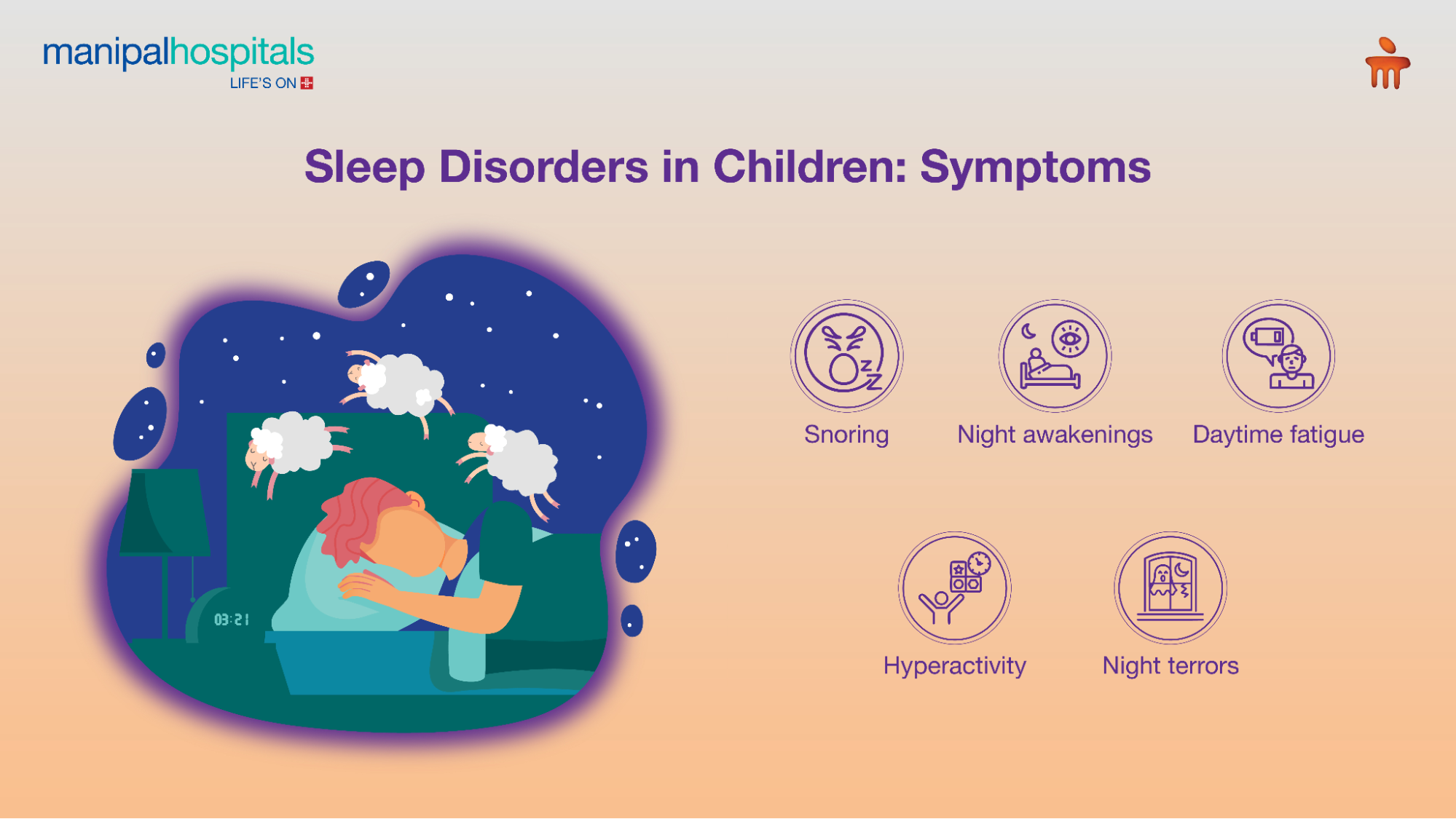
Parents often notice signs during the day rather than at night. Some red flags include:
Night-Time Symptoms
-
Difficulty falling asleep
-
Snoring or mouth breathing
-
Frequent night awakenings
-
Nightmares or night terrors
-
Restless tossing and turning
-
Sleepwalking or talking
Day-Time Symptoms
-
Morning tiredness
-
Irritability or mood changes
-
Poor concentration at school
-
Hyperactivity (often mistaken for behavioural issues)
-
Falling asleep in class or during travel
If these signs persist for more than a couple of weeks, it’s advisable to seek sleep disorder treatment from a paediatric specialist.
Effective Solutions for Managing Sleep Disorders
The good news is that most sleep disorders in children are treatable with the right approach. Here are simple yet powerful solutions:
1. Create a Sleep-Friendly Routine - A consistent bedtime helps regulate the body’s natural clock. Ensure:
-
A fixed sleep and wake-up time
-
A calming pre-bed ritual (stories, warm bath, dim lights)
-
No screens at least 1–2 hours before sleep
2. Improve the Sleep Environment - The child’s bedroom should be cool, dark, quiet, and clutter-free. Comfortable bedding also makes a difference.
3. Address Medical Issues - If allergies, reflux, or respiratory issues are causing disturbed sleep, early treatment can improve nighttime rest dramatically.
4. Manage Stress & Anxiety - Encourage open conversations, reduce academic pressure when possible, and teach simple breathing techniques.
5. Behavioural Therapy - For insomnia, behavioural therapy helps children understand and adopt healthy sleep habits.
6. Treatment for Sleep Apnoea - Depending on the severity, doctors may recommend lifestyle changes, nasal sprays, or surgical correction of enlarged tonsils/adenoids.
7. Dietary Adjustments - A light dinner, reduced sugar intake, and avoiding caffeine (soft drinks, chocolates) improve sleep quality.
When Should Parents Seek Medical Help?
Book a consultation with a paediatric specialist if your child shows:
-
Loud snoring or breathing pauses
-
Frequent nightmares or panic episodes
-
Difficulty staying awake during the day
-
Declining school performance due to tiredness
-
Behavioural issues linked to poor sleep
At Manipal Hospital Baner, paediatricians offer comprehensive evaluation, sleep assessments, and personalised treatment plans to help children regain restful sleep.
Tips for Parents to Promote Healthy Sleep Habits
-
Keep weekend sleep schedules similar to weekdays
-
Limit screen exposure before bedtime
-
Avoid over-scheduling extracurricular activities
-
Prioritise physical activity during the day
-
Teach children to self-soothe (age-appropriate techniques)
-
Model good sleep behaviour, and children observe and learn
FAQ's
Insomnia, sleep apnoea, night terrors, sleepwalking, and restless legs syndrome are the most common sleep disorders in children.
Look out for difficulty falling asleep, snoring, mouth breathing, daytime fatigue, irritability, poor concentration, or hyperactivity.
Yes, with proper diagnosis and timely sleep disorders, most children recover well.
Absolutely. Lack of sleep affects memory, mood, attention, and academic performance.
Seek medical help if your child snores loudly, wakes frequently, feels excessively tired, or shows behavioural changes linked to poor sleep.
Share this article on:


.webp "Nerve Pain: Causes, Symptoms, and Treatment Options")





