




 5 Min Read
Shoulder pain can be ridiculously frustrating. One day you’re lifting a bag or reaching for something on a high shelf, and the next day you’re nursing a throbbing shoulder wondering what went wrong. Because the shoulder is the most mobile joint in our body, it is also the most injury-prone joint so many people end up visiting orthopaedic specialists every year.
At Manipal Hospital Kharadi, orthopaedic experts see countless cases of shoulder pain — from active youngsters to working professionals and even older adults. The good news? Most shoulder injuries can be treated effectively with the right diagnosis and care.
Synopsis
Understanding Your Shoulder: Why It’s So Delicate
Think of your shoulder as a super-flexible machine with many moving parts. It’s made up of three main bones. the humerus (upper arm), scapula (shoulder blade), and clavicle (collarbone). All this work smoothly because of a crucial support system called the rotator cuff.
The rotator cuff is a group of four muscles whose job is to:
-
Keep the shoulder joint stable
-
Allow you to lift your arm
-
Help you rotate your arm comfortably
Because the shoulder has such a wide range of motion, even a small issue can cause discomfort or weakness.
The Two Big Culprits: Rotator Cuff Tears & Dislocations
Shoulder pain can come from many reasons, but rotator cuff tears and shoulder dislocations are the top troublemakers.
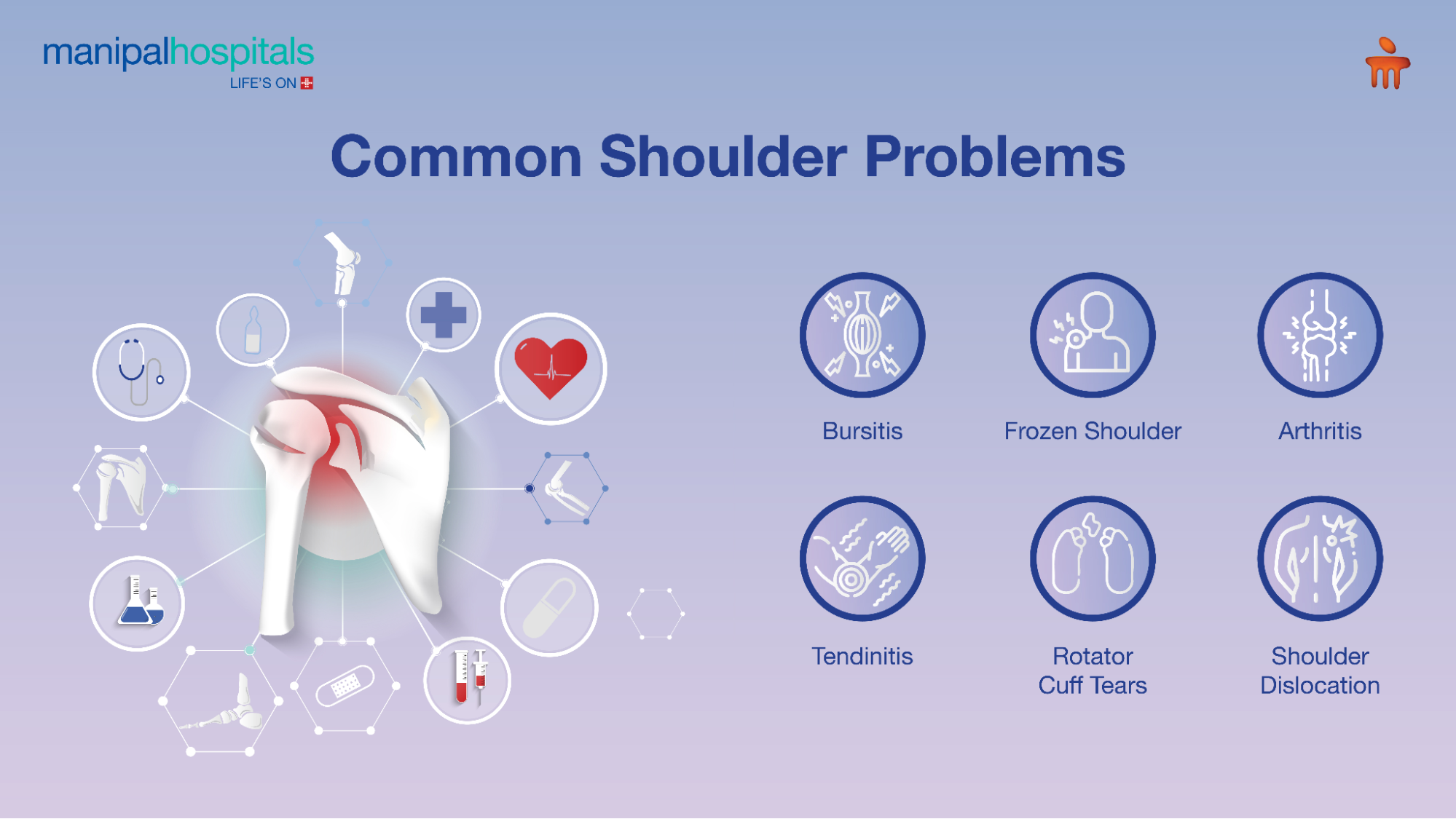
1. Rotator Cuff Tears
A tear happens when one of the rotator cuff tendons gets damaged. It can be a partial tear (a portion of the tendon is injured) or a full-thickness tear (the tendon is completely torn).
Common Causes
-
A sudden injury - falling on an outstretched arm, lifting a heavy object quickly, or a sudden jerk.
-
Repetitive overuse - athletes like tennis players, swimmers, or people with jobs involving overhead work.
-
Age-related wear & tear - the tendon weakens as we get older.
Common Symptoms
-
A deep, dull pain in the shoulder
-
Pain at night, especially when lying on the affected shoulder
-
A crackling or gritty sensation (crepitus)
2. Shoulder Dislocation
A dislocation occurs when the head of the humerus slips out of its socket. Because the shoulder socket is quite shallow, it’s the most commonly dislocated joint in the body.
Common Causes
-
High-impact sports like football, basketball, or wrestling
-
Falls or trauma
-
Accidents that jerk the arm or shoulder suddenly
Common Symptoms
-
Intense, sharp pain
-
A visible deformity or “out-of-place” look
-
Inability to move the arm
-
Swelling or numbness
A Quick Real-Life Story
Rohan, a 28-year-old IT professional, loved weekend cricket. During one match, he dove to save a boundary and landed hard on his shoulder. He felt a sharp pain instantly and couldn’t move his arm. His friends rushed him to Manipal Hospital Kharadi, where doctors quickly identified a shoulder dislocation.
They gently realigned the joint and later noticed he also had a minor rotator cuff injury. With a few weeks of physiotherapy and some lifestyle adjustments, Rohan was back to playing cricket, though now a bit wiser about diving catches!
Stories like his are super common, but they also show how early diagnosis and proper care can totally change the recovery journey.
Getting the Right Diagnosis Matters
Shoulder injuries look similar from the outside, so your doctor will usually:
1. Do a Physical Examination
They’ll check:
-
Range of motion
-
Muscle strength
-
Areas of tenderness
-
Any visible deformity
2. Recommend Imaging Tests
-
X-ray - Helpful for identifying fractures or confirming dislocations
-
MRI / Ultrasound - Provides detailed images of tendons and soft tissues (great for diagnosing rotator cuff tears)
Accurate tests ensure the right treatment is planned from the start.
Treatment Options That Actually Work
Treatment depends on the injury, age, activity level, and how long you’ve had symptoms.
Most people recover well with non-surgical treatments, but certain conditions require surgery.
Non-Surgical Treatments
These work for the majority of patients, especially for partial tears or mild instability.
-
Rest & Activity Modification - Avoid movements that trigger pain
-
Ice Packs - Helps reduce swelling
-
Anti-inflammatory Medicines - To manage pain and inflammation
-
Physical Therapy - Strengthens the muscles, improves motion, and restores shoulder stability
Studies show that over 80% of patients with non-full-thickness tears get better without surgery which is huge.
When Surgery Is Needed
If pain continues or the tear is large, surgery may be recommended.
-
Arthroscopic Surgery
A minimally invasive technique using tiny incisions and a camera.
Benefits include:
-
Less pain
-
Smaller scars
-
Faster recovery
-
Open Surgery
Used for complex or large tears.
Arthroscopic rotator cuff repair has success rates of over 90% for pain relief and functional recovery.
Recovery Tips: The Do’s & Don’ts
Do’s
-
Stick to your physio routine
-
Use ice and prescribed medications consistently
-
Ease slowly back into regular activity
-
Follow your doctor’s instructions carefully
Don’ts
-
Don’t ignore pain that’s getting worse
-
Don’t rush into lifting heavy items
-
Don’t stop physiotherapy early
-
Don’t attempt self-treatment for dislocations
Conclusion
Shoulder pain. whether due to a rotator cuff tear or a dislocation, can significantly limit your everyday movements and affect your quality of life. Early diagnosis and the right treatment approach can make a tremendous difference in recovery. With expert orthopaedic care, advanced imaging, and personalised rehabilitation plans, Manipal Hospital Kharadi ensures patients receive comprehensive and compassionate treatment.
If you’re experiencing ongoing shoulder discomfort or have recently suffered an injury, don’t wait. Reaching out early can prevent complications and help you return to a pain-free, active lifestyle faster.
FAQ's
It varies. Non-surgical recovery can take weeks to months. After surgery, it may take 4–6 months for full strength.
Yes, improve posture, strengthen shoulder muscles, warm up before exercise, and avoid repetitive overhead strain.
If you can’t move your shoulder, notice deformity, or pain lasts more than a few days, get medical help.
No. Many tears heal well with physiotherapy and conservative care.
Don’t try to fix it yourself. Immobilise your arm, apply ice, and seek emergency care immediately.
Share this article on:


.webp "Nerve Pain: Causes, Symptoms, and Treatment Options")





