7 Min Read
Cirrhosis is a long-lasting liver problem that slowly changes how the liver works. It happens when healthy liver tissue is replaced by scar tissue bit by bit. This scarring constricts regular blood flow and affects how the body clears waste and absorbs nutrients. The liver becomes weak and unable to repair itself properly.
At Manipal Hospital Old Airport Road, specialists often meet patients who are unaware they have liver damage until it becomes serious. Understanding how cirrhosis starts and what can be done about it helps in taking better care of one’s health.
Synopsis
Understanding Cirrhosis
Liver cirrhosis treatment starts with knowing what causes it. The most common reasons are drinking too much alcohol, long-term hepatitis B or C infections, and non-alcoholic fatty liver disease. Sometimes, using certain medicines for many years or being exposed to harmful chemicals can also hurt the liver.
In the beginning, the liver still manages to do its work even while small scars start to form. But as the damage grows, it becomes harder for the liver to clean the blood and remove waste. People may feel tired, lose their appetite, or notice slight swelling in their legs or feet. Later, the skin or eyes may turn yellow, a sign called jaundice.
At Manipal Hospitals Old Airport Road, doctors believe that awareness is the first step towards recovery. When liver cirrhosis treatment begins early, symptoms can be managed well and serious problems can often be prevented.
How Cirrhosis Develops
When the liver suffers damage, it tries to heal itself. But if the damage happens time and again, fibrous tissue starts to grow in place of healthy cells. Over time, this scar tissue builds up and makes it hard for the liver to work properly.
As scarring spreads, blood flow through the liver slows down. The pressure in nearby veins rises, and other organs start to feel the effect. At this stage, liver cirrhosis treatment needs more careful monitoring and regular visits to the doctor.
Even then, it is possible to manage cirrhosis through early diagnosis and simple lifestyle habits. Eating healthy food, avoiding alcohol, and having regular check-ups can help slow down the disease and protect the liver tissue that still works.
Early Signs and Diagnosis
Cirrhosis often goes unnoticed in its early stages. Many people feel fine for years. Subtle signs like tiredness or loss of appetite may seem minor. Some may notice dark urine, itchy skin, or swelling in the feet and abdomen.
To confirm cirrhosis, doctors rely on a few tests. Blood tests check how well the liver is working. Ultrasound scans and CT scans show the extent of scarring. Sometimes, a liver biopsy is done to understand the damage more clearly.
At Manipal Hospitals Old Airport Road, these tests are performed with care and precision. The team focuses on understanding each patient’s condition and designing a personalised plan for liver cirrhosis treatment. Early detection gives doctors the best chance to manage the disease and prevent it from advancing further.
Common Complications of Cirrhosis
Once cirrhosis gets worse, a number of problems can happen. These problems can impact various sections of the body and often need long-term medical care.
1. Portal Hypertension
This happens when scar tissue blocks blood flow through the liver. The pressure in the veins increases, which can lead to swollen veins in the stomach and the food pipe. If these veins rupture, it causes serious internal bleeding. Controlling this condition is a key part of liver cirrhosis treatment.
2. Ascites
Fluid may build up in the belly, causing swelling and discomfort. This condition, called ascites, can make it hard to breathe or move around comfortably. Doctors at Manipal Hospital Old Airport Road use medicines and dietary changes to help control it.
3. Variceal Bleeding
When pressure rises in the veins of the food pipe, they may burst and bleed. This can be life-threatening if not treated quickly. The doctors at Manipal Hospitals Old Airport Road handle these emergencies with skill and speed. They use endoscopic procedures to stop the bleeding quickly and make sure patients get the right care without delay.
4. Hepatic Encephalopathy
A damaged liver cannot properly remove toxins from the blood. These toxins reach the brain, causing confusion, mood swings, or even coma. Treating this condition is another important part of liver cirrhosis treatment, often involving medicines that help clear the toxins.
5. Jaundice and Weakness
When bilirubin levels rise, the skin turns yellow and energy levels drop. This is a sign that the liver is struggling. Balanced nutrition and proper rest help patients recover strength.
6. Liver Cancer
People with cirrhosis are at greater risk of liver cancer. Regular screening at the top liver transplant hospital in India helps detect changes early, giving doctors time to act. Several treatment options are now available to treat liver cancer especially when it is diagnosed in early stages.
Treatment and Management
The main goal of liver cirrhosis treatment is to control the cause and slow down further damage. Once advanced scarring appears, reversal is uncertain, but care and management can prevent the liver from worsening.
Lifestyle Changes
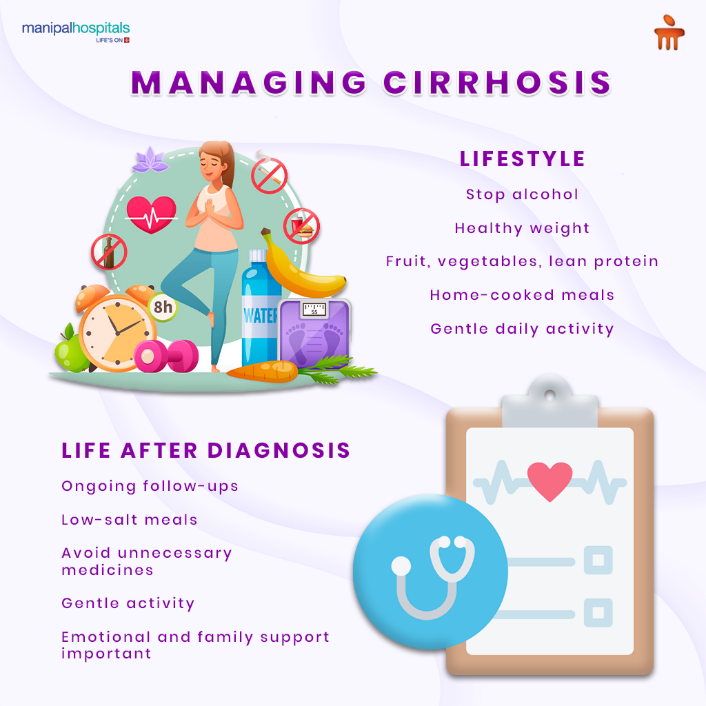
One of the most effective steps is to stop drinking alcohol completely. For those who are overweight, maintaining a healthy weight helps reduce stress on the liver. A balanced diet rich in fruits, vegetables, and lean proteins is recommended.
At Manipal Hospitals Old Airport Road, dieticians and doctors work together to guide patients through daily changes that support recovery. Exercise, even gentle activity like walking, keeps the body active and improves overall health.
Medications and Monitoring
Doctors might suggest medicines to help manage hepatitis, ease swelling, or stop infections from setting in. Regular check-ups help track how the treatment is going.
If the liver keeps getting weak even after treatment, doctors may suggest a transplant if required. When other treatments stop working, a liver transplant can offer a fresh start and bring back hope for a healthier, more active life.
Liver Transplant and Advanced Care
In advanced cirrhosis, a transplant may be the only way to survive. At Manipal Hospitals Old Airport Road, liver transplant programmes combine medical expertise with compassionate care. The hospital is recognised as one of the top liver transplant hospital in india for its skilled specialists and modern facilities.
Transplant evaluation involves several steps, including physical assessments, psychological counselling, and lab investigations. The decision to proceed is made only after detailed discussions with the patient and family.
Those who undergo transplants at the best liver transplant hospital tend to talk about how their lives and health have improved. Patients get long-term help after surgery through medications and regular check-ups.
Advanced liver cirrhosis treatment also includes managing complications before transplant becomes necessary. This includes preventing infections, reducing fluid retention, and keeping blood pressure under control.
Life After a Cirrhosis Diagnosis
A cirrhosis diagnosis changes daily life, but it does not end it. People can still live well with proper medical guidance. The focus is on maintaining liver health and preventing complications.
Doctors at Manipal Hospitals Old Airport Road help patients plan realistic routines, including balanced meals and light physical activity. Avoiding alcohol and unnecessary medicines is important.
Emotional support also plays a strong role in recovery. Family members who encourage healthy habits can make a big difference. Regular follow-ups are part of liver cirrhosis treatment and help track progress.
Many patients also receive care from the best liver transplant hospital when they need more advanced support. Coordination between centres allows for smooth transitions in treatment when required.
Preventing Cirrhosis and Its Complications
Prevention starts with small steps. Avoiding heavy drinking, maintaining a healthy weight, and getting vaccinated for hepatitis are simple but powerful measures. People with diabetes or high cholesterol should manage their conditions carefully.
Those with a family history of liver disease should go for regular screenings. Early detection allows liver cirrhosis treatment to begin before any serious damage occurs.
Routine health checks at the top liver transplant hospital in India help spot early warning signs. Doctors there guide patients on lifestyle habits and provide medical advice tailored to each case.
At Manipal Hospitals Old Airport Road, prevention is treated as part of treatment. Patients are reminded that caring for the liver is a lifelong process, not a one-time task. With regular care, many can avoid the more serious stages of cirrhosis.
FAQ's
No. Other factors include hepatitis infections, fatty liver, autoimmune liver issues, and certain medicines. Cirrhosis can also result from genetic conditions.
Yes. Cirrhosis can lead to muscle wasting. Hence, gentle exercises like walking and stretching help improve energy and reduce stress. Consult your hepatologist so that the doctor can guide you on the type of exercises which could be done.
Regular visits every few months are advised. The doctor will adjust treatment and monitor symptoms during each visit.
Yes. People with cirrhosis have a higher risk of liver cancer. Regular scans and tests help detect it early.
Family support makes recovery easier. Helping with medication, preparing healthy meals, and encouraging rest are simple yet meaningful ways to care
Share this article on:


2.png)