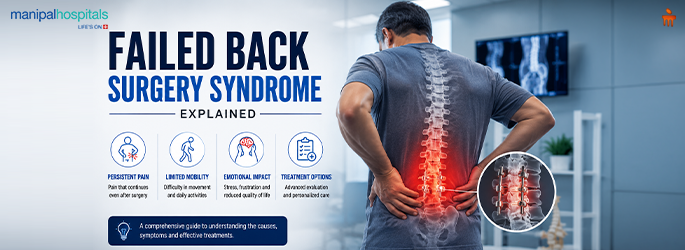
Imagine spending months preparing for back surgery, hoping it will finally end years of leg pain or back aches. You go through the operation, deal with the initial recovery, and wait for the relief to start. But weeks later, the pain is still there, or maybe it feels different, but just as bad. This is a frustrating reality for many people. When surgery does not provide the expected results, it is called failed back surgery syndrome (FBSS).
It is not always about a mistake in the operating room. The back is a complex system of moving parts, and sometimes the body reacts to surgery by forming heavy scar tissue or shifting stress to other areas. If you find yourself in this position, it is important to know that the first surgery is not the final step. This blog explains the failed back surgery symptoms you might notice and how the diagnosis of a failed back surgery syndrome helps you find a treatment that actually works.


Understanding the Anatomy of a "Failed" Procedure
To understand why pain persists, one must look at how the spine heals. The spine is a stack of bones called vertebrae, cushioned by discs and held together by a network of ligaments and muscles. Running through the centre is the spinal cord, with nerve roots branching out to every part of your body. Surgery is usually performed to "decompress" these nerves or to stabilise the bones.
However, the nervous system is incredibly sensitive. If a nerve was squeezed for a long time before the surgery, it may have suffered internal damage. Removing the pressure is like removing a heavy weight from a crushed garden hose; sometimes the nerve does not fully recover even after pressure is relieved. This is one of the primary reasons why someone might still feel pain even if the MRI shows the blockage is gone.
Furthermore, the spine is dynamic. When a surgeon operates on one level, the mechanics of the entire back change. This shift in weight distribution is a major factor in why new pains can develop shortly after an operation.
Why Does Post-Surgical Pain Happen?
When a back operation does not clear up the pain, doctors look for a few specific causes. Identifying these is the core of any failed back surgery syndrome diagnosis.
Epidural Fibrosis (Scar Tissue)
Scar tissue, or epidural fibrosis, is a natural part of healing. However, in the narrow spinal canal, excessive tissue can wrap around nerve roots and "tether" them to the bone. This scar tissue may adhere to nearby nerve roots and contribute to persistent pain during movement, common in failed back surgery syndrome.
Recurrent Disc Herniation
In many operations, only the portion of the disc pressing on the nerve is removed to preserve natural cushioning. However, that same disc can bulge or leak again in the same location months or even years later. This isn't a surgical error but a progression of the original disc disease.
Adjacent Segment Disease
Common after spinal fusion, this condition occurs when fused vertebrae stop moving, forcing the joints above and below to overcompensate. This increased stress causes rapid wear on these healthy levels, leading to new pain.
Incomplete Decompression
In some cases, a small piece of bone or ligament might still be pressing on the nerve root. The spine is a crowded space, and even a very small residual fragment can continue to irritate a nerve root.
Common Failed Back Surgery Symptoms
The signs of FBSS are usually more than just the typical soreness you feel while an incision heals. These symptoms can appear immediately after the anaesthesia wears off or develop gradually over several months.
_1.png)
|
Symptom |
Description |
Likely Cause |
|
Leg Pain |
Sharp, stabbing, or electric shocks down the leg. |
Irritated nerve or scar tissue. |
|
Numbness |
Feet losing feeling or constant "pins and needles." |
Sensory nerve interference. |
|
Weakness |
Trouble lifting your foot or legs feeling heavy. |
Pressure on motor nerves. |
|
Stiffness |
Harder to bend or twist than before surgery. |
The spine isn't moving right. |
|
Back Pain |
Constant, deep ache at the cut that rest doesn't fix. |
Local inflammation or hardware issues. |
Getting a Proper Diagnosis
To resolve the problem, the medical team needs to see exactly what changed after the first operation. A failed back surgery syndrome diagnosis involves a multi-step approach.
The Role of Contrast MRI
A standard MRI shows the structure of the spine, but after surgery, it can be challenging to tell the difference between a new disc leak and old scar tissue. Doctors use a "contrast dye" injected into the vein. Scar tissue has many tiny blood vessels and will "light up" on the scan, whereas a disc fragment will stay dark. This distinction is vital for planning treatment.
Diagnostic Nerve Blocks
Diagnostic nerve blocks can help identify the source of pain in selected patients. The doctor injects a small amount of numbing medicine directly onto a suspected nerve root. If your pain disappears for a few hours, it confirms that a specific nerve is the problem. It is like testing a circuit breaker to find which wire is shorted.
CT Myelography
For patients who have metal rods or screws in their back, an MRI can sometimes be blurry due to the metal. A CT myelogram, where dye is injected into the spinal fluid, provides an obvious picture of how the nerves are being squeezed by bone or something else.
Modern Treatment Options
The goal of failed back surgery syndrome treatment in India is usually to avoid another big, invasive operation. Specialists now focus on "interventional" pain management.
1. Specialist Physiotherapy
Standard exercise can sometimes make FBSS worse. Specialised therapy involves "nerve flossing," which is a gentle movement designed to help nerves slide through scar tissue rather than getting caught. Strengthening the deep "multifidus" muscles is also key to stabilising the spine from the inside out.
2. Epidural Adhesiolysis (Percutaneous)
This procedure is a minimally invasive way to treat scar tissue. A tiny, steerable catheter is inserted into the spinal canal under X-ray guidance. The doctor uses the catheter to physically move scar tissue away from the nerve and injects medications that are intended to reduce inflammation and help improve nerve mobility around the scar tissue.
3. Spinal Cord Stimulation (SCS)
This is a highly effective treatment for failed back surgery when other methods fail. A small device is implanted under the skin that sends mild electrical pulses to the spinal cord. These pulses act like a "noise canceller" for pain. Some patients feel a mild tingling sensation, while newer systems may work without producing noticeable sensations.
4. Radiofrequency Ablation (RFA)
If the pain is coming from the small joints of the spine (facet joints) that have become overworked after surgery, RFA can help. A heated needle is used to "turn off" the tiny pain-sensing nerves in that joint, providing relief that can last for many months.
5. Revision Surgery
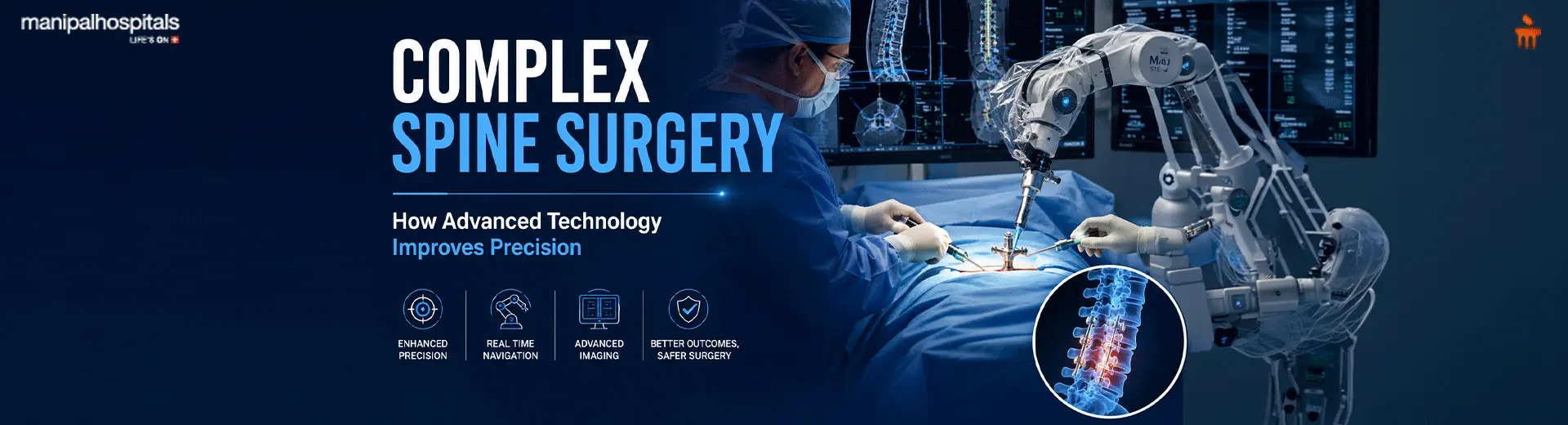
If there is a clear mechanical failure, such as a loose screw or a bone fragment that was missed, a second surgery might be needed. In India, surgeons now use robotic navigation to help improve surgical precision during revision procedures, minimising the risk of creating more scar tissue.
Psychological Impact and Support
Living with pain after you thought you were "cured" is emotionally draining. It is common for patients to feel frustrated, depressed, or anxious about their future. Chronic stress and anxiety can influence how the nervous system processes pain, sometimes increasing pain sensitivity over time. Modern failed back surgery syndrome treatment in India often includes a "biopsychosocial" approach. This means treating the physical nerve but also providing support to help the patient manage the mental stress of chronic illness, which significantly improves the overall success of the treatment.
Conclusion
Finding out your surgery did not work is a heavy burden to carry. However, failed back surgery syndrome is not a dead end. It is a sign that the body needs a different kind of help. The key is to move away from the idea that "more surgery is the only answer" and instead look for a precise failed back surgery syndrome diagnosis. With the right combination of advanced imaging, minimally invasive procedures, and specialised therapy from centres offering the best spine care in India, many people are able to improve pain control and regain daily function.