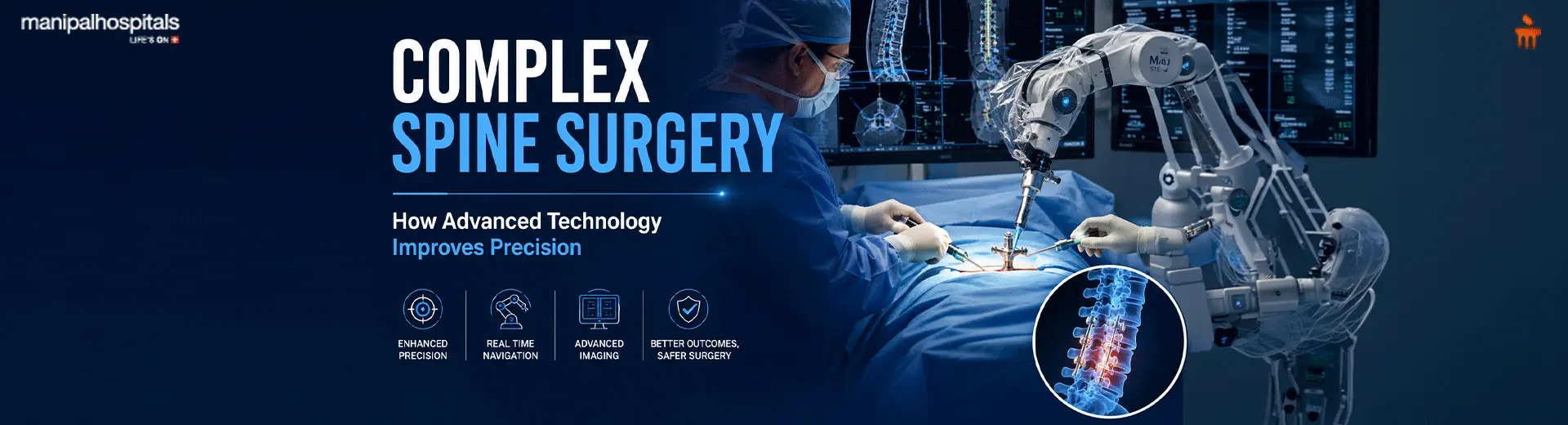
We often blame back pain on long working hours, bad posture, or simply ageing. But for many people, the problem is much more serious Conditions like severe spinal deformities, slipped discs, pinched nerves, or even a past surgery that failed can make everyday life incredibly difficult. Simple things you take for granted, like sitting comfortably or going for a walk, quickly become a massive struggle.
What people often don't realise is how much chronic spinal pain wrecks both your body and your mind. Living with constant pain keeps your stress levels high, ruins your sleep, and can even put strain on your heart. Over time, being stuck in this cycle leaves patients less active, highly anxious, and completely exhausted. Fortunately, modern spine surgery has completely changed the treatment of these complex cases. Over the last decade, technology has moved forward in leaps and bounds. Instead of relying solely on traditional methods, surgeons now use robotic guidance, 3D imaging, and tiny incisions to make procedures much more precise and safer for the patient.
This blog explains how severe spinal conditions affect your body and mind, why ignoring the pain can lead to bigger health risks, and how advanced technologies like robotic surgery are making treatments safer.
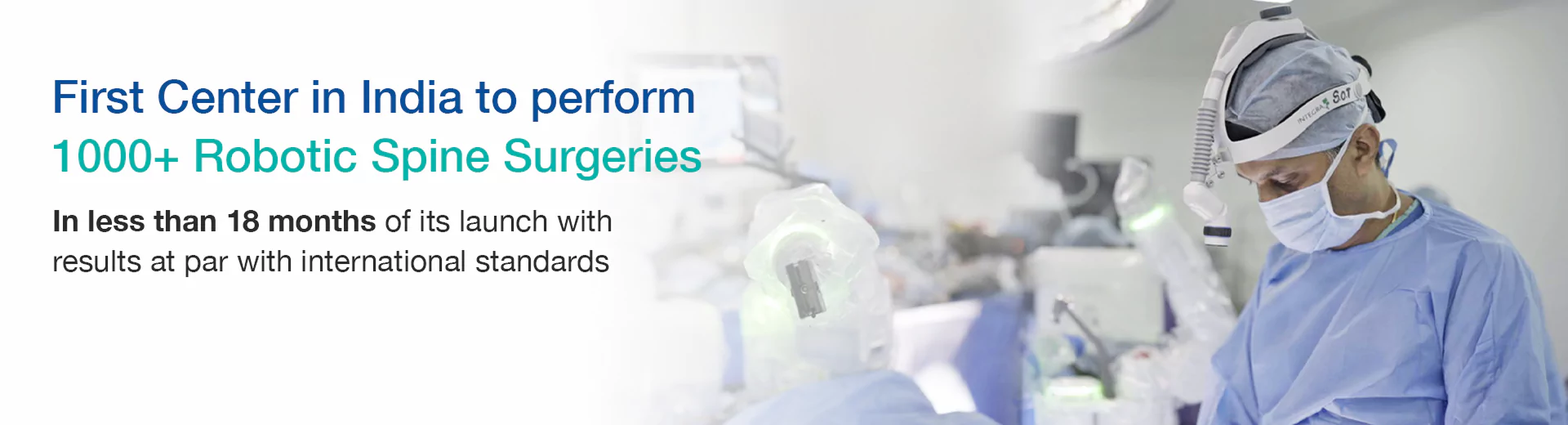

What Is Complex Spine Surgery?
A common question patients ask is, "What is complex spine surgery?" In simple terms, it refers to advanced surgical procedures used to treat difficult spinal conditions involving the bones, nerves, discs, or alignment of the spine. These are not routine back surgeries. They often involve multiple spinal levels, previous surgical failures, deformities, or severe instability.
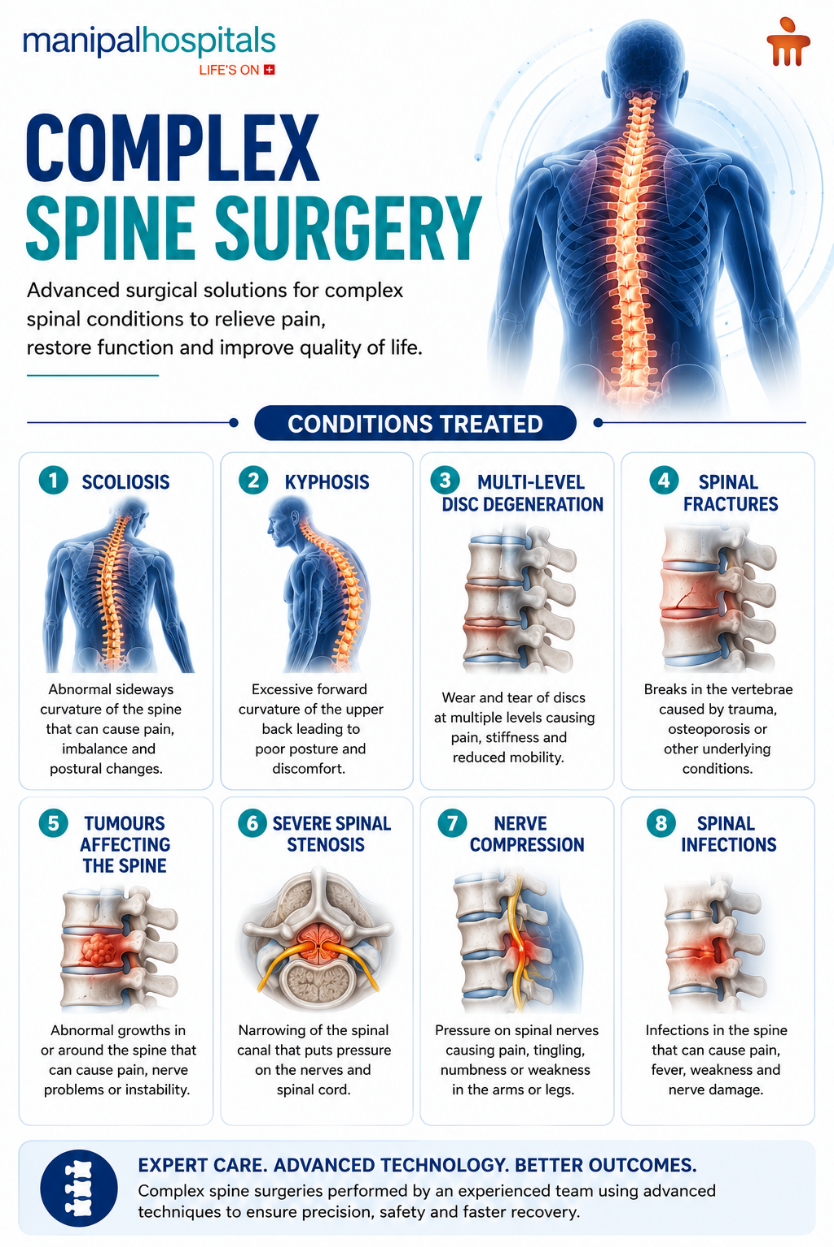
The complex spine surgery definition includes operations performed for conditions such as:
-
Scoliosis
-
Kyphosis
-
Multi-level disc degeneration
-
Spinal fractures
-
Tumours affecting the spine
-
Severe spinal stenosis
-
Nerve compression
-
Spinal infections
These types of surgeries will require good planning and surgical skills. In some cases, surgeons may need to correct spinal deformities affecting posture, balance, or movement. This type of surgery is not like other simple surgeries since it involves processes such as fusion, deformity correction, reconstruction, or stabilisation using screws.
How Chronic Spine Problems Affect Daily Life
People living with severe spinal disorders are often under constant physical stress. Pain changes behaviour gradually. A person may stop exercising, avoid social activities, or struggle with sleep for months at a time. In due course, chronicpain may contribute to poor sleep, reduced activity, stress, and fatigue, all of which can gradually affect overall well-being. Moreover, lack of movement may decrease blood flow and impair fitness.
Patients who are in need of spinal care often feel exhausted psychologically. This happens because their condition hampers their ability to feel independent and confident. It is likely that effective treatment using complex spine surgery will indirectly help address all the mentioned issues. Increased mobility and reduced pain may improve sleep and activity levels and reduce stress.
How Technology Has Changed Spine Surgery
Spinal surgery has evolved considerably in recent years. Earlier procedures depended mainly on standard imaging and the surgeon’s experience alone. While expertise still remains critical, advanced technology now provides additional layers of accuracy and safety. The following table highlights some major developments in spinal care:
|
Technology |
Purpose in Surgery |
|
Robotic-assisted systems |
Improves implant placement precision |
|
3D navigation |
Provides detailed spinal mapping during surgery without radiation |
|
Intraoperative CT imaging |
Confirms alignment before surgery ends |
|
Neuromonitoring |
Helps protect nerves during procedures |
|
Minimally invasive instruments |
Reduces tissue damage and blood loss |
These technologies are particularly useful during complex revision spine surgery, where previous operations may alter normal anatomy.
Robotic Assistance and Surgical Precision
Robotic-assisted surgery is one of the major developments in spinal surgery treatment today. Contrary to what the term implies, the robot does not execute the procedure by itself but serves as an aid for the surgeon.
The technology acts more like a highly advanced guidance system.
Before surgery begins, scans of the patient’s spine are used to create a surgical plan. While performing the surgery, the robot helps in guiding the tools to the correct positions.
In complex surgeries involving the spine, even a minor mistake may lead to spinal imbalance or nerve damage.
Patients may also benefit from:
-
Smaller incisions
-
Reduced blood loss
-
Less muscle disruption
-
Shorter hospital stays
-
Faster rehabilitation
Not every patient requires robotic surgery, but it has become increasingly valuable in complicated spinal procedures.
Minimally Invasive Spine Surgery
Larger incisions were common in traditional spinal surgeries, and healing would take a lot of time. Nevertheless, new procedures give various patients a completely different experience today.
Special tools and small incisions enable the surgeon to have access without damaging any other tissues. Minimally invasive techniques used in selected complex spine surgeries may offer benefits such as:
-
Reduced postoperative pain
-
Lower infection risk
-
Faster mobilisation
-
Shorter recovery time
-
Smaller scars
Early movement after surgery is important, especially for older adults. Remaining inactive for long periods can increase stress levels and slow physical recovery.
Patients who regain mobility earlier often feel more confident during rehabilitation.
Understanding Complex Revision Spine Surgery
Not every spinal operation is successful long-term. Some patients may continue to experience pain, instability, or nerve symptoms after earlier procedures.
Complex revision spine surgery is performed to resolve these ongoing problems.
Revision procedures are usually more difficult than first-time surgeries because the surgeon must work around:
-
Scar tissue
-
Previous implants
-
Altered spinal anatomy
-
Bone weakness
Common reasons for revision surgery include implant failure, recurrent nerve compression, spinal imbalance, or degeneration affecting nearby spinal levels.
Advanced navigation systems and robotic assistance have improved outcomes in many revision procedures because they provide better visualisation and precision during surgery.
Complex Spine Surgery in India
Interest in complex spine surgery in India has grown steadily over the last several years. Hospitals across major cities now offer advanced surgical technology along with multidisciplinary spine care teams.
Patients increasingly seek treatment for:
-
Severe deformities
-
Traumatic spinal injuries
-
Degenerative spinal disorders
-
Failed previous surgeries
Complex spine surgery in India has also become more accessible because of improvements in imaging technology, rehabilitation facilities, and minimally invasive surgical techniques.
Many treatment centres now combine surgery with physiotherapy, pain relief, and a proper recovery plan. Taking care of everything at once like this just makes it much easier for patients to recover after a major spinal operation.
Preparing for Surgery
Preparation before spinal surgery is just as important as the procedure itself.
Doctors usually assess:
-
Heart health
-
Bone quality
-
Diabetes control
-
Nutritional status
-
Existing medical conditions
Patients are often advised to improve fitness levels before surgery, where possible. Even light walking or breathing exercises may help support recovery later.
Smoking cessation is strongly encouraged because smoking reduces circulation and affects bone healing. Recovery after complex spine surgery depends on the condition treated and the type of procedure performed. Some patients recover within weeks, while others require longer rehabilitation programmes.
Physiotherapy plays a major role in rebuilding strength and restoring movement safely.
The Future of Spine Surgery
Technology continues to shape the future of spinal care. Artificial intelligence, augmented reality, and smarter navigation systems are already being explored in specialised centres.
Researchers are also developing improved implant materials and biologic therapies designed to support healing. The goal is not only to improve surgical accuracy but also to reduce recovery time and help patients return to normal life more comfortably.
As these innovations continue evolving, complex spine surgery is likely to become even more precise and patient-focused in the years ahead.
Conclusion
The modern methods used in complicated spine surgeries have come a long way from their traditional counterparts. With the help of robotic assistance, navigation tools, live imaging, and minimally invasive surgeries, the success rates in performing these kinds of surgeries could be higher. They would also result in less risk of complications and would allow quicker recovery times, thus improving the quality of life of people with such complicated spinal diseases. Those contemplating complicated spine surgeries in India should consult the best Spine professionals in India at Manipal Hospitals to help them get personalised treatment.