Living with constant back or neck pain is more than just a physical struggle; it completely changes how you live your life. You might find yourself hesitating before picking up a bag of groceries, or perhaps you have noticed that walking even a short distance causes a strange heaviness or a "pins and needles" sensation in your legs. When the space inside your spinal column begins to narrow, it puts a lot of pressure on the nerves that travel through it. This pressure is often the reason behind that tingling or the weakness that makes everyday tasks feel much harder than they used to be.
When things like physical therapy and medication no longer provide the relief you need, a specialist might talk to you about a laminectomy. It is a procedure designedto "decompress" the spine, which basically means creating more room for your nerves to breathe.
This blog walks you through the entire experience, from that first talk in the hospital to the final stages of your recovery.


What Is Laminectomy Surgery?
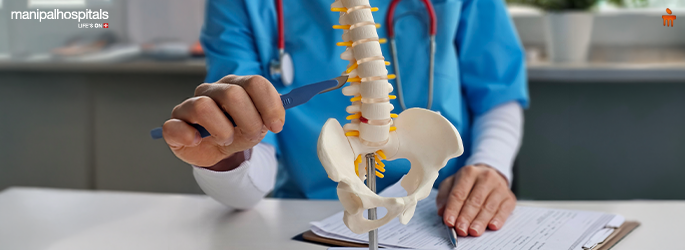
To understand the procedure, it helps to have a simple picture of how your spine is built. Your vertebrae, the bones that make up your spine, have a protective arch of bone on the back side. This arch is called the "lamina."
Over time, things like bone spurs or thickened ligaments can grow inside that canal, making the tunnel too cramped for the nerves. During a laminectomy surgery, the surgeon removes that piece of bone to open up the canal and take the pressure off the nerves. Because of this, you will often hear it called "decompression surgery." It is one of the most common types of spinal laminectomy used to treat a crowded spinal canal.
What Happens During the Surgery?
On the day of your laminectomy surgery, you will be given general anesthesia. This means you will be in a deep sleep and won’t feel anything while the work is being done. The laminectomy operation usually takes between one and three hours, depending on how much of the spine the surgeon needs to clear.
-
Reaching the Spine: The surgeon makes an incision in the middle of your back or neck, right over the vertebrae that are causing the trouble.
-
Removing the Bone: Using very precise tools, the surgeon carefully removes the lamina. They might also clear away any bone spurs or extra tissue that is taking up too much room.
-
Checking the Nerves: The surgeon makes sure the nerves are now free and have plenty of space. Sometimes, if the spine needs a bit more stability, they might do a spinal fusion at the same time as the laminectomy.
-
Closing Up: The incision is closed with stitches or staples, and a clean bandage is put in place.
By the time the laminectomy operation is done, the main goal, giving those trapped nerves some breathing room, has been achieved.
Comparing Laminectomy to Other Treatments
It’s helpful to see how a laminectomy compares to other ways doctors treat back pain. While it is a bigger step than physical therapy, it is a very direct way to fix a physical blockage.
A spinal laminectomy is often a great "middle ground" for people who have a structural blockage but don't necessarily need their spinal bones fused.
Risks and Safety to Consider
Like any surgery, laminectomy surgery has some risks, and it’s important to have an open talk with your surgeon about them so you know what to expect.

Some things you should be aware of include:
-
Infection: As with any cut, there is a small risk of infection, which is why it’s so important to keep the area clean and dry while it heals.
-
Nerve Sensitivity: Sometimes the nerves that were being squashed can be a bit sensitive or "cranky" after they are handled during the laminectomy.
-
Fluid Leaks: In rare cases, the protective sac around the nerves can get a tiny tear, but surgeons are trained to fix the problem right away during the laminectomy.
-
Blood Clots: Since you won’t be moving as much right after your surgery, the medical team will encourage you to take short walks very soon after the laminectomy operation to keep your blood flowing.
The best way to lower these risks is to follow all the instructions your doctor gives you after the laminectomy surgery.
Why Physical Therapy Matters
Physical therapy is a huge part of your success. While the surgeon has made the space for your nerves during the laminectomy, the physical therapist helps your body figure out how to move correctly in that new space.
Your rehab usually starts a few weeks after the laminectomy surgery and focuses on:
-
Core Strength: Building up the muscles that act like a natural "brace" for your spine.
-
Flexibility: Gentle stretches to make sure your back and legs don't get tight while you heal from the laminectomy.
-
Better Posture: Learning how to sit, stand, and lift so you don't put too much stress on your spine in the future.
-
Nerve Movement: Exercises that help the nerves slide smoothly through their new, open tunnel after the laminectomy.
Long-Term Health and Your New Routine
For most people, a laminectomy makes a massive difference in leg pain and weakness. While it might not make every single little backache go away, it is very good at helping people walk and stand comfortably again.
To keep the results of your laminectomy surgery lasting for a long time, try to stick to a few healthy habits:
-
Keep Walking: Walking is one of the easiest and best things you can do for a spine that has had a laminectomy.
-
Manage Your Weight: Every extra pound you carry puts more mechanical pressure on the spot where you had your laminectomy surgery.
-
Think About Ergonomics: Use a supportive chair and be careful about your posture, especially if you sit at a desk for work.
-
Pay Attention to Your Body: If you feel a bit of a flare-up, take it as a sign to rest and go back to your basic physical therapy stretches.
Conclusion
A laminectomy is a powerful tool for reclaiming your mobility and reducing the chronic pain caused by spinal pressure. If you are dealing with ongoing pain, numbness, or weakness, a clinical evaluation at Manipal Institute of Robotic Spine Surgery (MIRSS) can help you understand whether this procedure is needed and what the next steps are.