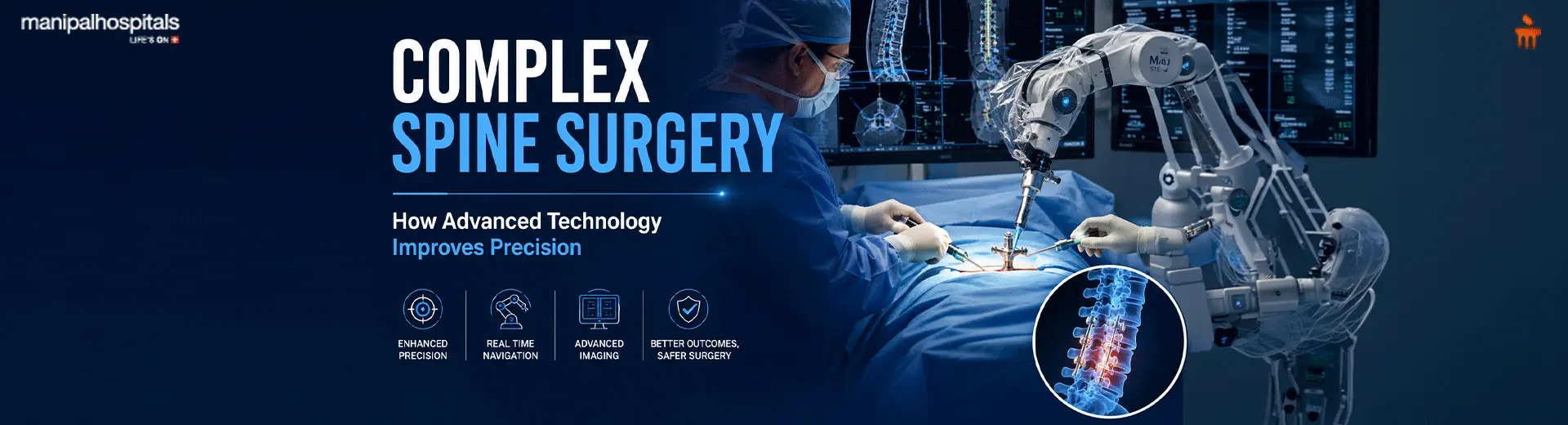
Back pain has a way of sneaking into your everyday life. It might be something you only realise after a long day at work or when you get out of bed in the morning. Things like sitting, walking, climbing stairs, or bending forward may become difficult over time, even simple things. Some people also experience tingling, numbness, or shooting pain in the arms or legs.
Physiotherapy, medicines, and lifestyle changes help many patients, but others continue to suffer with persistent nerve pain from slipped discs, spinal narrowing, or compressed nerves. In recent years, many of these conditions have been transformed by endoscopic spine surgery.
Instead of making a large cut down your back like in older, traditional surgeries, this approach uses tiny incisions just big enough for a small high-definition camera and precision tools. Operating this way means the surgeon can pinpoint and fix the problem with great accuracy, all while leaving your surrounding muscles and tissues virtually untouched.
This blog covers how spine surgery is done, who might benefit from it, what recovery looks like, and what patients can expect before and after the procedure.
What Is Endoscopic Spine Surgery
Endoscopic spine surgery is a minimally invasive surgical technique where surgeons use a small camera (endoscope) to work on the spine through tiny incisions. The camera projects a magnified, high-definition image of the spinal structures onto a monitor, allowing surgeons to operate with greater precision and without large incisions.
Compared with traditional surgery:
-
less muscle disruption
-
smaller incisions
-
shorter hospital stays in selected patients
-
quicker recovery in many cases
This technique is now being used more and more in India for spine surgery for carefully selected spinal problems.
Why Spine Conditions Cause Severe Pain
The spine is the body's main protective pillar for the delicate nerve network linking your brain to everything else. When things shift out of place, whether it is a slipped disc, an enlarged joint, or a narrowing of the spinal canal itself, the nearby nerve roots quickly get pinched or irritated.
This mechanical pressure triggers local inflammation, which significantly heightens pain signals. Because these nerves travel out into the limbs, even mild pressure on a spinal nerve root can cause symptoms far beyond the back or neck. This structural irritation is the primary reason spinal conditions frequently lead to:
-
Localised pain: Chronic discomfort felt directly in the back or neck.
-
Radiculopathy: Sharp, shooting pain that travels along the nerve pathway, such as sciatica, moving down the leg.
-
Neurological symptoms: Numbness, tingling, or physical weakness in the arms, hands, or legs.
Because the nervous system is highly sensitive, minor changes in the spinal architecture can cause debilitating discomfort that impacts daily mobility.
Conditions Commonly Treated with Endoscopic Surgery for Spine Problems
Some spinal conditions don’t need surgery, but some patients may do better with surgery when conservative treatments don’t work. Some of the common conditions treated by endoscopic surgery for spine disorders are as follows:
-
prolapsed disc (slipped disc)
-
sciatica, spinal stenosis
-
nerve entrapment
-
some degenerative disc diseases
-
certain spinal cysts
Doctors review scans meticulously before recommending spine surgery.
How Is Endoscopic Spine Surgery Actually Performed
Many patients become nervous at the very thought of a big operation on the spine. In reality, endoscopic surgery is much smaller than people think.
During the procedure:
-
A small incision is made
-
A thin camera is inserted
-
Specialised instruments reach the affected area
-
Damaged disc material or compressive tissue is removed
During the operation, the surgeon sees everything on a high-definition screen.
Benefits of Endoscopic Spine Surgery
All surgeries have limitations, but there are several significant advantages to minimally invasive spine procedures for the right patients:
|
Benefit |
Why It Helps Patients |
|
Smaller incision |
Less visible scarring |
|
Reduced muscle injury |
Faster mobility after surgery |
|
Lower blood loss |
Reduced surgical stress |
|
Shorter hospital stay |
Earlier return home |
|
Faster recovery |
Quicker return to daily activities |
|
Less post-operative pain |
Reduced dependence on pain medicines |
The benefits of spine surgery are especially helpful to working individuals who want less recovery time.
Is Endoscopic Spine Surgery Safe
While any operation carries some risk, modern medical tech and better screening mean spinal procedures are a lot safer today than most people think.
When experienced specialists perform the procedure, complications are uncommon, recovery is usually easier, and there is less tissue damage because the incisions are smaller.
But safety is about more than just the surgical method. A successful outcome really depends on the patient's general health, the surgeon's hands, and proper planning before the procedure. When these three factors align, this type of surgery becomes a highly effective choice that gets people back on their feet and into their normal routines much faster.
Early Walking After Surgery
Many minimally invasive spine procedures now enable patients to stand and walk within hours of surgery. This early movement is useful as it:
-
decrease stiffness
-
encourages circulation
-
reduces recovery complications
Who May Need Endoscopic Spine Surgery
Doctors rarely suggest surgery as the first step for back pain. They usually try simpler treatments pain, or nerve compression gets worse and causes weakness or pain that makes daily life difficult.
People who might need surgery include those with ongoing sciatic pain running down the leg, numbness in the leg from nerve pressure, severe slipped disc pain that does not get better, or diffifirst. Surgery might be considered if medications no longer help, physiotherapy does not ease the culty walking because of spinal stenosis.
Spine surgery is usually for people whose pain or nerve problems are too serious for other treatments. This gentle, minimally invasive surgery can help them move better and improve their quality of life.
Recovery After Endoscopic Spine Surgery
Today, many modern hospitals are implementing structured spine surgery program pathways to enhance safety and recovery. A typical program could include the following:
|
Recovery Stage |
Approximate Timeline |
|
Walking after surgery |
Same day or next day |
|
Returning home |
1–3 days |
|
Light activities |
2–4 weeks |
|
Office work |
2–6 weeks |
|
Full recovery |
Several weeks to months |
This systematic approach helps patients to recover with more confidence.
Are There Risks with Endoscopic Spine Surgery
All surgeries, even minimally invasive ones, carry some risk. The possible risks include:
-
Infection: Even with sterile precautions, germs can sometimes sneak in and cause trouble.
-
Bleeding: Small blood vessels may be disturbed, leading to more bleeding than expected.
-
Nerve irritation: Nearby nerves can get irritated, causing tingling or temporary discomfort.
-
Recurrent disc problems: The same disc or another one can misbehave again down the line.
-
Incomplete symptom relief: Sometimes surgery helps a lot, but not every ache or pain disappears.
But spine teams are experienced and work carefully to avoid complications.
Everyday Habits That Protect Your Spine
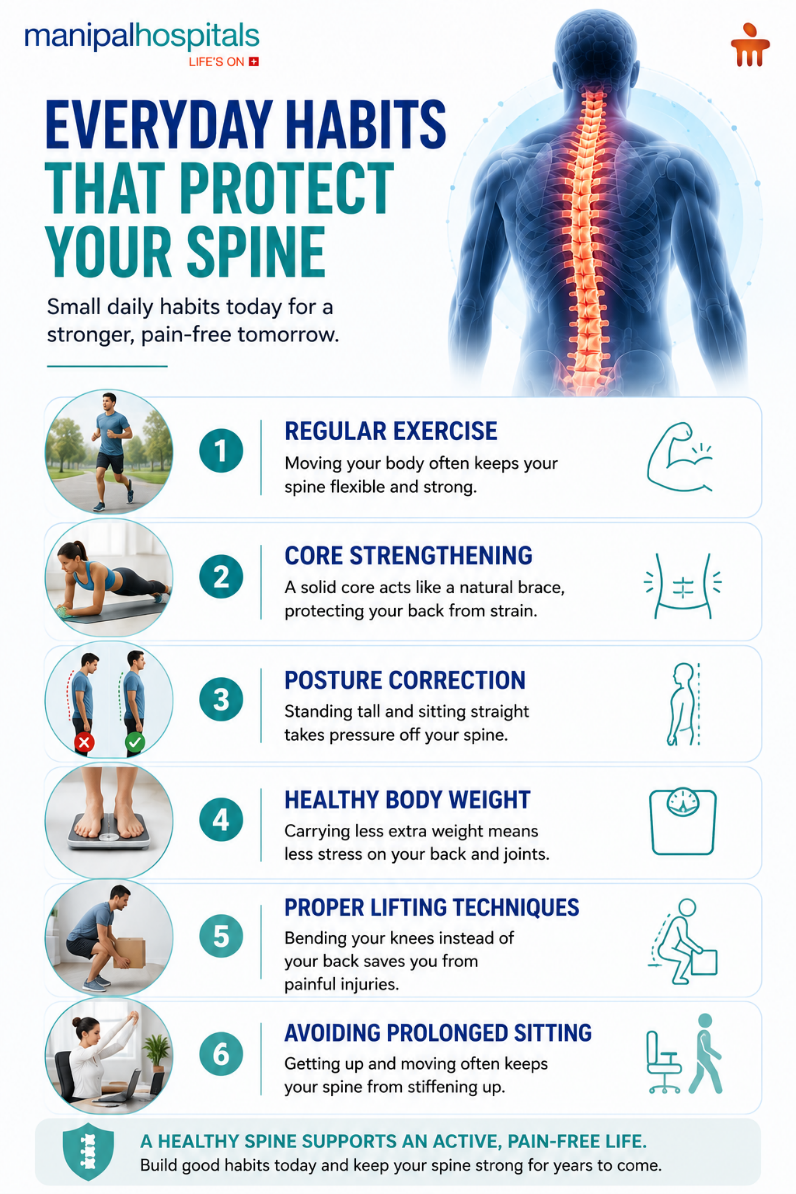
Surgery alone cannot completely protect spinal health forever. Helpful long-term habits include the following:
-
Regular exercise: Moving your body often keeps your spine flexible and strong.
-
Core strengthening: A solid core acts like a natural brace, protecting your back from strain.
-
Posture correction: Standing tall and sitting straight takes pressure off your spine.
-
Healthy body weight: Carrying less extra weight means less stress on your back and joints.
-
Proper lifting techniques: Bending your knees instead of your back saves you from painful injuries.
-
Avoiding prolonged sitting: Getting up and moving often keeps your spine from stiffening up.
Together, these everyday choices act like small investments in your spine’s future, keeping it strong, mobile, and less likely to cause trouble later on.
When Should You See a Spine Specialist
Consult a spine expert if:
-
Back pain lasts several weeks
-
Pain shoots down the legs
-
Numbness worsens
-
Walking becomes difficult
-
Weakness develops
-
Daily activities become limited
Early evaluation often prevents worsening nerve damage.
Conclusion
Chronic back or nerve pain can affect all aspects of daily living, including sleep, mobility, work, and general well-being. Knowing how this surgery works, who might be a candidate for this procedure, and what the realistic recovery process is helps patients to make informed decisions about their treatment.
At Manipal Institute of Robotic Spine Surgery, India, patients receive comprehensive spinal evaluation, advanced imaging, minimally invasive spine procedures, structured spine surgery program support, and personalised rehabilitation plans designed to improve mobility, comfort, and long-term spinal health from India's leading spine doctors.