10 Min Read
It is entirely possible to feel perfectly healthy while a kidney issue develops quietly in the background. This is exactly how IgA nephropathy usually starts. Some people first spot reddish or tea-coloured urine right after a routine throat infection, while others only find out during a standard medical check-up. In kidney care, this condition is well-known as one of the more frequent disorders affecting the organs' microscopic filters.
The issue begins when immunoglobulin A, which is a type of antibody, accumulates inside the kidneys and sparks localised inflammation. Over time, this buildup makes it harder for the kidneys to clean waste products from the blood. The way the disease progresses varies drastically from person to person. While some people remain completely unaffected for decades, others need active medical support to keep their kidneys working well.
Recognising the early warning signs, understanding your treatment choices, and making simple dietary adjustments put you in the best position to manage your health. This blog covers everything you need to know about the causes, symptoms, diagnostic tests, and daily habits that protect your long-term kidney function.
Synopsis
- What Is IgA Nephropathy?
- Common IgA Nephropathy Symptoms
- What Causes IgA Nephropathy?
- How Doctors Diagnose IgA Nephropathy
- IgA Nephropathy Treatment Options
- Role of Diet in IgA Nephropathy
- Recommended Foods for Kidney Health
- Foods to Limit or Avoid
- Lifestyle Tips for Long-Term Kidney Protection
- Possible Complications of Untreated Disease
- The Importance of Nephrology Care
- Conclusion
What Is IgA Nephropathy?
IgA nephropathy, also called Berger’s disease, is a chronic kidney inflammation disease affecting the glomeruli, which are tiny filters inside the kidneys. These filters remove waste products and excess fluids from the blood before urine is formed.
In this condition, an antibody called immunoglobulin A builds up inside the kidney tissues. The deposits cause inflammation and gradually interfere with filtration. Scarring could take place if the inflammation persists, hence lowering the effectiveness of the kidneys.
This condition is capable of affecting both adults and young people. The first few signs experienced by people suffering from IgA nephropathy are extremely mild to detect. Nephrologists generally tend to concentrate on preventing further damage to the kidney by effectively managing its functionality.
Common IgA Nephropathy Symptoms
The signs of IgA nephropathy are often subtle during the early stages. Some people experience symptoms only after significant inflammation develops. Common IgA nephropathy symptoms include:
-
Blood in urine after respiratory infections
-
Dark or cola-coloured urine
-
Swelling in the feet and ankles
-
High blood pressure
-
Tiredness and weakness
-
Foamy urine due to protein leakage
Visible blood in urine is one of the most recognised warning signs. This blood in urine condition may appear during infections such as colds or sore throat episodes.
What Causes IgA Nephropathy?
While the exact cause remains unknown, researchers believe a glitch in the immune system is responsible. People who develop this condition produce an abnormal version of the IgA protein. Instead of moving through the bloodstream naturally, these flawed proteins get stuck inside the kidneys and cause irritation. Several factors can increase the risk of developing this condition, including:
-
A family history of kidney disorders
-
Chronic liver conditions
-
Existing autoimmune diseases
-
Frequent, recurring infections
-
A genetic predisposition to the illness
It is also common for people dealing with this type of kidney inflammation to experience high blood pressure or other related immune system issues. While you cannot prevent the condition from starting, identifying it early makes it much easier to manage.
How Doctors Diagnose IgA Nephropathy
Nephrologists use a combination of urine tests, blood investigations, and imaging studies to confirm the disease.
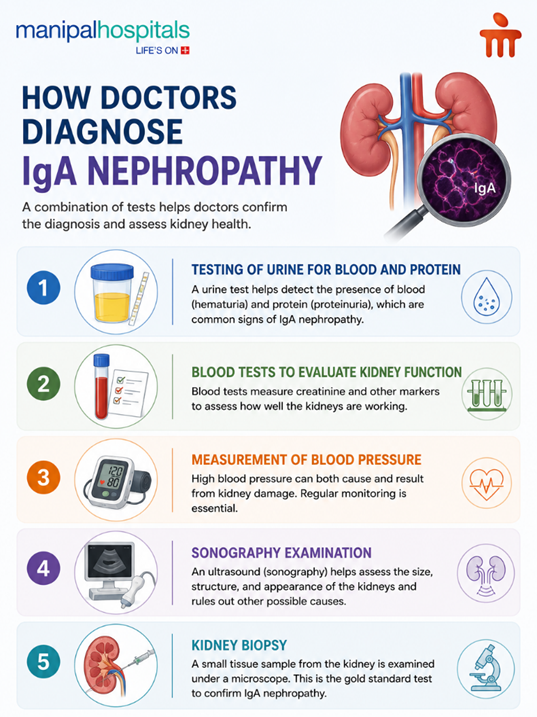
Typical diagnostic procedures involve:
-
Testing of urine for blood and protein
-
Blood tests to evaluate kidney function
-
Measurement of blood pressure
-
Sonography examination
-
Kidney biopsy
Kidney biopsy is still considered the most precise way of diagnosing IgA nephropathy; during this process, a small tissue piece from the kidneys is evaluated with the help of a microscope.
In contemporary practice, guidelines for IgA nephropathy treatment are largely based on results of kidney biopsy since treatment depends on the extent of inflammation and renal tissue damage.
IgA Nephropathy Treatment Options
There is no universal cure for IgA nephropathy, but several therapies help control symptoms and slow disease progression. The primary aim of IgA nephropathy treatment is to preserve kidney function for as long as possible.
The treatment approach may involve:
-
Blood pressure drugs
-
Steroids for some patients
-
Immunosuppressants
-
Protein-lowering drugs
-
Cholesterol medication, if necessary
IgA nephropathy is tailored to each individual case depending on the results of the kidney biopsy, levels of urinary protein, high blood pressure, and general health condition. Blood pressure control is highly recommended in contemporary IgA nephropathy treatment since high blood pressure causes additional stress on the kidneys.
Role of Diet in IgA Nephropathy
What you eat directly impacts your blood pressure, fluid balance, and how hard your kidneys have to work. Switching to a mindful eating plan is one of the most practical ways to take the physical pressure off your filtering system.
A kidney-friendly diet generally focuses on:
-
Cutting back on sodium: Reducing salt helps lower blood pressure and prevents swelling.
-
Managing protein intake: Balancing your portions ensures your kidneys do not get overwhelmed with protein waste.
-
Choosing fresh foods: Prioritising home-cooked meals helps you avoid hidden additives and preservatives.
-
Staying smart with hydration: Maintaining a steady, balanced intake of water keeps your system moving smoothly.
-
Avoiding highly processed items: Steering clear of ready meals and packaged snacks protects your blood vessels.
It is often surprising to see just how much everyday food choices affect the progression of kidney issues. Eating too much salt or relying on processed foods causes the body to hold onto fluid, which spikes your blood pressure and strains your heart.
Role of Diet in IgA Nephropathy
What you eat directly impacts your blood pressure, fluid balance, and how hard your kidneys have to work. Switching to a mindful eating plan is one of the most practical ways to take the physical pressure off your filtering system.
A kidney-friendly diet generally focuses on:
-
Cutting back on sodium: Reducing salt helps lower blood pressure and prevents swelling.
-
Managing protein intake: Balancing your portions ensures your kidneys do not get overwhelmed with protein waste.
-
Choosing fresh foods: Prioritising home-cooked meals helps you avoid hidden additives and preservatives.
-
Staying smart with hydration: Maintaining a steady, balanced intake of water keeps your system moving smoothly.
-
Avoiding highly processed items: Steering clear of ready meals and packaged snacks protects your blood vessels.
It is often surprising to see just how much everyday food choices affect the progression of kidney issues. Eating too much salt or relying on processed foods causes the body to hold onto fluid, which spikes your blood pressure and strains your heart.
Recommended Foods for Kidney Health
The right food choices support kidney function and help maintain energy levels during long-term treatment.
|
Food Group |
Recommended Options |
Benefits |
|
Fresh Fruits |
Apple, pear, berries |
Provide antioxidants and fibre |
|
Vegetables |
Cabbage, beans, cauliflower |
Support balanced nutrition |
|
Whole Grains |
Oats, brown rice |
Improve digestion and energy |
|
Lean Proteins |
Fish, egg whites, chicken |
Support tissue repair |
|
Healthy Fats |
Olive oil, flaxseed |
Promote heart health |
|
Low-Sodium Meals |
Freshly prepared foods |
Reduce blood pressure strain |
Following a structured IgA nephropathy diet may also support better blood pressure control and reduce swelling caused by fluid retention.
Foods to Limit or Avoid
Some foods add an extra burden to the kidneys’ function and increase inflammation.
They include:
-
Processed meat
-
Fatty food products
-
Instant noodles
-
High levels of alcohol intake
Advanced patients with kidney injury may be required to restrict their intake of foods containing high amounts of potassium and phosphorus.
An appropriate IgA nephropathy diet alongside medications can result in a significant improvement in controlling symptoms and treating chronic kidney disease.
Lifestyle Tips for Long-Term Kidney Protection
Daily habits have a major impact on kidney health. Consistency is often more important than drastic changes.
1. Monitor Blood Pressure Regularly
High blood pressure damages kidney filters and worsens inflammation over time.
2. Stay Physically Active
Walking, stretching, and moderate exercise support circulation and cardiovascular health.
3. Take Medicines Consistently
Skipping tablets may interfere with the effectiveness of IgA nephropathy treatment.
4. Stop Smoking
Smoking reduces blood flow to the kidneys and increases cardiovascular risks.
5. Attend Regular Follow-Up Appointments
Routine monitoring allows doctors to detect changes in kidney function early.
6. Manage Stress and Sleep Properly
Poor sleep and uncontrolled stress may indirectly affect blood pressure and recovery.
Patients following personalised IgA nephropathy treatment guidelines in Miller's Road programmes are usually encouraged to combine lifestyle care with medical therapy for better outcomes.
Possible Complications of Untreated Disease
Without proper management, IgA nephropathy may gradually reduce kidney function over many years.
Possible complications include:
-
Chronic kidney disease
-
Kidney failure requiring dialysis
-
Severe swelling
-
Persistent hypertension
-
Nephrotic syndrome
Recognising early IgA nephropathy symptoms allows doctors to begin supportive treatment before irreversible kidney scarring develops.
The Importance of Nephrology Care
Nephrologists specialise in diagnosing and managing complex kidney disorders. Their expertise becomes especially important when protein leakage, blood pressure problems, or declining kidney function persist.
Specialist nephrology care may involve:
-
Kidney biopsy interpretation
-
Medication planning
-
Monitoring disease progression
-
Dietary counselling
-
Long-term kidney protection strategies
Modern IgA nephropathy treatment guidelines recommend individualised treatment because every patient experiences the disease differently.
Conclusion
IgA nephropathy is a chronic kidney disorder that requires consistent monitoring, lifestyle management, and timely medical support. Recognising early symptoms, following an appropriate care plan, and maintaining a balanced diet can help slow disease progression and protect kidney function. Regular follow-up and blood pressure control remain vital for long-term health. Patients seeking expert nephrology care can consult specialists at Manipal Hospital for comprehensive care and personalised IgA nephropathy treatment guidelines near Millers Road, Bangalore.
FAQ's
Early symptoms may include blood in urine, foamy urine, swelling, tiredness, and raised blood pressure. Some individuals remain symptom-free during initial disease stages.
There is no complete cure currently, but proper IgA nephropathy treatment can slow kidney damage, reduce complications, and help patients maintain stable kidney function for years.
A healthy diet generally includes low-sodium meals, fruits, vegetables, whole grains, and controlled protein intake to support kidney and cardiovascular health.
Kidney inflammation damages filtering structures, allowing protein to leak into urine. Doctors assess these proteins in urine causes carefully to monitor disease progression and treatment response.
A nephrologist should evaluate persistent blood in urine, swelling, abnormal kidney tests, or worsening symptoms for accurate diagnosis and long-term management.
Share this article on:


.webp "Life After Kidney Transplant: Diet, Care & Precautions")