




 5 Min Read
Headaches are common in today’s stressful lifestyle. But certain signs of headache may indicate a concerning health issue. Identifying any such unusual or severe symptoms becomes crucial for timely evaluation or understanding the exact cause of the headache when it becomes severe or persistent.
Headaches and pregnancy
A very common question that people often ask is, ‘Are headaches a sign of pregnancy?’ Well, yes- while some headaches are caused by sinus issues or stress, others may be linked to causes like hormonal changes in the early stages of pregnancy. However, it is important to remember that some serious illnesses can also occur during pregnancy. Hence any new onset headache in pregnancy should be taken seriously.
Persistent headaches
Any headache that lasts for several days or recurs should be taken seriously. A headache that does not improve can be a warning sign of a more serious condition. Since ordinary headaches, caused by stress or dehydration, subside with adequate rest, hydration, or medication, persistent pain may signal conditions like chronic migraine, hormonal imbalances, neurological issues or even pregnancy.
When a headache starts interfering with concentration, sleep, or daily activities, it becomes important to seek medical advice and identify the underlying cause to prevent the problem from worsening.
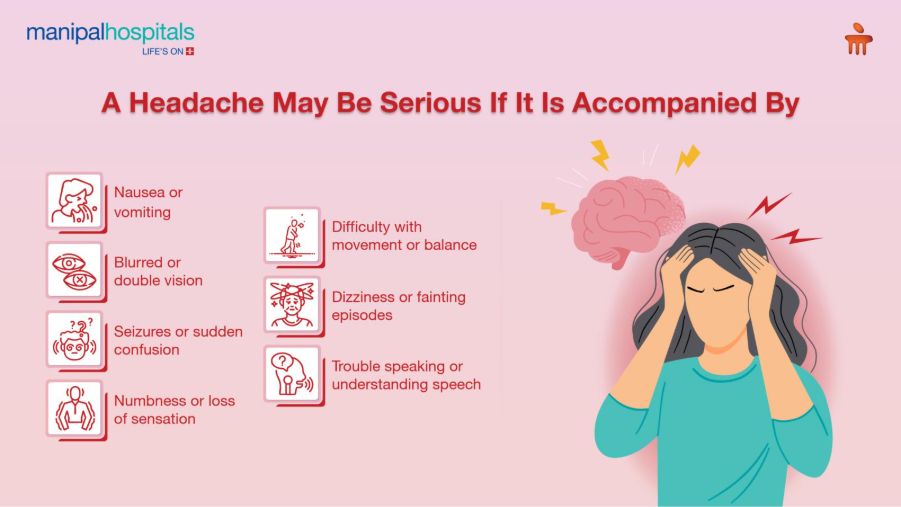
When a headache is not normal
Certain headache patterns, like the following, may indicate a serious underlying condition and need medical evaluation:
-
Headaches with sinus pressure/facial pain
-
Thunderclap headache
-
Neurological headache
-
Stress-related headache
-
Headache from a tumour or an infection
-
Headache suddenly awakening the patient from sleep
-
Headache with uncontrolled vomiting (may indicate a neurological headache)
Let us delve into each of these patterns of headache one by one:
Headaches with sinus pressure/facial pain
Signs of sinus headache include a constant, dull pain or pressure in the forehead, cheeks, or around the eyes, which typically worsens while bending forward or lying down. The pain is mostly accompanied by nasal congestion, thick nasal discharge, and facial tenderness.
Sinus headaches are caused by inflammation or infection of the sinuses, which can indicate sinusitis. Mild sinus headaches may improve with medication, steam inhalation, or hydration, but pain that becomes chronic or severe is not normal. Look for symptoms like fever, repeated nasal discharge, swelling around the eyes, or worsening symptoms, which require medical evaluation.
Thunderclap headache
A sudden, intense headache is a medical emergency. It begins abruptly and becomes severe within seconds, so much so that one can describe it as the worst headache of their life. Such a pain can signal serious conditions like a brain aneurysm, intracranial bleeding, or a hypertensive crisis.
Thunderclap headaches should never be ignored as they require immediate medical care, even if the pain improves briefly. The presence of symptoms like vomiting, blurred or double vision, confusion, neck stiffness, weakness, or fainting should be considered as red flags. Recognising these signs and seeking prompt emergency evaluation can be life-saving.
Neurological headache
Headaches that are accompanied by neurological symptoms are a serious warning sign that calls for immediate medical evaluation. Numbness or weakness on one side of the body, trouble speaking or understanding speech, dizziness, loss of balance or trouble walking, confusion, or sudden vision changes are considered red flags. Headaches worse in some specific position like lying down or sitting up . These may be an indication towards conditions like a stroke, migraine, or nerve disorders. New onset or persistent headache after the age of 40 years is also often associated with Neurological conditions.
While symptoms like tingling or visual flashes may be associated with migraines (with aura), a stroke mostly causes a lack of sensation (especially in the hands) or loss of vision that starts all of a sudden. Any headache which comes with coordination problems or altered consciousness is not normal and requires to be treated as an emergency.
Stress-related headache
Stress headache symptoms typically include a dull, aching pain that creates a tight, band-like pressure around the forehead or temples, and brings stiffness in the neck and shoulders. The symptoms usually worsen with psychological pressure, anxiety, or poor sleep.
Occasional stress headaches are not concerning, but persistent or debilitating ones are. With unmanaged stress and sleep deprivation, such headaches can become chronic and interfere with daily life. Headaches that reduce productivity or limit routine activities need prompt medical evaluation along with stress management and relaxation techniques.
Headache from a tumour or an infection
A worsening headache accompanied by behavioural or cognitive changes can be a sign of a brain tumour. A growing tumour (benign or cancerous) may press on blood vessels or brain tissue, and lead to a host of symptoms like persistent headaches, personality changes, memory or concentration issues, impaired judgment, or emotional instability.
Similarly, a headache that comes with fever and a stiff neck may indicate an infection of the brain and spinal cord membranes, known as meningitis. Other symptoms associated with this condition are nausea, vomiting, confusion, or seizures. Since these symptoms mimic a few other illnesses, prompt medical evaluation is important.
Conclusion
While headaches are common, not all headaches should be taken casually. Certain warning signs— like persistent pain, sudden or severe onset, neurological manifestations, sinus pressure, fever, stress-related disability, or changes in behaviour and cognition— may be a sign of an underlying medical condition that requires prompt attention. Identifying such abnormal headache patterns can help in timely diagnosis and effective treatment to prevent serious complications.
If you or a family member experiences headaches that become severe, frequent, or start interfering with daily life, seek the right medical advice at the neurological department of Manipal Hospitals Kolkata. Listening to your body and acting early on the advice of our expert neurologists can make a critical difference in protecting your overall health.
FAQ's
Yes, certain tests can help diagnose headaches that are not normal. Doctors may recommend blood tests, CT scans, MRI, or neurological exams depending on symptoms.
Headaches that are not normal can be prevented depending on the cause and may include managing blood pressure, treating infections, reducing stress, and regular medical follow-ups.Maintaining a regular lifestyle.
Yes- any headache that wakes you from sleep or is worse in the morning can be associated with raised intracranial pressure or sleep-related disorders.
Yes- dehydration can cause headaches, but if the pain persists despite hydration, it may indicate a more serious condition that requires immediate medical analysis.
Yes, they can be linked to the usage of certain medicines. Overuse of painkillers or sudden withdrawal from certain drugs can cause rebound or secondary headaches.
Share this article on:


.webp "Comprehensive healthcare services at the best hospital in Kolkata")





