8 Min Read
Breathing is something most of us never think about until it suddenly becomes difficult. One condition that can make breathing frighteningly hard is pulmonary edema. It happens when fluid builds up in the lungs, preventing oxygen from reaching the bloodstream properly. Understanding the pulmonary edema causes, early warning signs, and possible complications can make a life-saving difference.
At Manipal Hospitals Pune, specialists often see patients arrive with sudden breathlessness that turns out to be pulmonary edema. Early diagnosis and timely treatment play a crucial role in recovery.
Synopsis
What Is Pulmonary Edema?
Pulmonary edema is a medical condition where excess fluid accumulates in the air sacs (alveoli) of the lungs. These air sacs are meant to fill with air, not fluid. When fluid replaces air, oxygen exchange is affected, making breathing laboured and inefficient.
Pulmonary edema can develop suddenly (acute) or gradually over time (chronic). Acute pulmonary edema is a medical emergency and requires immediate hospital care.
Pulmonary Edema Causes: Why Does Fluid Build Up in the Lungs?
The causes of pulmonary edema can be broadly divided into cardiac (heart-related) and non-cardiac reasons.
1. Heart-Related Causes (Cardiogenic Pulmonary Edema)
This is the most common category.
-
Left-Sided Heart Failure
When the left ventricle of the heart becomes weak, it cannot pump blood efficiently. Blood backs up into the lungs, increasing pressure in the lung blood vessels. As a result, fluid leaks into the alveoli.
-
Heart Attack
A heart attack damages the heart muscle, reducing pumping capacity. This sudden loss of function can quickly lead to fluid accumulation in the lungs.
-
Valve Disorders
Conditions such as mitral valve stenosis or regurgitation disrupt normal blood flow, raising pressure in lung vessels.
-
Long-Standing High Blood Pressure
Uncontrolled hypertension forces the heart to work harder, eventually weakening it and leading to pulmonary edema.
2. Non-Cardiac Pulmonary Edema Causes
Not all pulmonary edema originates from heart problems.
-
Severe Lung Infections
Pneumonia or sepsis can inflame lung tissues, causing fluid leakage into air sacs.
-
Acute Respiratory Distress Syndrome (ARDS)
Trauma, serious infections, or inhalation injuries can damage lung membranes, leading to fluid buildup.
-
Kidney Failure
When kidneys fail, excess fluid remains in the body and may accumulate in the lungs.
-
High-Altitude Pulmonary Edema (HAPE)
Sudden ascent to high altitudes without proper acclimatisation can cause lung blood vessels to constrict, forcing fluid into alveoli.
-
Inhalation of Toxic Gases
Smoke, chemicals, or pollution exposure can damage lung tissue and trigger pulmonary edema.
Signs of Pulmonary Edema You Should Never Ignore
Recognising early signs of pulmonary edema can prevent serious complications.
Common Symptoms Include:
-
Sudden shortness of breath
-
Difficulty breathing when lying flat
-
Rapid, shallow breathing
-
Wheezing or gasping for air
-
Pink, frothy sputum
-
Chest tightness
-
Excessive sweating
-
Anxiety or restlessness
-
Bluish lips or fingertips (low oxygen levels)
Chronic pulmonary edema may present more subtly with fatigue, weight gain due to fluid retention, and breathlessness during physical activity.
How Pulmonary Edema Is Diagnosed
At Manipal Hospitals Kharadi, doctors use a combination of clinical evaluation and advanced diagnostics, including:
-
Chest X-ray
-
Blood oxygen level testing
-
ECG and echocardiogram
-
Blood tests (BNP, kidney function)
-
CT scan if required
Accurate diagnosis helps determine whether the cause is cardiac or non-cardiac, guiding effective treatment.
Complications of Pulmonary Edema
If not treated promptly, pulmonary edema can lead to serious and sometimes life-threatening outcomes.
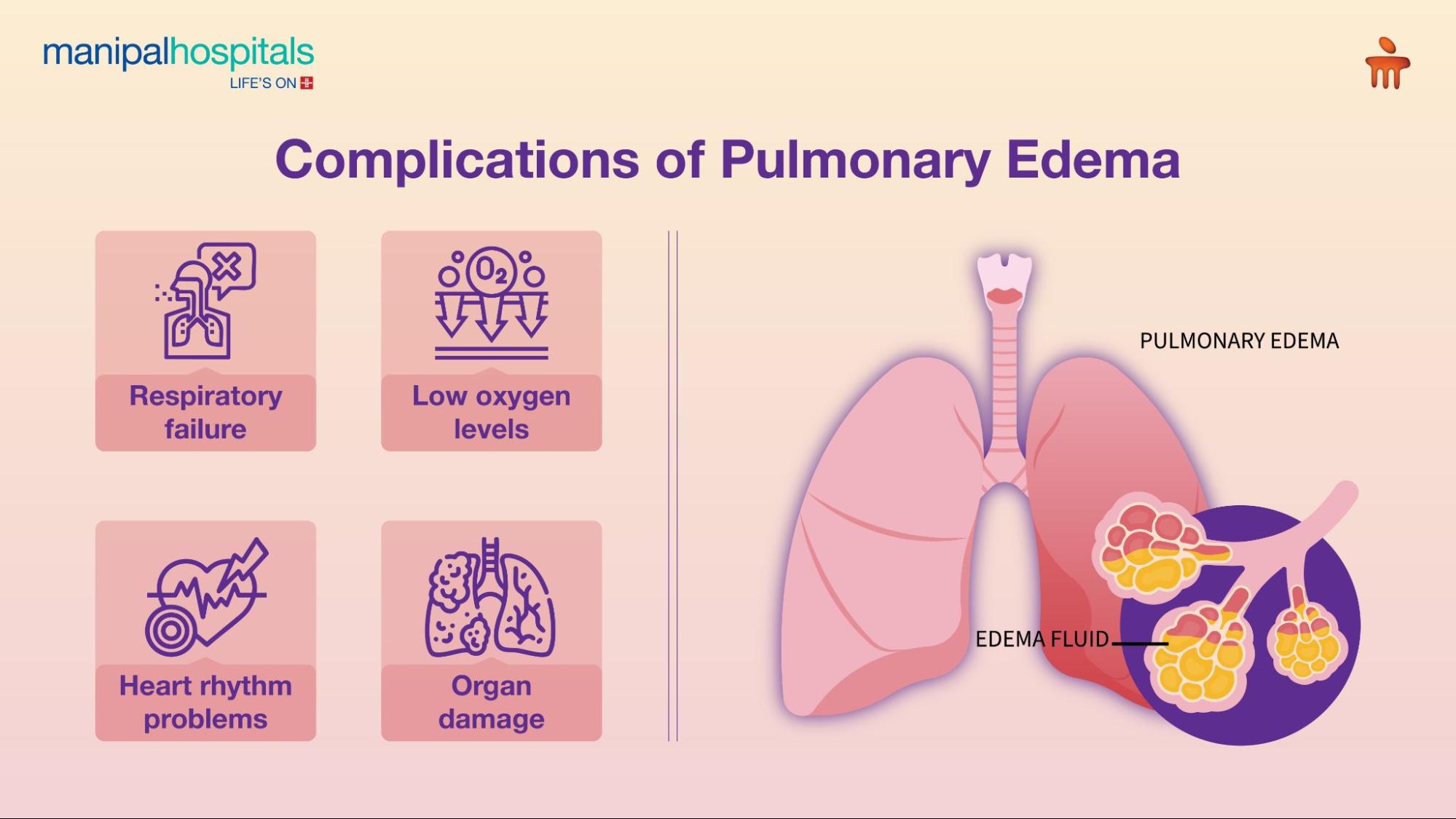
Major Complications Include:
-
Respiratory failure
-
Chronic hypoxia (low oxygen levels)
-
Heart rhythm disturbances
-
Worsening heart failure
-
Organ damage due to oxygen deprivation
-
Increased risk of death in acute cases
This is why emergency care is essential when symptoms appear suddenly.
Treatment Approach for Pulmonary Edema
Treatment depends on the underlying cause but usually focuses on improving oxygenation and removing excess fluid.
Common Treatment Options:
-
Oxygen therapy or ventilatory support
-
Diuretics to remove excess fluid
-
Medications to strengthen heart function
-
Blood pressure control
-
Treating infections or kidney issues
-
Lifestyle and dietary changes for chronic cases
The multidisciplinary teams, including an experienced pulmonologist in Pune at Manipal Hospital Pune. ensure a comprehensive, patient-centric treatment approach.
Seek emergency care if someone experiences:
-
Sudden breathing difficulty
-
Chest pain with breathlessness
-
Foamy or blood-tinged cough
-
Severe anxiety with air hunger
Pulmonary edema is not something to “wait out.”
Understanding pulmonary edema causes, recognising early warning signs, and knowing when to act can save lives. Whether it stems from heart disease, lung injury, or systemic illness, pulmonary edema requires prompt medical attention.
Conclusion
If you or a loved one experiences symptoms of fluid in the lungs, expert care at Manipal Hospital Pune ensures timely diagnosis, advanced treatment, and compassionate recovery support.
FAQ's
It is a condition where fluid collects in the lungs, making breathing difficult.
Common causes include heart failure, heart attack, kidney disease, lung infections, and high altitude exposure.
Sudden breathlessness, rapid breathing, chest tightness, and pink frothy cough.
Yes, acute pulmonary edema is a medical emergency and needs immediate treatment.
Yes, with early diagnosis and treatment of the underlying cause.
Share this article on:


--Mood,-Pain-and-Bloating-Relief.webp "Premenstrual Syndrome (PMS)")