7 Min Read
Neck pain is one of the most common musculoskeletal complaints today. Long hours at desks, excessive smartphone use, and natural ageing can all put strain on the cervical spine. One of the leading causes of persistent neck pain is cervical spondylosis, a degenerative condition affecting the discs and joints of the neck.
While the diagnosis may sound concerning, the good news is that most patients improve significantly without surgery. With the right treatment, lifestyle adjustments, and guided physiotherapy, many people regain mobility and live pain-free lives.
At Manipal Hospital Kharadi, spine specialists focus on evidence-based, non-surgical treatment approaches that help patients manage cervical spondylosis effectively while improving long-term spine health.
Synopsis
What is Cervical Spondylosis?
Cervical spondylosis refers to age-related wear and tear of the cervical spine, which is the portion of the spine located in the neck. Over time, the discs between vertebrae gradually lose hydration and elasticity. This leads to degeneration, formation of bone spurs, and stiffening of spinal ligaments.
These structural changes may compress nearby nerves or narrow the spinal canal, leading to pain, stiffness, or neurological symptoms.
Research shows that more than 80–85% of people above the age of 60 show signs of cervical spondylosis, although many younger individuals now experience symptoms due to sedentary lifestyles and poor posture.
Common Symptoms of Cervical Spondylosis
Symptoms may develop gradually and vary depending on the severity of degeneration and nerve involvement.
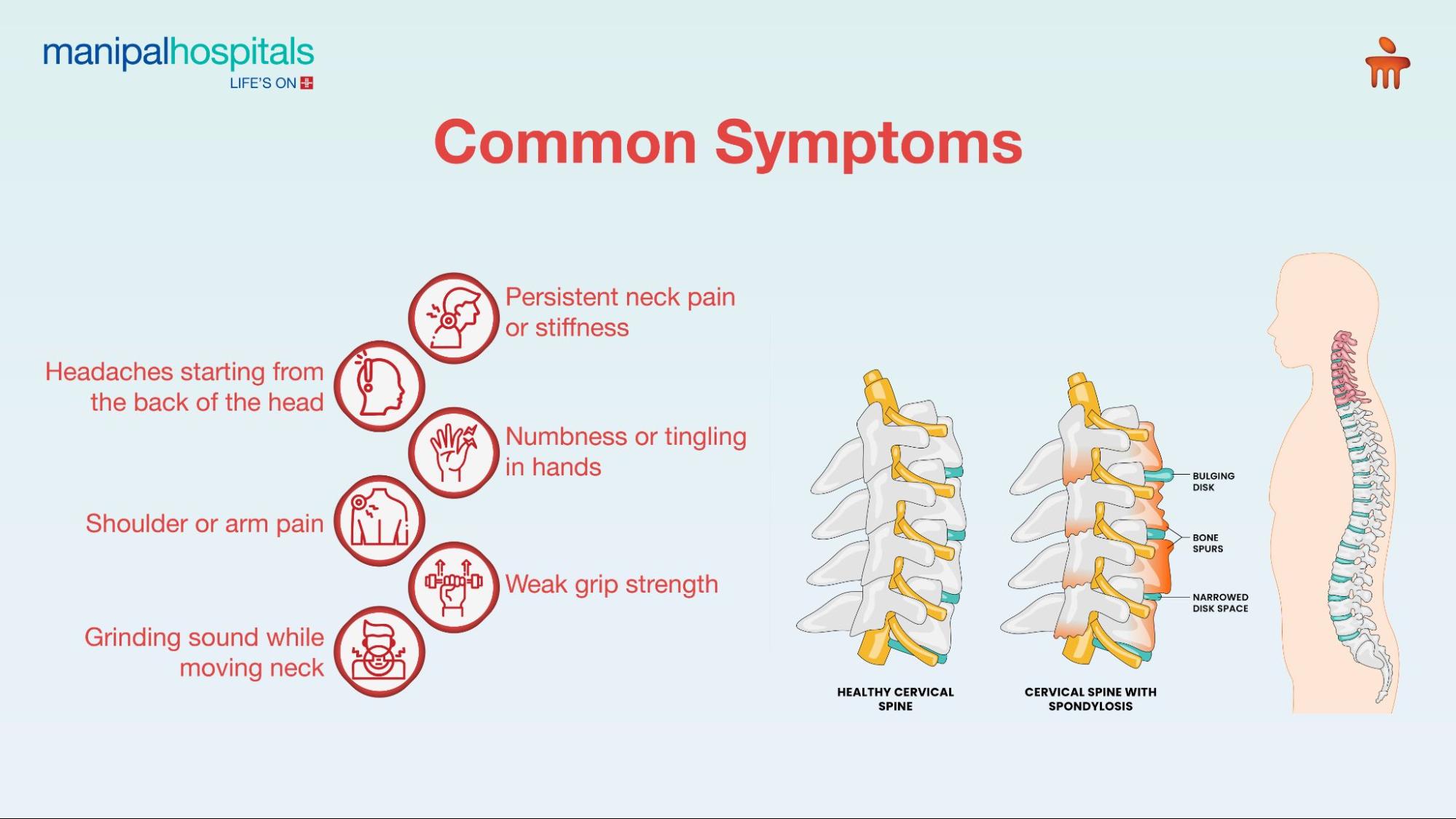
Common symptoms include:
-
Persistent neck pain or stiffness
-
Headaches, often starting at the back of the head
-
Shoulder or arm pain
-
Numbness or tingling in arms and fingers
-
Weakness in the hands or reduced grip strength
-
Grinding sensation when moving the neck
-
Muscle spasms in the neck and shoulders
In more severe cases where the spinal cord is compressed, individuals may also experience:
-
Difficulty maintaining balance
-
Problems with coordination
-
Weakness in the arms or legs
If these symptoms occur, timely medical consultation is important.
Causes of Cervical Spondylosis
The most common cause of cervical spondylosis is natural spinal degeneration with age, but several other factors may contribute.
Degeneration of Spinal Discs
Spinal discs lose water content over time, becoming thinner and less flexible. This reduces their ability to absorb shock and support spinal movement.
Bone Spur Formation
As discs degenerate, the body may produce extra bone growths (osteophytes) to stabilise the spine. These bone spurs can sometimes press on nearby nerves.
Ligament Stiffening
Ligaments connecting the vertebrae may thicken and lose flexibility, limiting neck mobility.
Risk Factors That Increase Neck Pain
Several lifestyle and health factors can increase the likelihood of developing cervical spondylosis:
-
Poor posture during desk work
-
Excessive smartphone use (“tech neck”)
-
Previous neck injuries
-
Sedentary lifestyle
-
Smoking
-
Obesity
-
Genetic predisposition
People working long hours on computers are particularly prone to neck strain and stiffness.
Non-Surgical Treatments for Cervical Spondylosis
The encouraging news is that over 85–90% of cervical spondylosis cases can be managed without surgery. Treatment focuses on relieving pain, restoring movement, and preventing nerve damage.
At Manipal Hospital Kharadi, spine specialists design personalised treatment plans based on the patient’s condition and lifestyle.
1. Physiotherapy and Rehabilitation
Physiotherapy is one of the most effective treatments for cervical spondylosis.
A structured therapy programme may include:
-
Neck strengthening exercises
-
Stretching exercises to improve flexibility
-
Posture correction training
-
Manual therapy and mobilisation
-
Cervical traction to reduce nerve compression
Regular physiotherapy helps improve mobility and prevent recurring neck pain.
2. Medications for Pain Relief
Doctors may recommend medications to manage pain and inflammation, including:
-
Anti-inflammatory pain relievers
-
Muscle relaxants for spasms
-
Nerve pain medications
-
Corticosteroid injections for severe inflammation
These medications are usually combined with physiotherapy for optimal results.
3. Lifestyle Changes
Simple daily habits can significantly improve symptoms.
Recommended lifestyle changes include:
-
Maintaining correct sitting posture
-
Taking frequent breaks from desk work
-
Limiting prolonged mobile phone use
-
Performing regular neck exercises
-
Maintaining a healthy body weight
Such measures help reduce stress on the cervical spine.
4. Ergonomic Improvements
Making ergonomic adjustments in your workplace can reduce strain on the neck.
Helpful adjustments include:
-
Keeping the computer monitor at eye level
-
Using a chair with proper back support
-
Keeping feet flat on the floor
-
Using a cervical pillow while sleeping
These steps help maintain proper spinal alignment and reduce discomfort.
5. Advanced Pain Management
For persistent pain, specialists may recommend advanced non-surgical procedures such as:
-
Radiofrequency ablation, which blocks pain signals from affected nerves
-
Transcutaneous Electrical Nerve Stimulation (TENS) therapy
-
Targeted nerve block injections
These treatments can provide long-term relief for chronic neck pain.
Do’s and Don’ts for Cervical Spondylosis
Do’s
-
Maintain good posture while sitting and working
-
Perform recommended neck exercises regularly
-
Take breaks every 30–60 minutes during desk work
-
Use a supportive cervical pillow
-
Apply heat or cold therapy for pain relief
-
Stay physically active
Don’ts
-
Avoid slouching or bending the neck for long periods
-
Do not carry heavy bags on one shoulder
-
Avoid sudden jerking neck movements
-
Do not ignore persistent numbness or weakness
-
Avoid sleeping on your stomach
You should seek medical attention if you experience:
-
Severe or persistent neck pain
-
Pain radiating to the arms
-
Numbness or tingling in the hands
-
Weakness in arms or fingers
-
Difficulty walking or maintaining balance
At Manipal Hospital, experienced orthopaedic in kharadi , Pune and spine specialists use advanced diagnostic techniques and personalised treatment plans to help patients recover safely.
Conclusion
At Manipal Hospital, experienced orthopaedic in kharadi, Pune and spine specialists use advanced diagnostic techniques and personalised treatment plans to help patients recover safely.
Cervical spondylosis is a common spinal condition that can cause neck pain, stiffness, and nerve-related symptoms. Fortunately, the majority of patients respond well to non-surgical treatments such as physiotherapy, medications, ergonomic changes, and lifestyle modifications.
With timely medical guidance and consistent care, patients can significantly reduce pain and restore normal neck movement. If you are experiencing persistent neck discomfort, consulting the specialists at Manipal Hospital Kharadi can help you receive the right diagnosis and effective treatment.
Disclaimer: This article is for informational purposes only and should not replace professional medical advice. Please consult a qualified healthcare professional for diagnosis and treatment.
FAQ's
Cervical spondylosis cannot be reversed, but symptoms can be effectively managed with physiotherapy, medications, and lifestyle changes.
Most cases are mild and manageable. However, severe nerve or spinal cord compression may require specialised treatment.
Gentle neck stretches, strengthening exercises, and posture correction exercises recommended by physiotherapists are most effective.
Many patients notice improvement within a few weeks to a few months with proper treatment and physiotherapy.
Yes, stress can increase muscle tension in the neck and shoulders, worsening symptoms.
Surgery is usually considered only when non-surgical treatments fail or when there is significant nerve or spinal cord compression.
Share this article on:


--What-It-Is-and-When-Doctors-Recommend-It.webp "endoscopic ultrasound")