6 Min Read
World Tuberculosis Day is observed globally to raise awareness about one of the oldest yet still persistent infectious diseases affecting millions. As we approach World Tuberculosis Day 2026, the relevance of this campaign remains especially strong in densely populated urban regions of India. Early recognition of tuberculosis symptoms, timely TB treatment, and understanding the causes of tuberculosis are crucial in controlling its spread. Individuals experiencing persistent respiratory concerns are encouraged to consult specialists such as our pulmonologists in Gurugram, who provide evidence-based diagnosis and comprehensive care.
Despite advancements in medicine, tuberculosis continues to pose public health challenges due to overcrowding, air pollution, and delayed diagnosis. World Tuberculosis Day serves as a reminder that awareness, prevention, and access to structured TB treatment are essential in urban communities.
Synopsis
- World Tuberculosis Day: Understanding Its Significance
- Causes of Tuberculosis: Why Urban Areas Remain Vulnerable
- Tuberculosis Symptoms: Early Signs You Should Not Ignore
- TB Treatment: Advances and Accessibility in 2026
- World Tuberculosis Day 2026: Addressing Drug-Resistant TB
- Why World Tuberculosis Day Still Matters in Urban India
- Prevention Strategies Promoted on World Tuberculosis Day
- Reducing Stigma Through World Tuberculosis Day
- The Role of Specialised Care in Urban TB Management
- Looking Ahead Beyond World Tuberculosis Day 2026
World Tuberculosis Day: Understanding Its Significance
Every year, World Tuberculosis Day highlights the global commitment to eliminate TB. The day commemorates the discovery of the bacterium Mycobacterium tuberculosis, which clarified the causes of tuberculosis and revolutionised treatment strategies.
The purpose of World Tuberculosis Day is to:
-
Promote awareness of tuberculosis symptoms
-
Encourage early medical consultation
-
Improve access to effective TB treatment
-
Reduce stigma surrounding the disease
As urban India continues to grow, World Tuberculosis Day 2026 becomes an important platform to address emerging challenges such as drug-resistant TB and delayed detection.
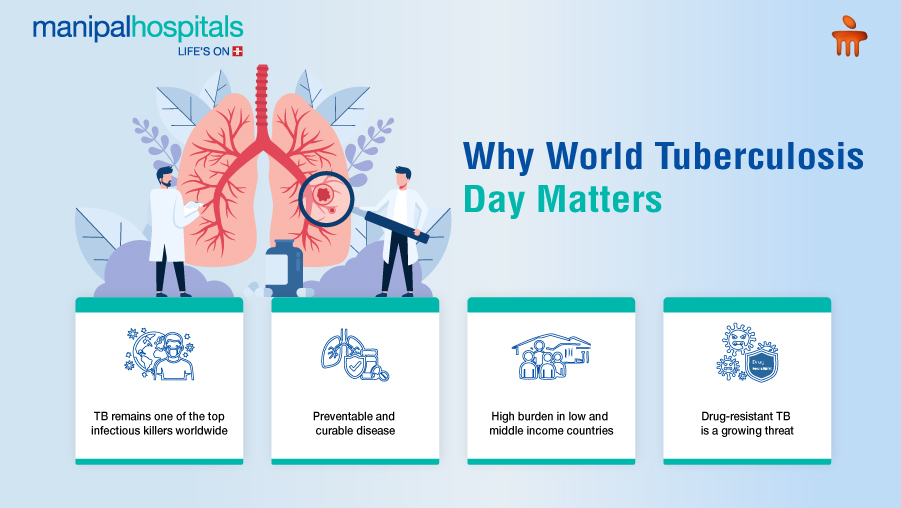
Causes of Tuberculosis: Why Urban Areas Remain Vulnerable
Understanding the causes of tuberculosis is fundamental to prevention. Tuberculosis is caused by airborne bacteria transmitted through droplets when an infected person coughs, sneezes, or speaks.
Common causes of tuberculosis transmission include:
-
Close contact in crowded living conditions
-
Poor ventilation in homes and workplaces
-
Compromised immunity
-
Malnutrition
-
Chronic illnesses such as diabetes
Urban populations face higher exposure risks due to dense housing and increased mobility. On World Tuberculosis Day, healthcare professionals emphasise that recognising the causes of tuberculosis can significantly reduce infection rates.
Air pollution, which is common in metropolitan areas, may also aggravate lung vulnerability, increasing susceptibility to TB infection.
Tuberculosis Symptoms: Early Signs You Should Not Ignore
Raising awareness about tuberculosis symptoms remains a primary focus of World Tuberculosis Day campaigns. Early identification prevents complications and limits disease transmission.
Common tuberculosis symptoms include:
-
Persistent cough lasting more than two weeks
-
Fever
-
Fatigue
-
Coughing up blood in advanced cases
These tuberculosis symptoms may initially resemble common respiratory infections, leading to delayed diagnosis. During World Tuberculosis Day 2026, public health initiatives stress that persistent respiratory symptoms require medical evaluation.
If individuals notice prolonged tuberculosis symptoms, consultation with respiratory specialists, including our pulmonologists in Gurugram, can ensure timely testing and intervention.
TB Treatment: Advances and Accessibility in 2026
Effective TB treatment has transformed tuberculosis from a fatal disease into a curable condition when managed properly. The standard TB treatment involves a combination of antibiotics taken consistently for six months or longer.
Key aspects of TB treatment include:
-
Strict adherence to medication
-
Regular follow-up tests
-
Nutritional support
-
Monitoring for drug resistance
Incomplete or irregular TB treatment can lead to multidrug-resistant TB (MDR-TB), which is more difficult to manage. On World Tuberculosis Day, health authorities emphasise the importance of completing the full course of TB treatment even if symptoms improve early.
In urban India, improving accessibility to reliable TB treatment centres remains a critical goal for World Tuberculosis Day 2026 initiatives.
World Tuberculosis Day 2026: Addressing Drug-Resistant TB
One of the major concerns highlighted during World Tuberculosis Day is the rise of drug-resistant strains. Irregular medication intake and delayed diagnosis contribute significantly to this challenge.
The causes of tuberculosis becoming resistant often include:
-
Incomplete treatment
-
Incorrect drug dosage
-
Lack of monitoring
-
Self-medication
Drug-resistant TB requires prolonged and more intensive TB treatment, often with second-line medications. Early detection of tuberculosis symptoms reduces the likelihood of resistance.
Through targeted campaigns, World Tuberculosis Day 2026 aims to strengthen adherence programmes and diagnostic infrastructure in urban healthcare systems.
Why World Tuberculosis Day Still Matters in Urban India
Despite national elimination goals, TB continues to affect thousands annually. World Tuberculosis Day plays a vital role in combating misinformation and stigma.
Urban India faces unique challenges:
-
High population density
-
Migrant populations
-
Variable access to healthcare
-
Environmental pollution
By increasing awareness of tuberculosis symptoms and promoting structured TB treatment, World Tuberculosis Day encourages early action.
Timely identification of the causes of tuberculosis in high-risk populations can break transmission chains effectively.
Prevention Strategies Promoted on World Tuberculosis Day
Preventive education is central to World Tuberculosis Day messaging.
-
Early Screening - Individuals exposed to infected persons should undergo testing even if tuberculosis symptoms are mild.
-
Vaccination - The BCG vaccine offers partial protection, particularly against severe childhood TB.
-
Improved Ventilation - Addressing environmental causes of tuberculosis, such as poor airflow, reduces airborne transmission.
-
Nutritional Support - Adequate nutrition strengthens immunity and supports successful TB treatment outcomes.
Through sustained efforts beyond World Tuberculosis Day 2026, urban communities can significantly reduce TB prevalence.
Reducing Stigma Through World Tuberculosis Day
Stigma often delays reporting of tuberculosis symptoms. Fear of discrimination discourages individuals from seeking timely TB treatment.
A major objective of World Tuberculosis Day is to promote compassion and understanding. Tuberculosis is a treatable bacterial infection, not a reflection of personal hygiene or social status.
Encouraging open conversations about the causes of tuberculosis and available TB treatment options builds community trust and supports recovery.
The Role of Specialised Care in Urban TB Management
Complex cases, including drug-resistant TB or patients with coexisting lung disease, require expert oversight. Access to experienced respiratory specialists improves outcomes and ensures structured monitoring.
Urban residents experiencing persistent tuberculosis symptoms can benefit from consultation with our pulmonologist in Gurugram, who provides advanced diagnostic tools and personalised treatment strategies.
During World Tuberculosis Day 2026, emphasis remains on strengthening specialist networks to enhance treatment adherence and minimise complications.
Looking Ahead Beyond World Tuberculosis Day 2026
As World Tuberculosis Day approaches each year, the message remains consistent: early diagnosis, complete TB treatment, and understanding the causes of tuberculosis are vital to elimination efforts.
Urban India must continue prioritising:
-
Public awareness campaigns
-
Early screening initiatives
-
Improved access to diagnostic testing
-
Strengthened treatment compliance
Through sustained efforts inspired by World Tuberculosis Day, India can move closer to achieving long-term TB elimination goals.
FAQ's
World Tuberculosis Day raises awareness about tuberculosis prevention, early diagnosis, and access to effective TB treatment worldwide.
Common tuberculosis symptoms include persistent cough, fever, weight loss, night sweats, and chest pain lasting more than two weeks.
The primary causes of tuberculosis involve airborne transmission of bacteria, especially in crowded or poorly ventilated spaces.
Standard TB treatment typically lasts six months, though drug-resistant cases may require longer therapy.
Yes, with early detection of tuberculosis symptoms and completion of the prescribed TB treatment, most cases can be fully cured.
Share this article on:


.webp "Dr. Salil Yadav | Robotic & Laparoscopic Surgery Specialist in Gurugram | Manipal Hospitals")