.webp "Dr. Salil Yadav | Robotic & Laparoscopic Surgery Specialist in Gurugram | Manipal Hospitals")
 6 Min Read
World Obesity Day serves as a global reminder that obesity is not merely a cosmetic concern but a serious medical condition with long-term consequences. As we observe World Obesity Day 2026, healthcare professionals are emphasising early prevention, structured treatment, and awareness about the growing lifestyle epidemic affecting millions worldwide. Individuals seeking specialised guidance can consult our bariatric surgeons in Gurugram, who provide evidence-based approaches for sustainable weight management.
The significance of World Obesity Day lies in educating communities about the causes of obesity, the associated health risks of obesity, and the importance of timely medical intervention. With sedentary routines, poor dietary patterns, and rising stress levels, obesity continues to expand silently across age groups.
Synopsis
- World Obesity Day: Why Global Awareness Matters
- Understanding the Causes of Obesity
- Obesity Health Risks: Why Early Intervention Is Crucial
- World Obesity Day 2026: The Growing Burden in India
- Prevention Strategies Highlighted on World Obesity Day
- Medical Treatment and Support on World Obesity Day
- Addressing Stigma During World Obesity Day
- Long-Term Impact of World Obesity Day Initiatives
- The Future Outlook Beyond World Obesity Day 2026
World Obesity Day: Why Global Awareness Matters
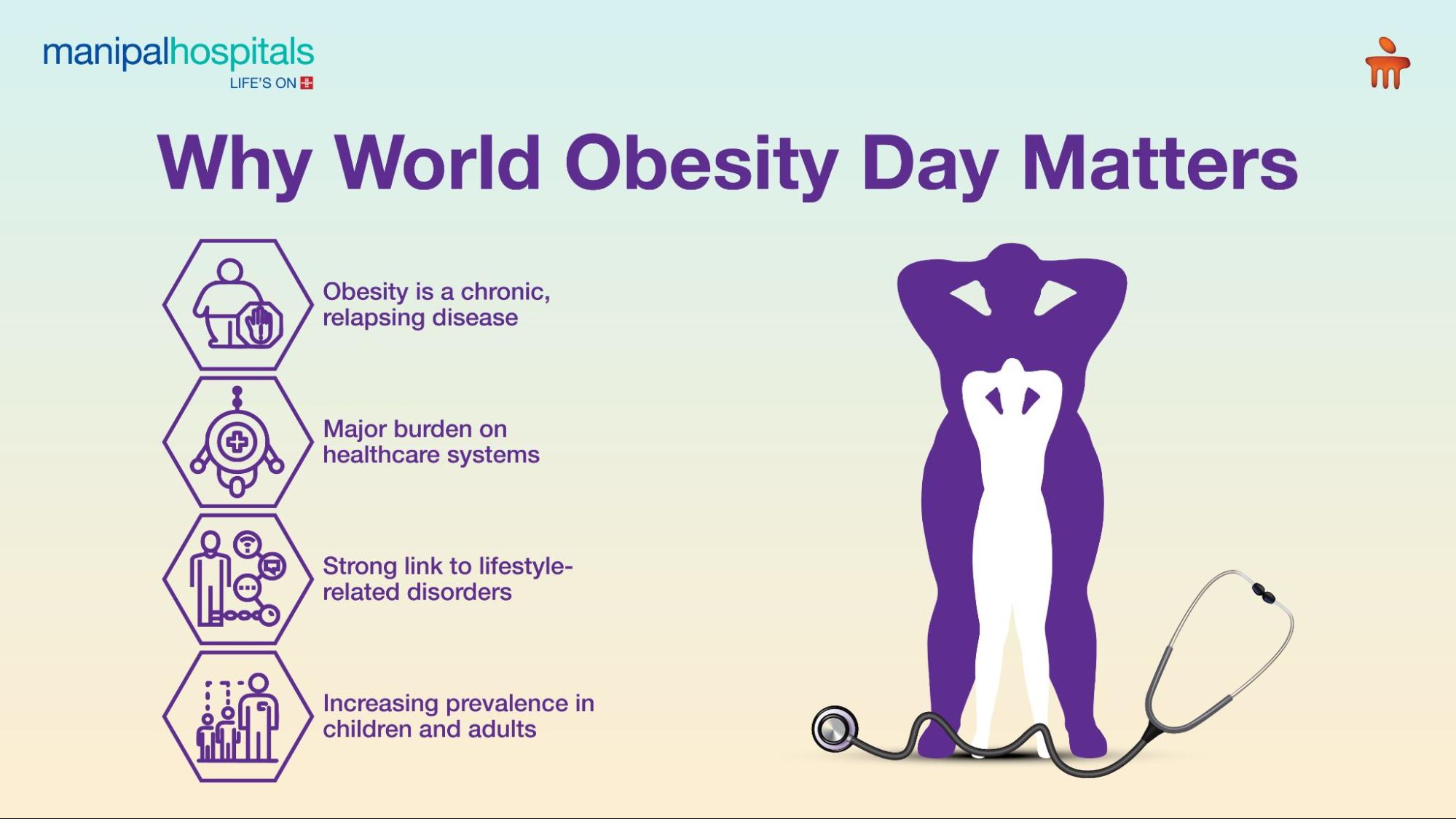
Every year, World Obesity Day highlights the urgent need to address obesity as a chronic disease rather than a lifestyle choice. World Obesity Day 2026 focuses on strengthening prevention strategies and improving access to multidisciplinary care.
The objective of World Obesity Day is to:
-
Spread awareness about the causes of obesity
-
Educate people about the health risks of obesity
-
Encourage early screening and diagnosis
-
Promote sustainable lifestyle changes
By observing World Obesity Day, healthcare institutions and policymakers work together to combat rising obesity rates.
Understanding the Causes of Obesity
One of the primary discussions during World Obesity Day revolves around understanding the causes of obesity. Obesity develops due to a complex interaction of biological, behavioural, and environmental factors.
Common causes of obesity include:
-
Excess calorie consumption
-
Low physical activity
-
Genetic predisposition
-
Hormonal imbalances
-
Poor sleep quality
-
Emotional eating
The causes of obesity are often misunderstood. While overeating plays a role, metabolic disorders and endocrine conditions also contribute significantly. Recognising these causes of obesity is essential for effective treatment planning.
During World Obesity Day 2026, experts are particularly highlighting how urbanisation and digital dependency have intensified the causes of obesity in both adults and children.
Obesity Health Risks: Why Early Intervention Is Crucial
Another key theme of World Obesity Day is understanding the severe obesity health risks associated with excess body weight. Obesity is linked to numerous chronic diseases that can reduce life expectancy.
Major obesity health risks include:
-
Type 2 diabetes
-
Cardiovascular disease
-
Osteoarthritis
-
Sleep apnoea
-
Certain cancers
The long-term obesity health risks extend beyond physical illness. Mental health concerns such as anxiety, depression, and social stigma also affect individuals living with obesity.
On World Obesity Day 2026, medical professionals stress that recognising obesity health risks early can prevent irreversible complications. Preventive care and structured weight management significantly reduce these risks.
World Obesity Day 2026: The Growing Burden in India
World Obesity Day 2026 brings attention to the rapid increase in obesity rates across India. Changing dietary patterns, reduced physical activity, and work-related stress are accelerating the crisis.
During World Obesity Day, healthcare organisations are promoting community-based interventions to tackle the causes of obesity at the grassroots level. Schools, workplaces, and families must collaborate to reduce exposure to unhealthy food environments.
The rising obesity health risks in urban centres demand specialised care. Individuals with severe obesity may require evaluation by experts such as our bariatric surgeons in Gurugram, who assess eligibility for advanced treatment options when necessary.
Prevention Strategies Highlighted on World Obesity Day
Preventive healthcare remains a central focus of World Obesity Day. Addressing the causes of obesity requires a proactive approach that begins early in life.
-
Balanced Nutrition - Adopting a diet rich in whole grains, lean proteins, fruits, and vegetables can minimise the causes of obesity linked to poor dietary habits.
-
Regular Physical Activity - Engaging in at least 150 minutes of moderate exercise per week reduces the likelihood of developing obesity and associated obesity health risks.
-
Sleep and Stress Management - Inadequate sleep contributes to hormonal imbalance, which can worsen the causes of obesity. Stress reduction techniques such as yoga and mindfulness can help maintain weight stability.
By reinforcing these strategies, World Obesity Day 2026 aims to empower individuals to make sustainable lifestyle changes.
Medical Treatment and Support on World Obesity Day
While prevention is vital, World Obesity Day also acknowledges the need for structured treatment for those already affected. Obesity management may involve:
-
Dietary counselling
-
Behavioural therapy
-
Pharmacological treatment
-
Bariatric surgery
Understanding the causes of obesity helps physicians determine appropriate interventions. When conservative measures fail, advanced surgical solutions can reduce obesity health risks significantly.
Consultation with our bariatric surgeons in Gurugram ensures that treatment decisions are based on thorough medical assessment and international guidelines.
Addressing Stigma During World Obesity Day
A crucial aspect of World Obesity Day is combating weight bias and stigma. Obesity is a chronic medical condition, not a personal failure. Reducing stigma encourages individuals to seek help without fear or embarrassment.
By focusing on scientific understanding of the causes of obesity, World Obesity Day 2026 promotes empathy and supportive healthcare systems.
Long-Term Impact of World Obesity Day Initiatives
The efforts made on World Obesity Day extend beyond a single day. Continuous awareness campaigns improve early screening and reduce the burden of obesity health risks.
Sustained education regarding the causes of obesity enables families to adopt healthier lifestyles. Community engagement, public health policies, and accessible medical care collectively shape long-term outcomes.
In cases of severe obesity, multidisciplinary care under specialists, including our bariatric surgeons in Gurugram, provides structured pathways for weight reduction and complication prevention.
The Future Outlook Beyond World Obesity Day 2026
As we observe World Obesity Day 2026, it is evident that collective responsibility is essential. Governments, healthcare providers, educators, and individuals must collaborate to reduce obesity prevalence.
Advancements in medical science continue to improve treatment safety and outcomes. Early recognition of obesity health risks and understanding the causes of obesity remain the cornerstone of progress.
The ultimate goal of World Obesity Day is not only awareness but measurable change — improved metabolic health, reduced chronic disease burden, and enhanced quality of life.
FAQ's
World Obesity Day is an international awareness event dedicated to educating the public about obesity, its causes, prevention strategies, and treatment options.
World Obesity Day 2026 highlights the growing global obesity crisis and emphasises early intervention to reduce obesity health risks.
The primary causes of obesity include excessive calorie intake, lack of exercise, genetic predisposition, hormonal imbalance, and lifestyle-related factors.
Significant obesity health risks include diabetes, heart disease, high blood pressure, joint problems, sleep apnoea, and certain cancers.
Medical consultation is recommended when BMI exceeds 30 or when obesity-related complications develop. Structured evaluation helps reduce long-term obesity health risks.
Share this article on: