8 Min Read
Skin allergies are a common yet often distressing condition, affecting millions worldwide. Characterised by an immune system overreaction to ordinarily harmless substances, these allergies can manifest as a variety of skin complaints, from mild irritation to severe discomfort. Understanding the nuances of skin allergy is crucial for effective management and improving the quality of life. At Manipal Hospitals, our leading dermatologists in Gurugram are committed to providing comprehensive care, ensuring that individuals receive accurate diagnoses and personalised skin allergy treatment plans. In fact, with early and appropriate intervention, studies show that over 85% of individuals can effectively control their skin allergy symptoms, experiencing significant relief and improved well-being.
This comprehensive guide delves into the intricate world of skin allergies, exploring their common symptoms, underlying causes, and the wide array of available treatment options. We aim to empower you with knowledge, helping you identify potential triggers and seek timely, expert medical advice.
Synopsis
Understanding Skin Allergies: The Basics
What are Skin Allergies?
A skin allergy occurs when your immune system mistakenly identifies a harmless substance (an allergen) as a threat. In response, it releases chemicals, such as histamine, which trigger an inflammatory reaction on the skin. This can lead to a range of uncomfortable and visible skin allergy symptoms. Unlike non-allergic skin conditions, allergies are specific to the individual's immune response and can vary greatly in severity and manifestation.
Recognising the signs of an itchy skin allergy or a persistent red rash on the skin is the first step towards getting the right care.
Common Skin Allergy Symptoms
The symptoms of a skin allergy can be varied, often depending on the specific type of allergy and the individual's sensitivity. However, certain manifestations are particularly common and indicative of an allergic reaction. Prompt identification of these skin allergy symptoms is key to effective management.
General Symptoms
-
Itching (Pruritus): Itchy skin allergy can range from mild to intense and can significantly disrupt daily life and sleep patterns.
-
Redness (Erythema): Affected areas of the skin often appear flushed or red due to increased blood flow to the inflamed region.
-
Swelling (Oedema): Localised swelling, sometimes subtle, can make the skin look puffy or feel taut.
-
Dry, Flaky, or Scaly Skin: Chronic allergic reactions can disrupt the skin's barrier function, leading to dryness, flaking, or scaling.
-
Bumps or Blisters: Small, raised bumps or fluid-filled blisters may appear, often accompanied by intense itching. When these burst, they can weep and form crusts.
Unravelling the Causes of Skin Allergy
Identifying the causes of skin allergy is paramount for prevention and effective management. Allergic reactions are triggered by exposure to specific allergens that an individual's immune system has become sensitised to. These allergens can enter the body through various routes.
Environmental Triggers
-
Pollen: Airborne pollen from trees, grasses, and weeds can cause allergic reactions, especially in individuals prone to seasonal allergies.
-
Dust Mites: Microscopic creatures found in household dust, dust mites are a common trigger for both respiratory and skin allergies.
-
Pet Dander: Flakes of skin, saliva, and urine from animals like cats and dogs can be potent allergens for sensitive individuals.
-
Mould: Spores from mould, typically found in damp environments, can also initiate allergic skin rash reactions.
Contact Allergens
These are substances that cause a reaction upon direct contact with the skin.
-
Nickel: Commonly found in jewellery, belt buckles, and even some mobile phones, nickel is a frequent cause of skin allergy.
-
Fragrances: Perfumes, scented lotions, soaps, and detergents often contain fragrances that can trigger contact dermatitis.
-
Cosmetics: Certain ingredients in make-up, hair dyes, and skincare products can cause allergic reactions.
-
Latex: Found in gloves, balloons, and some medical devices, latex can cause significant allergic responses in sensitised individuals.
-
Poison Ivy, Oak, or Sumac: These plants contain an oily resin called urushiol, which causes a characteristic red rash on the skin with blisters.
-
Preservatives: Chemicals used to extend the shelf life of products can also be allergens.
Food and Drug Reactions
While often manifesting systemically, certain food and drug allergies can cause prominent skin allergy symptoms, including skin hives and swelling.
-
Common Food Allergens: Peanuts, tree nuts, milk, eggs, soy, wheat, fish, and shellfish are the most frequent culprits.
-
Drug Allergies: Certain antibiotics (e.g., penicillin), NSAIDs, and other medications can cause widespread skin rash and other allergic reactions.
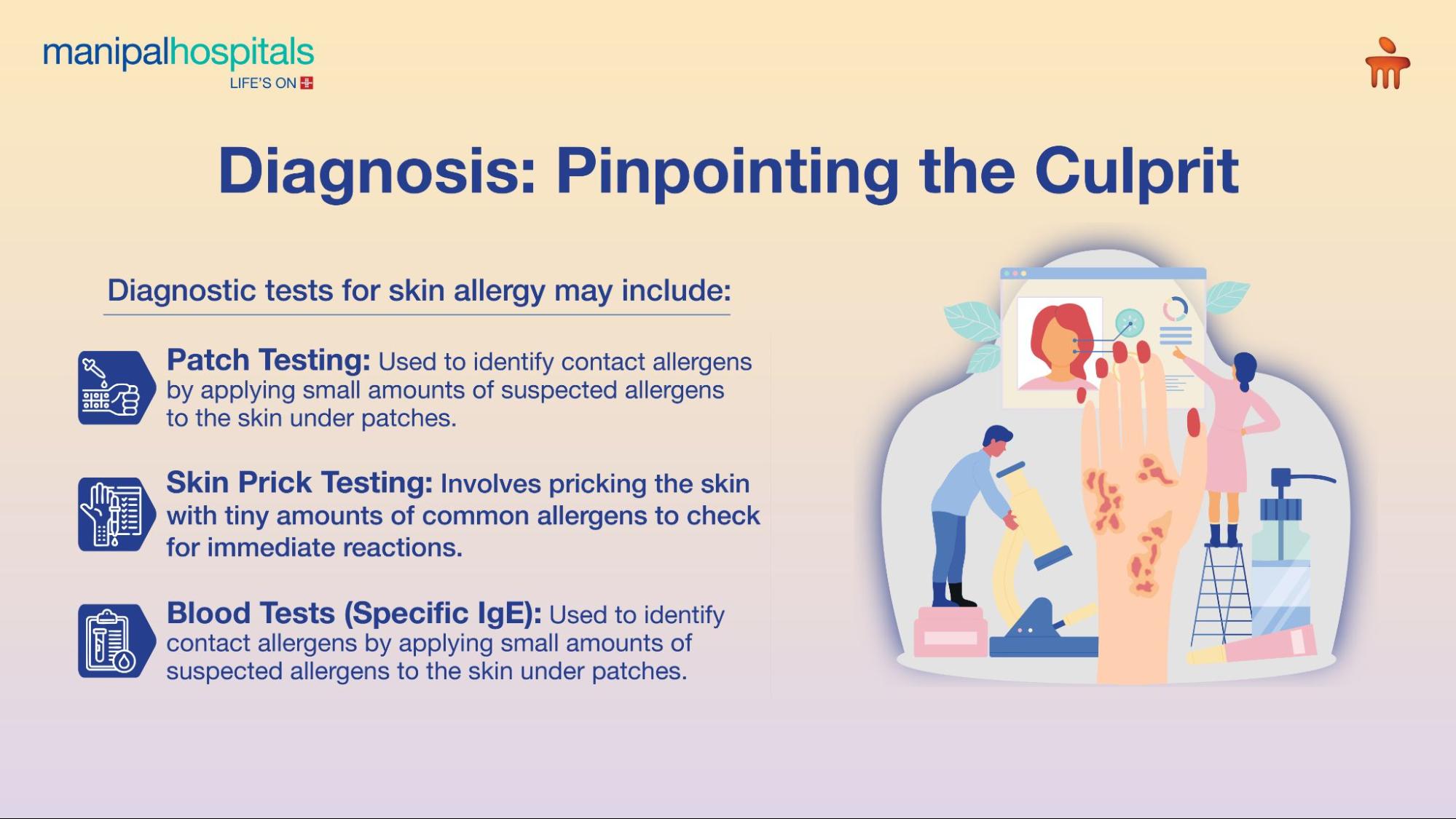
Genetic Predisposition
There is a strong genetic component to allergies. If one or both parents have allergies, their children are more likely to develop them. This predisposition makes individuals more susceptible to developing various types of skin allergies.
Types of Skin Allergies
While all skin allergies involve an immune response, they can be categorised into several distinct types based on their presentation and underlying mechanisms. Understanding these distinctions is vital for accurate diagnosis and tailored skin allergy treatment.
Contact Dermatitis
This is an inflammation of the skin caused by direct contact with an irritating substance or an allergen. It manifests as a red rash on the skin, itching, and sometimes blisters.
-
Allergic Contact Dermatitis: A delayed hypersensitivity reaction to an allergen, such as nickel, fragrances, or specific chemicals. The reaction often appears 24-72 hours after exposure.
-
Irritant Contact Dermatitis: More common, this is caused by contact with irritating substances like strong soaps, detergents, or solvents. It doesn't involve an immune response but rather direct damage to the skin barrier.
Atopic Dermatitis (Eczema)
A chronic, inflammatory skin allergy condition characterised by dry, itchy, and inflamed skin. It often begins in childhood and can persist into adulthood. Atopic dermatitis is strongly linked to other allergic conditions like asthma and hay fever. The itchy skin allergy associated with eczema can be severe, leading to scratching that further irritates the skin. While there's no cure, effective skin allergy treatment focuses on managing symptoms and preventing flare-ups. Approximately 1 in 5 children in the UK are affected by eczema.
Urticaria (Hives)
Urticaria, or skin hives, presents as raised, red, itchy welts that can appear anywhere on the body. Hives are typically transient, often disappearing within 24 hours from one area only to reappear in another. They can be triggered by allergies to food, medication, insect bites, or even physical stimuli like pressure, cold, or heat. Acute urticaria usually resolves within six weeks, but chronic urticaria can last for months or even years, significantly impacting quality of life. Advances in dermatological care have led to a 70% improvement in the quality of life for chronic allergy sufferers.
Angioedema
Similar to hives, angioedema involves deeper swelling in the skin, often around the eyes, lips, mouth, throat, or genitals. It can be painful rather than itchy and, in severe cases affecting the throat, can be life-threatening if it obstructs breathing. Angioedema often accompanies skin hives but can occur independently. It requires immediate medical attention, especially if swelling affects the airways.
Navigating Skin Allergy Treatment Options
Effective skin allergy treatment aims to relieve symptoms, prevent future reactions, and improve overall skin health. The approach often combines various strategies, from medication to lifestyle adjustments. Our expert dermatologists in Gurugram at Manipal Hospitals are adept at creating bespoke treatment plans for each patient.
Conventional Medical Treatments
-
Antihistamines: Oral antihistamines are often the first line of defence for itchy skin allergy and skin hives, blocking the effects of histamine and reducing itching and redness.
-
Topical Corticosteroids: Creams or ointments containing corticosteroids are effective at reducing inflammation, redness, and skin allergy itching. They should be used under medical supervision due to potential side effects with prolonged use.
-
Oral Corticosteroids: For severe or widespread reactions, a short course of oral corticosteroids may be prescribed to quickly bring inflammation under control.
-
Moisturisers (Emollients): Crucial for maintaining skin barrier function, especially in conditions like atopic dermatitis. They help soothe dry, irritated skin and reduce skin allergy itching.
-
Immunomodulators: For chronic or severe cases, particularly atopic dermatitis, non-steroidal creams (calcineurin inhibitors) or newer biologic medications may be prescribed to modulate the immune response.
-
Epinephrine Auto-injector: For individuals with a history of severe allergic reactions (anaphylaxis), an auto-injector is prescribed for emergency use.
Home Remedies for Skin Allergy / Skin Allergy Treatment at Home
While professional medical advice is essential, several home remedies for skin allergies can help alleviate mild symptoms and provide relief from skin allergy itching. These can complement prescribed skin allergy treatment at home:
-
Cool Compresses: Applying a cool, damp cloth to the affected area can help soothe red rash on the skin and reduce skin allergy itching.
-
Moisturisation: Regular use of fragrance-free, hypoallergenic moisturisers can help repair the skin barrier and prevent dryness, which often exacerbates itchy skin allergy.
-
Oatmeal Baths: Colloidal oatmeal added to a lukewarm bath can significantly calm inflamed and itchy skin allergies due to its anti-inflammatory properties.
-
Avoiding Triggers: The most effective home remedy is identifying and diligently avoiding known allergens. This is a cornerstone of managing any skin allergy. Keep a diary to track potential causes of skin allergy.
-
Loose, Cotton Clothing: Wearing soft, breathable fabrics can prevent irritation and allow the skin to heal.
conclusion
If you are experiencing persistent or worrying skin allergy symptoms, it's crucial to seek timely medical advice. Book an appointment with our expert dermatologist at Manipal Hospitals today.
FAQ's
A skin allergy is an immune system reaction to a specific allergen, leading to symptoms like a red rash on the skin, skin hives, and intense itching. General skin irritation, often called irritant contact dermatitis, is a direct chemical or physical damage to the skin without immune involvement.
Stress doesn't directly cause skin allergy, but it can certainly exacerbate existing conditions like eczema and skin hives, making symptoms like itchy skin allergy more severe or triggering flare-ups.
Home remedies for skin allergy can offer symptomatic relief for mild cases and support prescribed treatments. However, for moderate to severe or persistent skin allergy symptoms, professional medical intervention and prescribed skin allergy treatment are essential for proper management.
The duration varies greatly. Acute skin allergy reactions like skin hives can clear within hours or days once the allergen is removed. Chronic conditions like eczema can involve intermittent flare-ups lasting weeks or months, requiring ongoing management.
You should consult a doctor, particularly a dermatologist, if your skin allergy symptoms are severe, persistent, spread rapidly, interfere with daily life, or if home remedies for skin allergy are not effective.
Share this article on:


.webp "Dr. Salil Yadav | Robotic & Laparoscopic Surgery Specialist in Gurugram | Manipal Hospitals")