6 Min Read
A prostate biopsy is a diagnostic procedure performed to detect abnormalities within the prostate gland, particularly when prostate cancer is suspected. For many men, undergoing a prostate biopsy test can feel overwhelming due to uncertainty about how the procedure is carried out and what to expect. With guidance from experienced specialists such as our urologists in Gurugram, patients can better understand the purpose, safety, and process involved in a prostate biopsy.
This detailed guide explains how a prostate biopsy is performed, why it is recommended, potential risks, and recovery expectations. By understanding how a prostate biopsy is done, patients can approach the procedure with clarity and confidence.
Synopsis
- What Is a Prostate Biopsy?
- Why Is a Prostate Biopsy Recommended?
- How Is a Prostate Biopsy Done?
- Types of Prostate Biopsy
- What to Expect After a Prostate Biopsy
- Risks and Complications of Prostate Biopsy
- Accuracy of a Prostate Biopsy
- Emotional Preparation and Support
- When to Discuss Results with Your Doctor
What Is a Prostate Biopsy?
A prostate biopsy is a medical procedure in which small tissue samples are taken from the prostate gland for laboratory examination. The primary goal of a prostate biopsy test is to detect the presence of cancerous or abnormal cells.
A prostate cancer biopsy is usually advised when:
-
Prostate-Specific Antigen (PSA) levels are elevated
-
A digital rectal examination reveals abnormalities
-
Imaging tests suggest suspicious areas
A prostate needle biopsy is the most common method used to collect tissue samples. This technique allows doctors to extract multiple core samples for detailed microscopic analysis.
Understanding how a prostate biopsy is done helps patients reduce anxiety and prepare effectively for the procedure.
Why Is a Prostate Biopsy Recommended?
A prostate biopsy is recommended when screening tests indicate potential abnormalities. Elevated PSA levels do not always confirm cancer, but they warrant further evaluation through a prostate biopsy test.
A prostate cancer biopsy helps:
-
Confirm or rule out prostate cancer
-
Determine the aggressiveness of cancer cells
-
Guide treatment planning
-
Monitor suspicious changes over time
Doctors may also suggest a repeat prostate biopsy if previous results were inconclusive, but PSA levels remain high.
Consulting experienced specialists, including our urologists in Gurugram, ensures personalised evaluation and appropriate decision-making regarding the need for a prostate biopsy.
How Is a Prostate Biopsy Done?
Understanding how a prostate biopsy is done is one of the most common concerns among patients. The procedure is typically performed in a hospital or outpatient clinic.
Step 1: Preparation
Before a prostate biopsy, patients may:
-
Undergo blood tests
-
Stop certain medications such as blood thinners.
-
Take prescribed antibiotics to prevent infection.
-
Use an enema to clear the rectum.
These steps reduce the risk of complications during a prostate needle biopsy. Take the next Step towards better urological care.
Step 2: Positioning and Anaesthesia
During the prostate biopsy test, the patient lies on their side with knees bent towards the chest. Local anaesthesia is administered to numb the area and minimise discomfort.
Step 3: Imaging Guidance
Most prostate biopsy procedures are guided by transrectal ultrasound (TRUS) or MRI fusion imaging. This ensures accurate targeting of suspicious areas during a prostate cancer biopsy.
Step 4: Tissue Sampling
Using a thin, hollow needle, the doctor performs a prostate needle biopsy by extracting multiple small tissue samples. Typically, 10 to 12 cores are collected.
This step clarifies how a prostate biopsy is done in practical terms — quick, targeted sampling under imaging guidance.
Step 5: Completion
The entire prostate biopsy procedure usually takes 15–30 minutes. Patients are observed briefly before being discharged the same day.
Types of Prostate Biopsy
There are several approaches to a prostate biopsy, depending on clinical need:
Transrectal Prostate Needle Biopsy
This is the most common form of prostate needle biopsy, performed through the rectum.
Transperineal Prostate Biopsy
In this method, the needle is inserted through the skin between the scrotum and anus. It may reduce infection risk.
MRI-Guided Prostate Cancer Biopsy
Advanced imaging improves accuracy in detecting clinically significant cancer.
Each prostate biopsy test approach is selected based on patient-specific factors.
What to Expect After a Prostate Biopsy
After a prostate biopsy, mild side effects are common and usually temporary.
Typical post-procedure experiences include:
-
Mild discomfort
-
Blood in urine
-
Blood in stool
-
Blood in semen
-
Mild rectal bleeding
These symptoms generally resolve within a few days. Following instructions after a prostate needle biopsy helps ensure a smooth recovery.
Patients should seek medical attention if they experience fever, heavy bleeding, or difficulty urinating after the prostate biopsy.
Risks and Complications of Prostate Biopsy
While a prostate biopsy is generally safe, certain risks may occur.
Possible complications of a prostate biopsy test include:
-
Infection
-
Urinary retention
-
Severe bleeding
-
Allergic reaction to anaesthesia
Proper sterile technique and preventive antibiotics significantly reduce risks associated with a prostate cancer biopsy.
Understanding how a prostate biopsy is done also clarifies why infection prevention measures are essential.
Accuracy of a Prostate Biopsy
-
A prostate biopsy remains the gold standard for diagnosing prostate cancer. However, it is important to note that no test is 100% perfect.
-
A prostate needle biopsy samples specific areas, and occasionally, cancer may be missed. In such cases, repeat prostate biopsy test or advanced imaging may be recommended.
-
If a prostate cancer biopsy confirms malignancy, results also include the Gleason score, which indicates cancer aggressiveness.
Emotional Preparation and Support
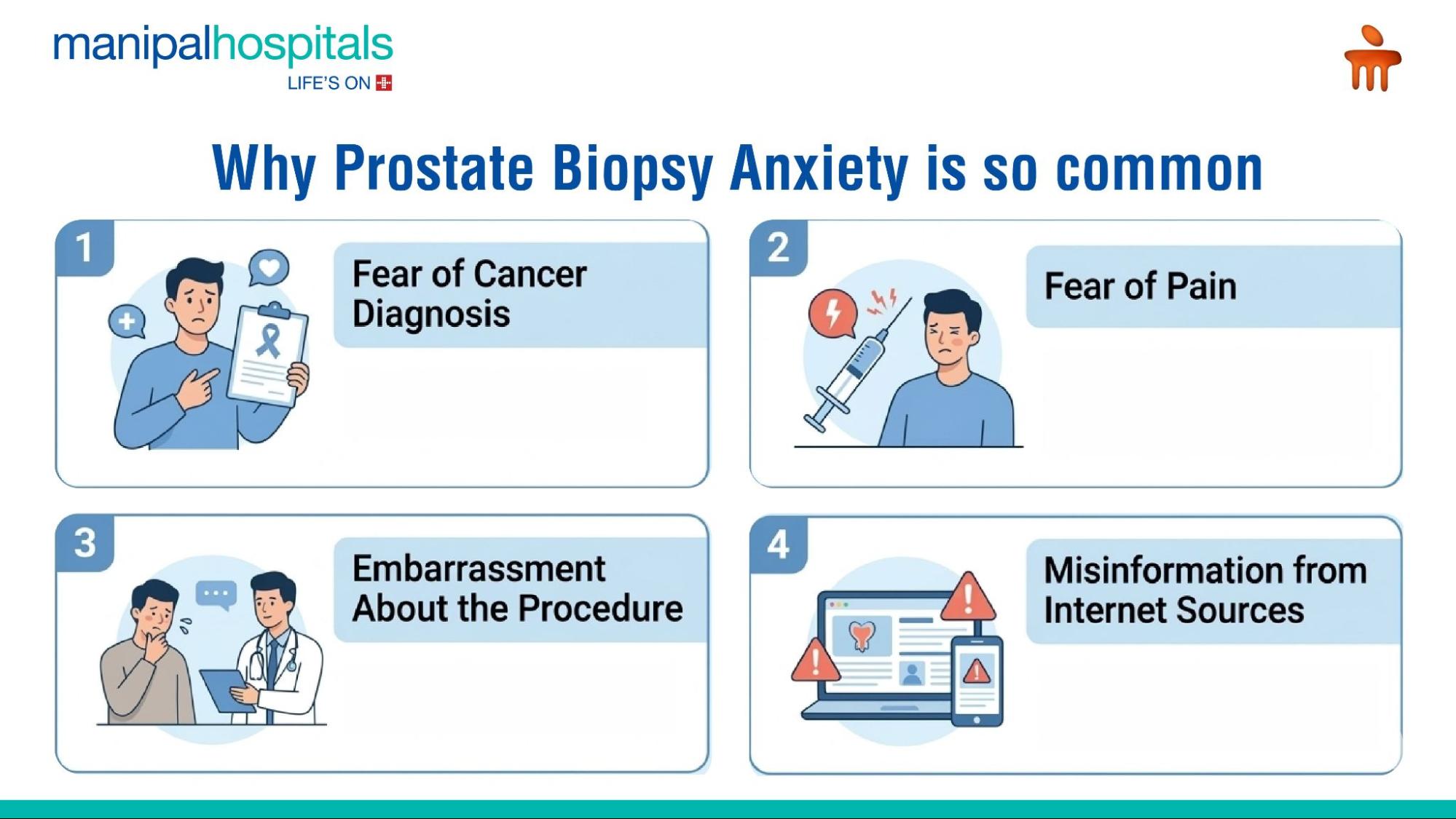
Undergoing a prostate biopsy can cause anxiety. Clear communication about how a prostate biopsy is done and understanding the purpose of a prostate biopsy test can ease concerns.
Professional counselling and consultation with experienced specialists, including our urologists in Gurugram, help patients make informed decisions and feel reassured throughout the process.
When to Discuss Results with Your Doctor
Biopsy results are usually available within 5–7 days. During follow-up, your doctor will explain findings from the prostate biopsy, including whether cancer cells were detected.
If the prostate cancer biopsy is negative, continued monitoring may still be recommended.
If positive, treatment options such as surgery, radiation therapy, or active surveillance will be discussed in detail.
FAQ's
A prostate biopsy is a procedure where small tissue samples are taken from the prostate gland to detect cancer or abnormal cells.
Understanding how a prostate biopsy is done involves imaging guidance, local anaesthesia, and sampling tissue using a prostate needle biopsy technique.
A prostate biopsy test is usually performed under local anaesthesia. Mild discomfort may occur, but is generally tolerable.
A prostate cancer biopsy may cause temporary bleeding, infection, or urinary difficulty, but serious complications are uncommon.
Most patients recover within a few days after a prostate needle biopsy, although minor symptoms may persist briefly.
Share this article on:


.webp "Dr. Salil Yadav | Robotic & Laparoscopic Surgery Specialist in Gurugram | Manipal Hospitals")