8 Min Read
A kidney transplant is often considered the most effective long-term treatment for end-stage kidney disease. Many patients and families frequently ask whether life can truly return to normal after surgery. Understanding the kidney transplant success rate, possible kidney transplant complications, and expected kidney transplant recovery time is essential when making informed decisions. With guidance from experienced specialists such as our nephrologists in Gurugram, patients can navigate the journey with confidence and realistic expectations.
Modern advances in surgical techniques, immunosuppressive therapy, and post-transplant monitoring have significantly improved outcomes. Today, the kidney transplant success rate is higher than ever, allowing many individuals to resume work, travel, exercise, and enjoy family life.
Synopsis
- Kidney Transplant Success Rate: What Do the Numbers Show?
- Kidney Transplant Recovery Time: What to Expect After Surgery
- Kidney Transplant Complications: Understanding the Risks
- Can You Live a Normal Life After a Kidney Transplant?
- Lifestyle Changes to Support Long-Term Success
- Emotional and Psychological Adjustment
- Factors That Influence Long-Term Kidney Transplant Success Rate
- When to Seek Immediate Medical Attention
- Advances Improving Kidney Transplant Outcomes
Kidney Transplant Success Rate: What Do the Numbers Show?
The kidney transplant success rate has steadily improved over the past two decades. Globally, one-year survival rates for transplanted kidneys exceed 90–95% in many centres, particularly when the donor is living and closely matched.
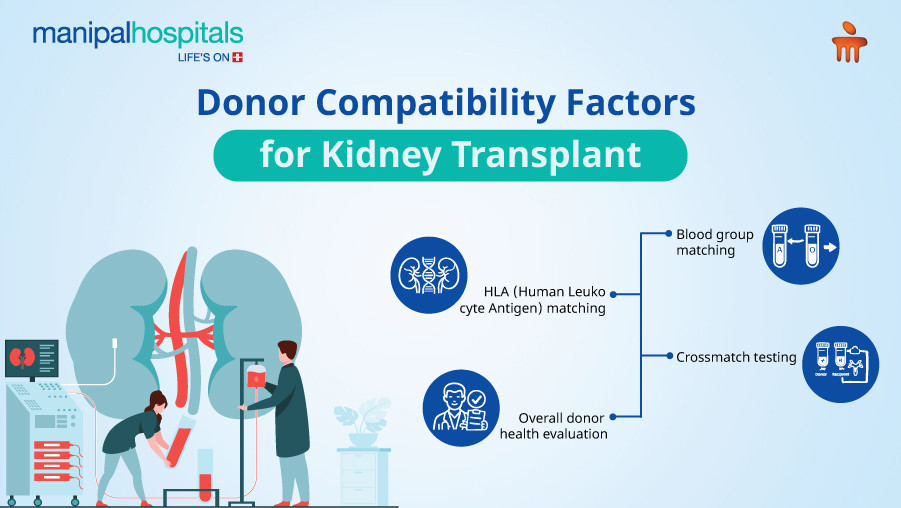
Several factors influence the kidney transplant success rate, including:
-
Donor compatibility
-
Recipient’s overall health
-
Adherence to medication
-
Early detection of rejection
-
Post-operative monitoring
A higher kidney transplant success rate is generally observed in patients who maintain strict follow-up care. Specialists closely monitor kidney function through blood tests and imaging to ensure sustained graft performance.
While statistics are encouraging, it is important to remember that individual outcomes vary. Consulting experienced teams, including our nephrologists in Gurugram, ensures personalised assessment of expected prognosis and the realistic kidney transplant success rate for each case.
Kidney Transplant Recovery Time: What to Expect After Surgery
Understanding the kidney transplant recovery time helps patients prepare physically and emotionally. Typically, a hospital stay ranges from 5 to 10 days after surgery, depending on recovery progress.
The overall kidney transplant recovery time can be divided into phases:
Immediate Post-Surgery Phase (First 2 Weeks)
During this stage, doctors closely monitor urine output, kidney function, and signs of infection. Fatigue is common, and physical activity remains limited.
Early Recovery Phase (First 3 Months)
The kidney transplant recovery time during this period focuses on stabilising immunosuppressive medication and preventing infection. Patients attend frequent follow-up visits.
Long-Term Recovery Phase (Beyond 3 Months)
As the kidney transplant recovery time progresses, most individuals gradually resume daily activities, including work and moderate exercise.
Although recovery differs between patients, adherence to medical advice significantly improves outcomes and supports long-term graft function.
Kidney Transplant Complications: Understanding the Risks
While outcomes are favourable, awareness of potential kidney transplant complications is crucial. No major surgery is entirely risk-free.
Common kidney transplant complications include:
-
Infection due to immunosuppression
-
Acute rejection
-
Delayed graft function
-
Blood clots
-
Surgical wound complications
Long-term kidney transplant complications may involve:
-
Chronic rejection
-
Cardiovascular disease
-
Bone thinning
-
Diabetes induced by medication.
Early recognition and treatment reduce the severity of kidney transplant complications. Regular blood testing and monitoring play a key role in maintaining graft health.
Despite possible kidney transplant complications, the overall kidney transplant success rate remains high, especially when patients comply with medication and lifestyle recommendations.
Can You Live a Normal Life After a Kidney Transplant?
One of the most encouraging aspects of transplantation is that many individuals return to a near-normal lifestyle. With a favourable kidney transplant success rate, patients often experience improved energy levels compared to dialysis.
After completing the primary kidney transplant recovery time, patients may:
-
Resume employment
-
Travel with precautions
-
Exercise regularly
-
Follow a balanced diet.
-
Plan family life
Managing potential kidney transplant complications through preventive care ensures sustained well-being.
Most importantly, quality of life significantly improves after successful transplantation. The restoration of kidney function reduces dietary restrictions and fluid limitations, contributing to greater freedom and independence.
Lifestyle Changes to Support Long-Term Success
Maintaining a high kidney transplant success rate requires ongoing commitment.
Medication Adherence
Immunosuppressants must be taken exactly as prescribed to prevent rejection and minimise kidney transplant complications.
Healthy Diet
A balanced diet supports overall health and may reduce cardiovascular risks associated with long-term transplantation.
Regular Monitoring
Routine check-ups allow early detection of issues that may affect the kidney transplant success rate.
Exercise
Gradual physical activity after the recommended kidney transplant recovery time improves cardiovascular fitness and mental well-being.
Close supervision by specialists, including our nephrologist in Gurugram, ensures safe and structured post-transplant care.
Emotional and Psychological Adjustment
The journey does not end after surgery. Emotional adaptation is part of the overall kidney transplant recovery time. Anxiety about rejection or kidney transplant complications is common during the initial months.
Support groups, counselling, and strong family networks help patients maintain confidence in their long-term kidney transplant success rate. Emotional well-being directly influences physical recovery.
Factors That Influence Long-Term Kidney Transplant Success Rate
Several elements determine sustained graft survival:
-
Donor type (living donor transplants often show higher kidney transplant success rate)
-
Early detection of kidney transplant complications
-
Timely medical intervention
-
Patient lifestyle discipline
Long-term studies show that many transplanted kidneys function well for 15–20 years or more, particularly when patients strictly follow medical advice.
When to Seek Immediate Medical Attention
Although most patients recover smoothly within the standard kidney transplant recovery time, certain symptoms require urgent consultation:
Fever
-
Reduced urine output
-
Sudden weight gain
-
Persistent swelling
-
Severe abdominal pain
These may indicate early kidney transplant complications. Prompt evaluation protects the graft and preserves the overall kidney transplant success rate.
Advances Improving Kidney Transplant Outcomes
Medical advancements continue to improve the kidney transplant success rate. Innovations include:
-
Improved tissue matching techniques
-
Safer immunosuppressive drugs
-
Minimally invasive surgical approaches
-
Enhanced infection control protocols
These developments reduce kidney transplant complications and optimise kidney transplant recovery time, enabling patients to return to routine life faster than before.
FAQ's
The average kidney transplant success rate exceeds 90% at one year in many centres, particularly with living donors and proper post-operative care.
The standard kidney transplant recovery time includes 1–2 weeks of hospital stay and several months of gradual physical recovery, with most patients resuming routine activities within 3 months.
Common kidney transplant complications include infection, acute rejection, blood clots, and medication side effects. Regular monitoring reduces serious risks.
Yes, many patients enjoy a normal and active life due to the high kidney transplant success rate, provided they follow medical advice carefully.
You can improve your kidney transplant success rate by taking medications consistently, attending regular follow-ups, maintaining a healthy lifestyle, and reporting symptoms early.
Share this article on:


.webp "Dr. Salil Yadav | Robotic & Laparoscopic Surgery Specialist in Gurugram | Manipal Hospitals")