7 Min Read
Gout, a common and complex form of arthritis, can strike suddenly, causing intense pain, swelling, redness, and tenderness in the joints. Often affecting the big toe, it can also manifest in other joints like the ankle, knee, elbow, wrist, and fingers. At Manipal Hospitals, including our advanced orthopaedics in Gurugram, we are dedicated to providing comprehensive care and effective gout treatment. Our expert in orthopaedics in Gurugram is equipped to diagnose and manage this condition, helping you achieve a better quality of life.
Understanding gout is the first step towards effective management. This condition arises from an accumulation of uric acid crystals in the joints, leading to painful inflammation. With a global prevalence affecting over 2% of adults, it's a condition that demands attention and proper medical intervention.
Synopsis
What is Gout?
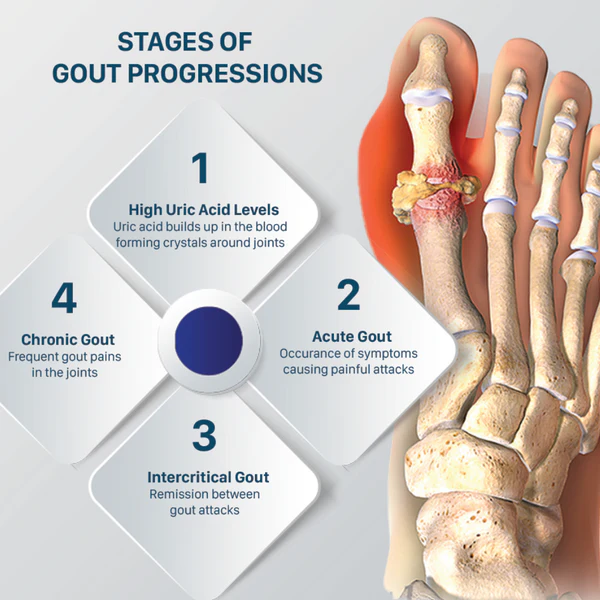
Gout is a type of inflammatory arthritis characterised by recurrent attacks of acute inflammatory arthritis—a red, tender, hot, and swollen joint. It is caused by elevated levels of uric acid in the blood, a condition known as hyperuricemia. When uric acid levels become too high, it can form sharp, needle-like crystals in and around the joints, triggering intense pain and inflammation.
The Role of Uric Acid
Uric acid is a natural waste product formed from the breakdown of purines, substances found in many foods and also produced by the body. Normally, uric acid dissolves in the blood, passes through the kidneys, and is eliminated in urine. However, if the body produces too much uric acid or the kidneys excrete too little, it can build up, leading to hyperuricemia and potentially gout. While not everyone with hyperuricemia develops gout, it significantly increases the risk.
Understanding Gout Causes
Several factors contribute to the development of gout, primarily revolving around the body's handling of uric acid. Recognising these gout causes is crucial for prevention and effective management.
Some of the primary gout causes include:
-
Dietary Factors: Consuming foods rich in purines, such as red meat, organ meats (liver, kidneys), seafood (especially shellfish, anchovies, sardines), and high-fructose corn syrup-sweetened beverages, can increase uric acid levels. Alcohol, particularly beer, is also a significant contributor.
-
Genetics: A family history of gout can increase your risk, suggesting a genetic predisposition to elevated uric acid levels or impaired uric acid excretion.
-
Medical Conditions: Certain health issues are associated with an increased risk of gout. These include obesity, high blood pressure, diabetes, metabolic syndrome, and kidney disease, which can impair the body's ability to excrete uric acid.
-
Medications: Some medications can elevate uric acid levels. These include certain diuretics (often used for high blood pressure), low-dose aspirin, and some immunosuppressants.
-
Gender and Age: Gout is more common in men, typically developing between the ages of 30 and 50. In women, the risk increases after menopause, as oestrogen helps the kidneys excrete uric acid.
Recognising Gout Symptoms
Gout attacks often occur suddenly, frequently at night, and without warning. The most common gout symptoms are intense and can be debilitating. Prompt recognition of these uric acid symptoms is key to early intervention and effective gout treatment.
Typical gout symptoms include:
-
Acute Joint Pain: This is the hallmark symptom, often affecting the big toe. The pain can be excruciating, described as throbbing, crushing, or burning, and is usually most severe within the first 12 to 24 hours of onset.
-
Swelling: The affected joint becomes noticeably swollen and puffy due to inflammation and fluid accumulation.
-
Redness: The skin over the affected joint turns red or purplish-red, indicating significant inflammation.
-
Tenderness: Even a light touch or the weight of a bedsheet can be unbearable on the affected joint.
-
Warmth: The inflamed joint feels hot to the touch.
-
Limited Range of Motion: As the attack progresses, movement in the affected joint becomes stiff and difficult.
-
Tophi: In chronic or untreated gout, uric acid crystals can form deposits under the skin, called tophi. These small, chalky nodules are usually painless but can cause joint damage and deformity. They typically appear on fingers, toes, elbows, or ears.
It's important to note that without proper gout treatment, these attacks can recur more frequently and affect multiple joints over time, leading to chronic arthritis and potential joint damage. Early diagnosis and consistent management are critical.
Effective Gout Treatment and Uric Acid Management
The goals of gout treatment are to relieve the pain and inflammation of acute attacks, prevent future flares, and reduce the risk of long-term complications like joint damage and tophi formation. Our approach focuses on comprehensive uric acid management.
Over 80% of gout patients experience significant relief and improved quality of life with consistent treatment and lifestyle modifications. Approximately 70% of individuals can achieve target uric acid levels within six months of starting appropriate medication and following dietary advice.
Don’t let gout pain affect your daily life—get advanced orthopaedic care in Gurugram and start your journey towards lasting relief today.
Acute Flare Management
During a sudden gout attack, the focus is on rapid pain relief and reducing inflammation:
-
Pain Relief: Your doctor may prescribe medications to quickly alleviate pain and inflammation.
-
Anti-Inflammatory Agents: These help reduce the swelling and redness associated with the flare.
-
Rest and Elevation: Resting the affected joint and elevating it can help reduce swelling and discomfort.
-
Ice Packs: Applying ice packs to the joint for short periods can provide symptomatic relief.
Long-Term Uric Acid Management
Preventing future gout attacks and managing uric acid levels is a long-term strategy involving lifestyle changes and, for many, medication:
Lifestyle Modifications:
-
Dietary Adjustments: Limiting high-purine foods, reducing alcohol intake (especially beer), and avoiding sugary drinks are crucial. Emphasise a diet rich in fruits, vegetables, whole grains, and low-fat dairy.
-
Hydration: Drinking plenty of water helps the kidneys flush out uric acid.
-
Weight Management: Achieving and maintaining a healthy weight can significantly lower uric acid levels and reduce the strain on joints. Studies show that a 5-10% body weight reduction can decrease gout flare-ups by up to 30%.
-
Regular Exercise: Moderate physical activity helps with weight management and overall joint health.
Medications to Lower Uric Acid: For many patients, lifestyle changes alone may not be sufficient. Your doctor may prescribe medications that either reduce the body's production of uric acid or improve the kidneys' ability to excrete it. These medications are typically taken long-term to keep uric acid levels in a healthy range (usually below 6 mg/dL).
Regular Monitoring: Regular blood tests to monitor uric acid levels are essential to ensure the treatment plan is effective and to make any necessary adjustments.
FAQ's
The main cause of gout is hyperuricemia, an excessive amount of uric acid in the blood. This leads to the formation of uric acid crystals in the joints, triggering inflammation and pain.
While there isn't a permanent "cure" for gout in the sense that it completely disappears, it is highly manageable. With proper gout treatment, including lifestyle changes and medication, most individuals can prevent future attacks and live symptom-free lives.
It's advisable to limit or avoid high-purine foods like red meat, organ meats (liver, kidneys), certain seafood (shellfish, anchovies, sardines), and foods high in fructose like sugary drinks. Alcohol, especially beer, should also be limited.
An untreated gout attack can last anywhere from a few days to several weeks. With appropriate medication and management, the severity and duration can be significantly reduced.
Yes, there can be a genetic component to gout. If you have a family history of gout, your risk of developing the condition may be higher.
Share this article on:


-Surgery-for-Knee-and-Shoulder-Pain.webp "Keyhole Surgery for Knee and Shoulder Pain: Benefits, Procedure, and Recovery Guide")


.webp "Dr. Salil Yadav | Robotic & Laparoscopic Surgery Specialist in Gurugram | Manipal Hospitals")