6 Min Read
Kidney stones, those tiny yet incredibly painful mineral deposits that form in the kidneys, are a growing concern for many. While genetics and certain medical conditions play a role, the good news is that diet stands as one of our most powerful tools in preventing their formation and recurrence. At Manipal Hospitals, our dedicated team, including our expert urologists in Gurugram, consistently emphasise the profound impact of nutrition on kidney health. Indeed, studies show that effective dietary management can reduce the risk of kidney stone recurrence by up to 80% and can even prevent up to 90% of first-time cases in at-risk individuals when adhered to consistently. Understanding which foods to avoid kidney stones is not just about restriction; it's about making informed choices for long-term well-being and maintaining optimal kidney health.
This comprehensive guide delves into the dietary strategies crucial for kidney stone prevention, offering practical advice on which foods to avoid kidney stones and what to embrace for a healthier future. Empowering our patients with knowledge is the first step towards a life free from the discomfort and complications of kidney stones.
Synopsis
Understanding Kidney Stones: Types and Causes
Before we explore the specifics of foods to avoid kidney stones, it’s vital to understand what kidney stones are and why they form. These hard deposits are made of minerals and salts that crystallise inside the kidneys. The most common types include:
-
Calcium Oxalate Stones: Accounting for about 80% of all kidney stones, these form when calcium and oxalate combine in the urine. High levels of both substances, often influenced by diet, can contribute to their formation. Understanding oxalate-rich foods is key here.
-
Calcium Phosphate Stones: Less common, these are also calcium-based but form in more alkaline urine.
-
Uric Acid Stones: These develop when there's too much uric acid in the urine, often linked to diets high in purines, dehydration, or conditions like gout. This is where dietary modifications can significantly help prevent the causes of kidney stones.
-
Struvite Stones: These are typically associated with urinary tract infections.
-
Cystine Stones: A rare type caused by a genetic disorder that leads to excessive cystine in the urine.
The primary causes of kidney stones often include insufficient fluid intake, dietary imbalances, certain medical conditions, and family history. Recognising these factors helps tailor an effective prevention strategy, heavily revolving around dietary adjustments.
The Role of Diet in Preventing Kidney Stones
Diet plays a pivotal role in regulating the levels of stone-forming substances in your urine. By carefully managing what you eat and drink, you can significantly alter your urine's chemical composition, making it less conducive for stones to form. This preventative approach is highly effective; for instance, studies show that patients who strictly adhere to dietary guidelines can reduce their risk of recurrent stones by 60-70% over five years. Focusing on foods to avoid kidney stones, alongside incorporating kidney-friendly foods, forms the cornerstone of effective prevention and maintaining excellent kidney health.
Key Foods to Avoid Kidney Stones (Calcium Oxalate Type)
Given that calcium oxalate stones are the most prevalent, managing your intake of oxalate-rich foods is often the first step in prevention. However, it's a delicate balance; while oxalate contributes to stone formation, many oxalate-rich foods are otherwise healthy. The goal is not complete avoidance, but moderation and smart pairing.
High-Oxalate Vegetables:
-
Spinach, Rhubarb, Beets: These are among the highest in oxalate. While nutritious, if you're prone to oxalate stones, moderation is key. A serving of spinach, for example, can contain over 650mg of oxalate.
-
Swiss Chard, Kale (in large amounts): Also contributors.
Tip: Cooking oxalate-rich vegetables can slightly reduce their oxalate content, but boiling is most effective as some oxalate leaches into the water. Pairing them with calcium-rich foods can also help, as calcium binds to oxalate in the gut before it can reach the kidneys.
Certain Nuts and Seeds:
-
Almonds, Cashews, Peanuts, Walnuts: These delicious snacks can be high in oxalate. For instance, almonds contain around 450mg of oxalate per 100g.
-
Peanut Butter: Also significant.
Tip: Enjoy these in smaller portions, and consider alternatives like pumpkin seeds or flax seeds, which are lower in oxalate.
Legumes:
-
Soy Products (Tofu, Soy Milk): While excellent protein sources, they can be moderately high in oxalate.
-
Beans (e.g., Baked Beans): Some varieties have moderate oxalate levels.
Fruits:
-
Berries (Raspberries, Blackberries): Contain moderate oxalate.
-
Dried Fruits (Prunes, Figs, Dates): The concentration process makes them higher in oxalate.
-
Grapefruit: Some studies suggest grapefruit juice might increase stone risk in some individuals.
Navigating foods to avoid kidney stones, especially oxalate-rich ones, requires a balanced perspective. It's about reducing overall oxalate load while ensuring you still get essential nutrients. Around 40% of patients following a low-oxalate diet report a reduction in stone recurrence, highlighting its effectiveness.
Dietary Considerations for Uric Acid Stones
For those prone to uric acid stones, the focus shifts to purine intake. Purines are natural substances found in foods that convert into uric acid in the body. High levels of uric acid can lead to stone formation.
High-Purine Animal Proteins:
Red Meat and Organ Meats (Liver, Kidney, Sweetbreads): These are particularly high in purines. Limiting their consumption can significantly lower uric acid levels.
Shellfish (Shrimp, Mussels, Scallops) and Certain Fish (Sardines, Anchovies): Also rich in purines.
Tip: Aim for moderate protein intake from lean sources like chicken breast, fish (other than high-purine types), and plant-based proteins.
Managing purine intake, alongside ensuring adequate hydration, is critical for preventing uric acid stones. Studies indicate that reducing high-purine foods can lower uric acid levels by 10-15%, making a tangible difference in stone prevention.
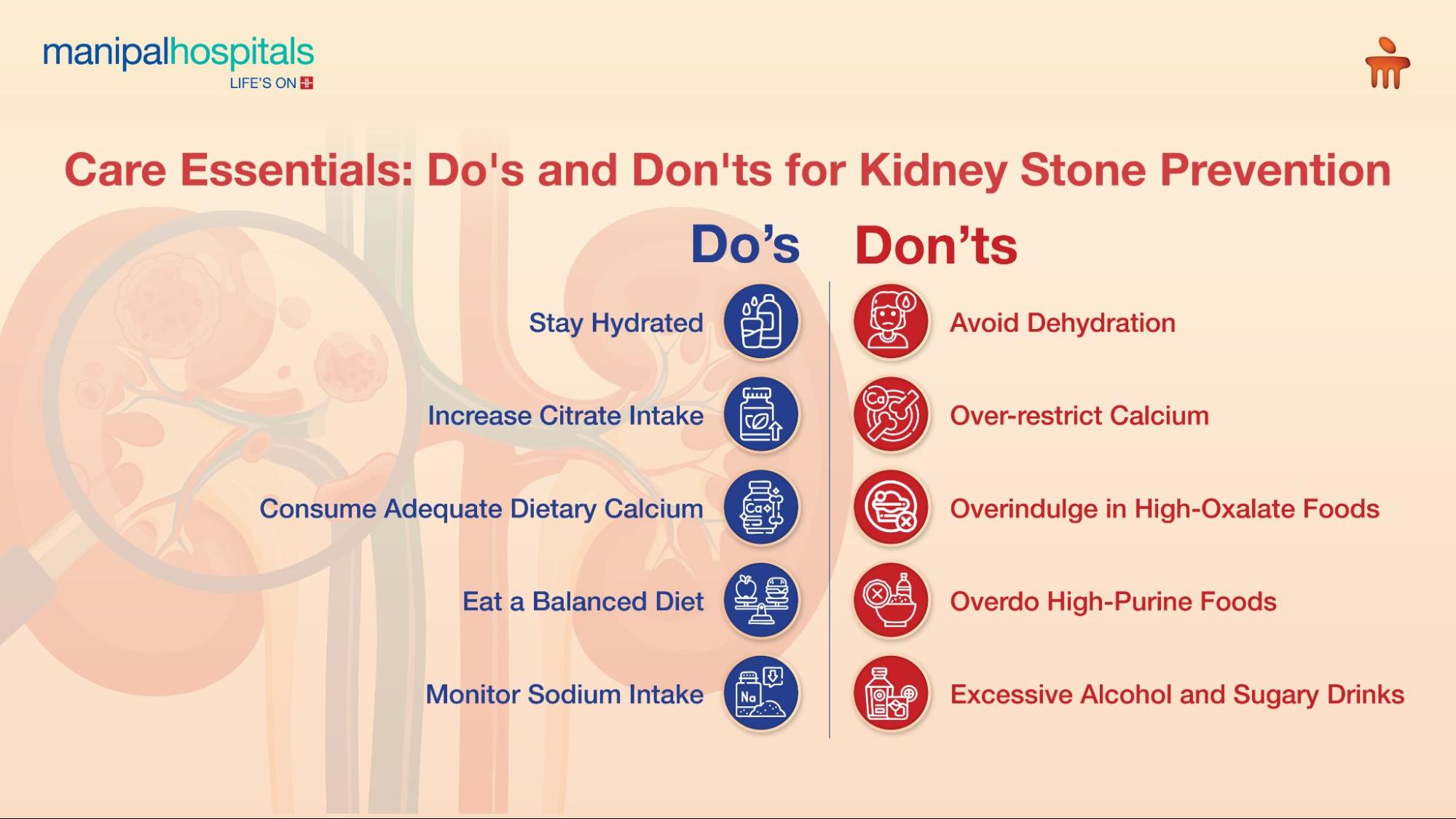
Kidney-Friendly Foods for Prevention and Kidney Health
While discussing foods to avoid for kidney stones, it’s equally important to highlight what you should eat to promote optimal kidney health and actively prevent stone formation. Incorporating these kidney-friendly foods into your diet can significantly boost your defence against stones.
Hydration is Paramount:
Water: The single most important preventative measure. Aim for at least 2-3 litres of water daily to dilute stone-forming substances in your urine. This simple habit can decrease stone risk by 50%. Our urologists in Gurugram always stress the importance of adequate hydration.
Lemon Juice: Citrate, found abundantly in lemons, can help prevent calcium stones by binding to calcium in the urine and inhibiting crystal growth. Adding fresh lemon slices to your water is a great strategy.
Adequate Calcium Intake:
-
Dairy Products (Milk, Yoghurt, Cheese): Contrary to popular belief, sufficient dietary calcium is essential. It binds with oxalate in the gut, preventing its absorption and subsequent excretion by the kidneys. Aim for 1000-1200 mg of calcium daily from food sources.
-
Calcium-Fortified Foods: Such as fortified plant milks.
Note: Calcium supplements should be taken with caution and under medical guidance, as they can sometimes increase stone risk if not absorbed properly or taken without food.
Fruits and Vegetables:
-
Citrus Fruits (Oranges, Limes): Rich in citrate, they help prevent stone formation.
-
Low-Oxalate Vegetables (Cabbage, Cauliflower, Broccoli, Mushrooms): Offer essential nutrients without contributing significantly to oxalate load.
-
Bananas: A good source of potassium, which can help reduce calcium excretion in urine.
A diverse intake of fruits and vegetables (at least 5 servings daily) provides valuable vitamins, minerals, and fibre, supporting overall kidney health.
Lean Proteins:
Chicken, Fish (low-purine varieties), Tofu, Lentils: Provide necessary protein without excessive purines or impact on urinary calcium.
Whole Grains (in moderation):
-
Oats, Brown Rice: Provide fibre and nutrients.
Adopting these kidney-friendly foods into your daily routine is a proactive step towards effective kidney stone prevention. It's not just about what to avoid, but what to actively choose for a healthier urinary system.
Conclusion
Adopting these kidney-friendly foods into your daily routine is a proactive step towards effective kidney stone prevention. It's not just about what to avoid, but what to actively choose for a healthier urinary system.
If you are experiencing symptoms suggestive of kidney stones or have a history of them, it's crucial to seek timely medical advice. Book an appointment with our expert urologists at Manipal Hospitals today for a personalised diagnosis and treatment plan. Get expert care at the Advanced Urology Department at Manipal Hospitals, Gurugram.
FAQ's
No, this is a common misconception. Adequate dietary calcium is crucial. When consumed with meals, calcium binds to oxalate in the gut, preventing its absorption and excretion by the kidneys. Low calcium intake can actually increase your risk of calcium oxalate stones.
The general recommendation is to drink enough water to produce at least 2 to 2.5 litres of urine per day. This usually translates to consuming about 2-3 litres (8-12 glasses) of fluids daily. The best indicator is urine colour; aim for pale yellow or clear urine.
Yes, lemon juice is highly beneficial. It contains citrate, a natural inhibitor of kidney stone formation. Citrate can prevent calcium from binding with other minerals and can even break up small stones. Adding half a cup of concentrated lemon juice to your daily water intake can be very effective.
Not all nuts. Many nuts are high in oxalate, especially almonds, cashews, and peanuts. If you are prone to calcium oxalate stones, these should be consumed in moderation. However, some nuts like pecans and walnuts have lower oxalate levels, and pumpkin seeds or flax seeds are good low-oxalate alternatives.
The single most impactful dietary change is increasing your fluid intake, primarily water. Diluting your urine prevents minerals from becoming too concentrated and forming stones. Combined with moderating high-oxalate foods and reducing high-purine foods (for uric acid stones), this forms a robust prevention strategy.
Share this article on:


-Surgery-for-Knee-and-Shoulder-Pain.webp "Keyhole Surgery for Knee and Shoulder Pain: Benefits, Procedure, and Recovery Guide")


.webp "Dr. Salil Yadav | Robotic & Laparoscopic Surgery Specialist in Gurugram | Manipal Hospitals")