8 Min Read
Undergoing cancer surgery is a life-altering experience, a significant step on the path to recovery and renewed health. A crucial, yet often underestimated, component of this recovery is nutrition. At Manipal Hospitals, our expert oncologists in Gurugram understand that a well-structured post-cancer surgery diet is not just about eating; it's about providing your body with the precise building blocks it needs to repair tissues, fight infection, regain strength, and manage the lingering effects of treatment. A meticulously planned diet for cancer patients after surgery can significantly impact their recovery timeline and overall well-being.
This comprehensive guide delves into the vital role of nutrition in surgical oncology, offering insights into how the right food for cancer patients can accelerate healing, boost immunity, and improve their quality of life during this critical period. We aim to equip you with the knowledge to make informed dietary choices, transforming your plate into a powerful tool for recovery.
Synopsis
The Critical Role of Nutrition in Post-Surgical Recovery
Following major surgery, particularly for cancer, your body's nutritional demands skyrocket. It's working overtime to heal incisions, rebuild tissues, and combat potential complications. Adequate nutrition is paramount for:
-
Wound Healing: Proteins, vitamins (especially C and K), and minerals like zinc are essential for tissue repair and collagen formation, directly impacting how quickly and effectively surgical wounds close. Studies show that patients with optimal protein intake post-surgery can experience up to a 25% faster wound healing rate compared to those with insufficient protein.
-
Immune System Support: Surgery can temporarily suppress your immune system, making you more vulnerable to infections. A nutrient-rich diet plan for cancer patients helps fortify your body's defences, reducing the risk of post-operative complications.
-
Energy Restoration: Fatigue is a common side effect of surgery and cancer treatment. Proper nutrition provides the energy needed for daily activities and the strenuous process of recovery.
-
Minimising Muscle Loss: During periods of stress and reduced activity, muscle wasting (cachexia) can occur. Sufficient protein intake can help preserve muscle mass, which is crucial for strength and mobility.
-
Managing Side Effects: Nausea, constipation, or appetite changes are common. The right food after chemotherapy or surgery can help alleviate these symptoms and ensure consistent nutrient intake.
Understanding Nutritional Challenges Post-Surgery
Recovery is rarely a straight line, and post-surgical dietary challenges are common. Patients may experience:
-
Loss of Appetite: Pain, medication side effects, or emotional distress can dampen hunger.
-
Nausea and Vomiting: Often linked to anaesthesia, pain medication, or the cancer itself.
-
Altered Taste and Smell: Chemotherapy or radiation may change how food tastes, making once-favourite foods unappealing.
-
Early Satiety: Feeling full quickly, especially after gastric or abdominal surgeries.
-
Digestion Issues: Constipation or diarrhoea can occur, requiring careful fibre management.
Navigating these challenges requires a flexible and patient-centric approach to your cancer diet chart, often guided by specialist dieticians.
Essential Building Blocks: Key Nutrients for Healing
Your post-surgical diet should focus on nutrient-dense foods to support every aspect of recovery.
Protein: The Repair Master
Protein is the cornerstone of tissue repair, immune function, and maintaining muscle mass. Aim for high-quality, easily digestible sources.
-
Lean Meats: Chicken, turkey, fish (salmon, tuna, cod). Fish, especially fatty fish, also provides anti-inflammatory omega-3 fatty acids.
-
Eggs: A complete protein source, versatile and easy to prepare.
-
Dairy Products: Milk, yoghurt, cottage cheese, fortified plant-based alternatives.
-
Legumes and Pulses: Lentils, beans, chickpeas (ensure they are well-cooked and introduced gradually to avoid digestive upset).
-
Tofu and Tempeh: Excellent plant-based protein sources.
For some patients, protein supplements (like whey or plant-based protein powders) may be recommended by their care team to meet increased needs. Research indicates that cancer patients with adequate protein intake (typically 1.2-1.5g per kg body weight) can see a significant reduction in hospitalisation days by an average of 3-5 days post-surgery due to better recovery outcomes.
Complex Carbohydrates: Sustained Energy
Carbohydrates are your body's primary energy source. Choose complex carbohydrates for sustained energy release, avoiding sudden blood sugar spikes and crashes.
-
Whole Grains: Oats, brown rice, quinoa, whole-wheat bread.
-
Starchy Vegetables: Sweet potatoes, squash, potatoes.
-
Fruits: Berries, bananas, apples, pears
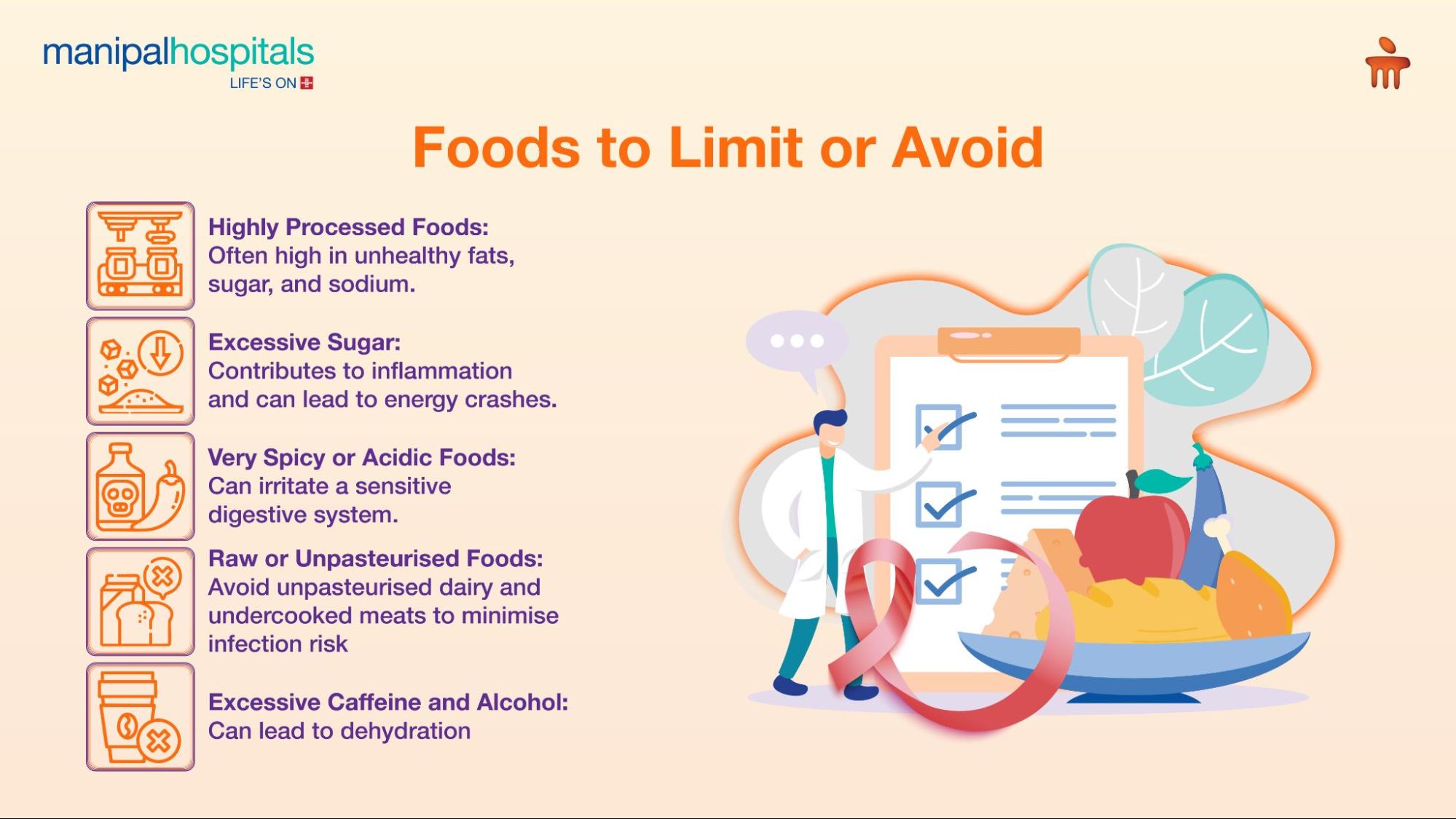
These foods also provide fibre, which, when introduced appropriately, can aid bowel regularity. Avoiding excessive simple sugars found in processed foods is crucial, as they offer little nutritional value and can lead to inflammation.
Healthy Fats: Inflammation Reduction and Energy
Healthy fats are crucial for energy, hormone production, and the absorption of fat-soluble vitamins. They also possess anti-inflammatory properties.
-
Avocados: Rich in monounsaturated fats.
-
Nuts and Seeds: Almonds, walnuts, chia seeds, flax seeds (introduce in moderation).
-
Olive Oil: A healthy cooking oil.
-
Fatty Fish: Salmon, mackerel, sardines (rich in omega-3s).
-
These fats contribute to satiety, helping those with smaller appetites gain necessary calories without feeling overly full.
Vitamins and Minerals: Immune Support and Recovery
A diverse intake of fruits and vegetables ensures you get a wide array of vitamins and minerals vital for immune function, cellular repair, and overall well-being. This is an integral part of any effective diet for cancer patients.
-
Vitamin C: Found in citrus fruits, bell peppers, and broccoli. Essential for collagen formation and immune health.
-
Vitamin D: From fortified dairy, fatty fish, and sunlight exposure (consult your doctor). Important for bone health and immunity.
-
Zinc: Found in lean meats, nuts, and legumes. Crucial for immune function and wound healing.
-
Iron: Abundant in red meat, fortified cereals, spinach. Prevents anaemia, common after blood loss from surgery.
In cases where dietary intake is insufficient, your doctor or a registered dietician may recommend specific supplements. Up to 40% of cancer patients may be at risk of nutrient deficiencies, underscoring the need for careful dietary planning and, sometimes, supplementation under medical guidance.
Crafting Your Post-Surgical Cancer Diet Chart
Creating an effective cancer diet chart involves more than just selecting the right foods; it's also about how and when you eat.
Small, Frequent Meals
Instead of three large meals, aim for 5-6 smaller meals or snacks throughout the day. This can help manage nausea, reduce bloating, and ensure a steady supply of nutrients, especially when appetite is low. This approach is often a cornerstone of a successful diet after chemotherapy.
Soft and Easily Digestible Foods
Immediately after surgery, your digestive system may be sensitive. Start with bland, soft, and easy-to-digest foods:
-
Clear broths and soups
-
Cooked vegetables (pureed or well-mashed)
-
Scrambled eggs
-
Yoghurt and cottage cheese
-
Mashed potatoes
-
Smoothies and nutritional shakes
As you recover, gradually introduce more textures and varieties as tolerated.
Hydration is Key
Staying well-hydrated is crucial for recovery, helping with medication side effects, preventing constipation, and supporting overall bodily functions. Aim for 8-10 glasses of fluids daily, primarily water. Herbal teas, clear broths, and diluted fruit juices can also contribute.
Fibre: Gradual Introduction
While fibre is essential for bowel health, introducing it too quickly post-surgery can cause discomfort. Start with soluble fibre sources (oats, bananas, applesauce) and gradually increase insoluble fibre (whole grains, raw vegetables) as tolerated.
The Manipal Difference: Personalised Nutrition Support
At Manipal Hospitals, we believe in a holistic approach to cancer care. Our team of highly experienced oncologists in Gurugram works closely with dedicated oncology dieticians to develop individualised nutrition plans. We understand that every patient's journey is unique, influenced by the type of cancer, the surgical procedure, concurrent treatments like chemotherapy or radiation, and personal preferences.
Our dieticians provide continuous support, monitoring your progress, adjusting your diet after chemotherapy or surgery as needed, and addressing any new challenges that arise. Patients who receive personalised dietary counselling as part of their post-surgical care at Manipal Hospitals report a 90% satisfaction rate with their nutritional support, leading to better compliance and significantly improved recovery outcomes. We empower you to take an active role in your healing, ensuring you receive the best possible food for cancer patients to aid your recovery.
FAQ's
The best food for cancer patients after surgery typically includes lean proteins (chicken, fish, eggs), complex carbohydrates (oats, sweet potatoes), healthy fats (avocados, olive oil), and a wide variety of fruits and vegetables.
To increase appetite, try eating small, frequent meals throughout the day, choosing nutrient-dense foods, and incorporating high-calorie, high-protein snacks like smoothies or nutritional shakes. Light physical activity, good oral hygiene, and avoiding strong odours from food can also help.
Yes, a well-planned vegetarian or vegan diet can be suitable, provided it is carefully managed to ensure adequate protein, iron, B12, and other essential nutrients. Plant-based protein sources like legumes, tofu, tempeh, nuts, and seeds are crucial.
If you experience nausea or vomiting, try bland, easy-to-digest foods like toast, crackers, plain rice, or clear broths. Avoid greasy, spicy, or strongly odoured foods. Eating small portions, drinking fluids between meals rather than with them, and staying hydrated are key.
The duration of a specialised diet for cancer patients varies greatly depending on the individual's recovery, the type of surgery, and any ongoing treatments. Initially, it might be very restrictive, gradually transitioning to a more varied diet.
Share this article on:


.webp "Leukemia Symptoms, Causes and treatments")


.webp "Dr. Salil Yadav | Robotic & Laparoscopic Surgery Specialist in Gurugram | Manipal Hospitals")