6 Min Read
A kidney transplant is a life-changing procedure that restores kidney function and significantly improves quality of life. However, the success of the transplant does not depend on surgery alone. Nutrition plays a critical role in healing, preventing infections, and protecting the transplanted kidney. Following a medically guided diet after a kidney transplant helps the body adapt to immunosuppressive medications and supports long-term graft health. Under the guidance of our nephrologists in Gurugram, patients receive personalised nutritional advice that aligns with their recovery needs and lifestyle.
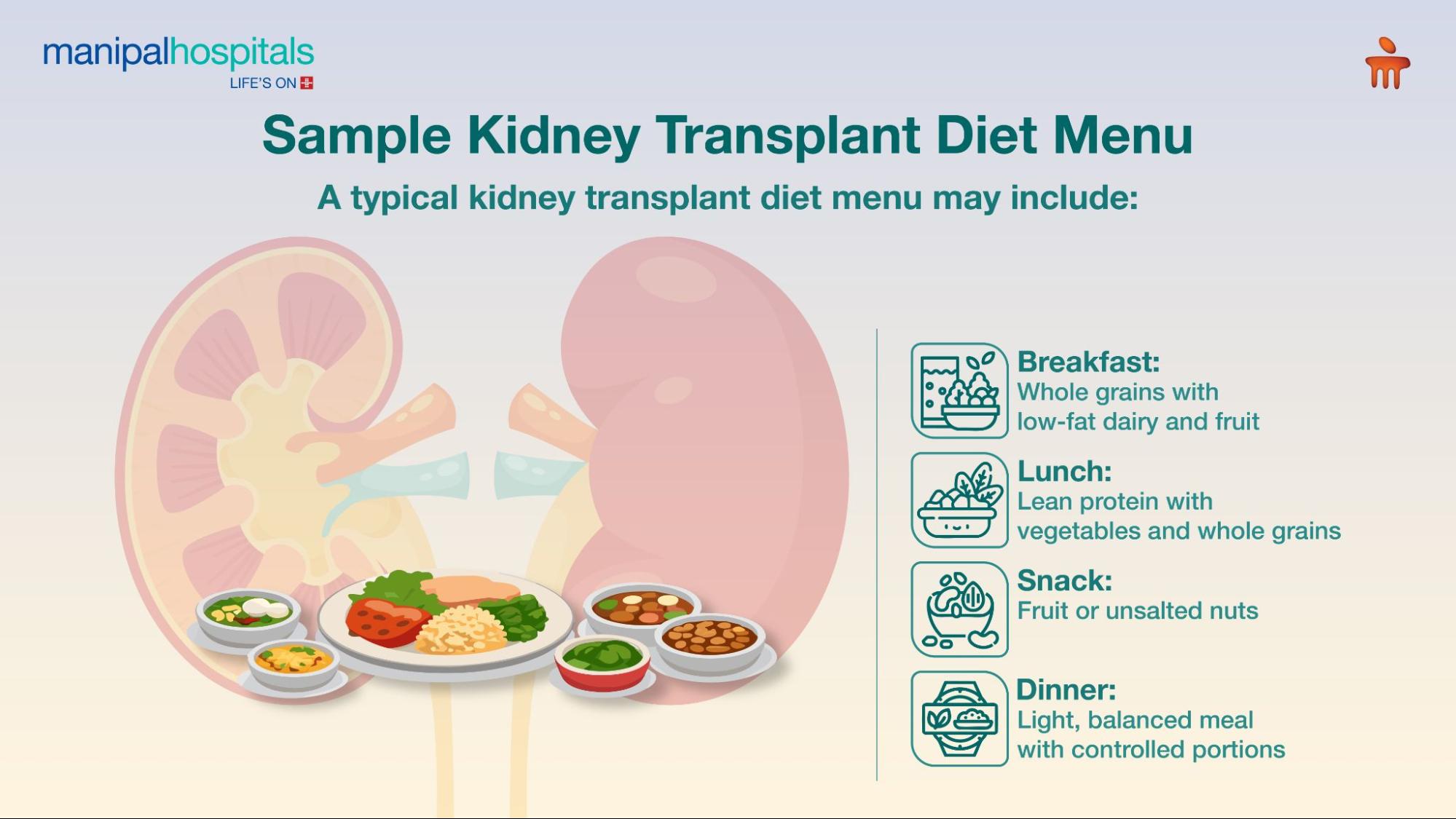
This comprehensive guide explains what to eat, what to avoid, and how to manage portions effectively as part of a safe and sustainable diet after a kidney transplant, while also addressing practical aspects such as an after-kidney-transplant diet chart, a diet chart for kidney transplant patients, and a balanced kidney transplant diet menu.
Synopsis
Why Diet Is Crucial After a Kidney Transplant
After surgery, the body undergoes multiple changes. Immunosuppressive medicines, which are essential to prevent rejection, can affect appetite, blood sugar levels, cholesterol, and bone health. A well-planned diet after a kidney transplant helps manage these side effects, supports wound healing, and reduces the risk of infections.
Unlike pre-transplant dietary restrictions, the diet after a kidney transplant is generally more flexible, but it must be balanced and hygienic. A structured after-kidney-transplant diet chart ensures the body receives adequate nutrients without overburdening the new kidney.
Foods to Eat After a Kidney Transplant
A healthy diet after a kidney transplant focuses on nourishment, immunity, and long-term kidney protection. Below are key food groups commonly included in a diet chart for kidney transplant patients.
1. High-Quality Protein
Protein is essential for tissue repair and muscle strength after surgery.
Recommended sources include:
-
Lean poultry – supports muscle repair, provides essential amino acids, easy to digest post-surgery
-
Fish – rich in omega-3 fats, reduces inflammation, supports kidney health overall
-
Eggs – a high-quality protein source, aid healing, supply vitamins supporting immunity functions
-
Low-fat dairy products – provide calcium, strengthen bones, and support gut health during the recovery period
-
Protein portions are carefully balanced in a kidney transplant diet menu to prevent excess strain on the kidney while meeting healing needs.
2. Fresh Fruits and Vegetables
Fruits and vegetables provide vitamins, minerals, and antioxidants. They are an important part of the diet after a kidney transplant, helping to support immunity and digestion. All produce should be thoroughly washed to reduce infection risk.
3. Whole Grains
Whole grains such as oats, brown rice, and whole-wheat bread supply energy and fibre. A balanced after-kidney-transplant diet chart includes whole grains to support heart health and stable blood sugar levels.
4. Healthy Fats
Unsaturated fats from sources like olive oil, nuts, and seeds support cardiovascular health. A well-designed diet chart for kidney transplant patients limits saturated fats to reduce cholesterol-related complications.
Foods to Avoid After Kidney Transplant
Food safety is a key concern in the diet after a kidney transplant, as immunosuppressive medicines increase susceptibility to infections.
1. Raw or Undercooked Foods
Avoid raw eggs, undercooked meat, seafood, and unpasteurised dairy. These are excluded from any safe kidney transplant diet menu.
2. Excess Salt
Too much salt can raise blood pressure and harm the transplanted kidney. A proper after-kidney-transplant diet chart emphasises low-salt cooking methods.
3. Sugary and Processed Foods
Steroid medications can increase blood sugar levels. Limiting sweets and processed foods is essential in the diet after a kidney transplant.
4. Grapefruit and Certain Herbal Products
Grapefruit can interfere with immunosuppressive drugs and is typically restricted in a diet chart for kidney transplant patients.
Portion Control: A Key to Long-Term Success
Portion control is often overlooked, but it is vital in the diet after a kidney transplant. Weight gain is common after surgery due to improved appetite and reduced dietary restrictions.
Key portion tips include:
-
Eating smaller, more frequent meals
-
Balancing protein, carbohydrates, and fats
-
Avoiding oversized portions of high-calorie foods
A structured kidney transplant diet menu helps patients enjoy variety while maintaining appropriate portion sizes. Guidance from our nephrologists in Gurugram ensures that portion recommendations are tailored to individual health parameters.
Food Hygiene and Safety
Hygiene is an essential component of the diet after a kidney transplant. Patients should:
-
Wash your hands before meals
-
Clean fruits and vegetables thoroughly
-
Store food properly
-
Avoid street food or unhygienic preparations
Food safety practices are a standard part of any medically approved diet chart for kidney transplant patients.
Life After Transplant: Maintaining a Balanced Diet
Long-term success depends on sustaining healthy eating habits. The diet after a kidney transplant is not temporary but evolves into a lifelong approach to nutrition. Regular follow-ups, blood tests, and dietary adjustments ensure the transplanted kidney continues to function optimally.
With consistent monitoring and expert advice, including that provided by our nephrologists in Gurugram, patients can confidently follow an adaptable kidney transplant diet menu that supports both health and lifestyle.
Learn More: Renal Transplant Surgery: Benefits, Risks & Facts
Conclusion
Following a structured and hygienic diet after a kidney transplant is essential for recovery, immunity, and long-term kidney health. By understanding food choices, portion control, and safety measures, patients can protect their transplanted kidney and enjoy an improved quality of life. With expert medical oversight and personalised planning, including guidance from our nephrologists in Gurugram, maintaining a balanced and effective dietary routine becomes both achievable and sustainable.
FAQ's
The diet after a kidney transplant usually begins immediately after surgery, starting with easily digestible foods and progressing to a normal, balanced diet.
Yes, an after-kidney-transplant diet chart is personalised based on age, medications, weight, and other medical conditions.
Most fruits are allowed, but hygiene and portion control are important parts of the diet after a kidney transplant.
A kidney transplant diet menu supports kidney health, manages medication side effects, and helps prevent complications.
A nephrologist or renal dietitian should guide the diet chart for kidney transplant patients to ensure safety and nutritional balance.
Share this article on:


.webp "Dr. Salil Yadav | Robotic & Laparoscopic Surgery Specialist in Gurugram | Manipal Hospitals")