5 Min Read
Chronic kidney disease is a progressive medical condition that gradually impairs kidney function over time. Often silent in its early stages, chronic kidney disease can advance unnoticed until significant and sometimes irreversible damage has occurred. If left unmanaged, chronic kidney disease may ultimately progress to kidney failure, a life-threatening stage requiring dialysis or transplantation. According to our urologists in Gurugram, early detection and continuous monitoring are critical to slowing disease progression and preserving kidney function.
Understanding how chronic kidney disease develops, how it affects kidney function, and why timely intervention is crucial can help prevent complications and protect long-term kidney health. Guidance from our experienced urologists in Gurugram ensures accurate diagnosis, stage-appropriate management, and personalised care to improve long-term outcomes.
Synopsis
- What Is Chronic Kidney Disease?
- How Healthy Kidneys Work
- Stages of Chronic Kidney Disease
- What Causes Chronic Kidney Disease?
- Creatinine Levels and Kidney Function
- Understanding eGFR Levels
- How Chronic Kidney Disease Progresses to Kidney Failure
- Signs of Kidney Failure
- Impact of Chronic Kidney Disease on Overall Kidney Health
- Chronic Kidney Disease Treatment Options
- Can Kidney Failure Be Prevented?
- When Dialysis or Transplant Becomes Necessary
- Living With Chronic Kidney Disease
- Conclusion
What Is Chronic Kidney Disease?
Chronic kidney disease refers to a long-term decline in kidney function lasting more than three months. The kidneys play a vital role in filtering waste, regulating fluid balance, controlling blood pressure, and maintaining electrolyte stability. When chronic kidney disease develops, these functions become progressively impaired.
A key feature of chronic kidney disease is that damage occurs slowly, often without noticeable symptoms in the early stages.
How Healthy Kidneys Work
To understand chronic kidney disease, it is important to know how healthy kidneys function.
Normal Kidney Functions
-
Filter waste and toxins from the blood
-
Maintain fluid and electrolyte balance
-
Regulate blood pressure
-
Support red blood cell production
-
Maintain bone health
As chronic kidney disease progresses, each of these functions becomes compromised, increasing the risk of kidney failure.
Stages of Chronic Kidney Disease
The progression of chronic kidney disease is classified into stages based on eGFR levels (estimated glomerular filtration rate).
Stages of Chronic Kidney Disease Explained
|
Stage |
eGFR Levels |
Kidney Function |
|
Stage 1 |
≥90 |
Mild damage, normal function |
|
Stage 2 |
60–89 |
Mild reduction |
|
Stage 3 |
30–59 |
Moderate impairment |
|
Stage 4 |
15–29 |
Severe impairment |
|
Stage 5 |
<15 |
Kidney failure |
Monitoring stages of chronic kidney disease helps guide treatment decisions and slow disease progression.
What Causes Chronic Kidney Disease?
Identifying causes of kidney failure begins with understanding what triggers chronic kidney disease.
Common Causes of Chronic Kidney Disease
-
Diabetes
-
High blood pressure
-
Chronic glomerulonephritis
-
Polycystic kidney disease
-
Prolonged medication use
-
Recurrent kidney infections
According to our urologists in Gurugram, early identification of these risk factors is critical for preserving kidney function.
Creatinine Levels and Kidney Function
Creatinine levels are one of the most important markers used to assess kidney function. Creatinine is a waste product produced by muscles and excreted by the kidneys.
Why Creatinine Levels Matter
-
Rising creatinine levels indicate declining kidney filtration
-
Persistently high creatinine levels suggest worsening chronic kidney disease
-
Monitoring trends is more important than a single value
As chronic kidney disease progresses, creatinine clearance declines, reflecting loss of functional kidney units.
Understanding eGFR Levels
eGFR levels estimate how efficiently the kidneys filter blood. Lower eGFR levels indicate reduced kidney function.
Key Points About eGFR Levels
-
Declining eGFR levels signal disease progression
-
Sudden drops require urgent evaluation
-
Long-term trends help predict kidney failure risk
Regular testing of eGFR levels allows early intervention and adjustment of chronic kidney disease treatment.
How Chronic Kidney Disease Progresses to Kidney Failure
Kidney failure occurs when chronic kidney disease reaches its final stage, and the kidneys can no longer support essential body functions.
Mechanisms Leading to Kidney Failure
-
Progressive scarring of kidney tissue
-
Loss of filtering units (nephrons)
-
Accumulation of toxins and fluids
-
Hormonal imbalance affecting blood pressure and bones
Without appropriate chronic kidney disease treatment, damage becomes irreversible.
Signs of Kidney Failure
Recognising the signs of kidney failure is essential for timely medical care.
Common Signs of Kidney Failure
-
Persistent fatigue
-
Swelling of legs, face, or hands
-
Reduced urine output
-
Breathlessness
-
Nausea and poor appetite
-
Difficulty concentrating
These signs of kidney failure often appear late, highlighting the silent nature of chronic kidney disease.
Impact of Chronic Kidney Disease on Overall Kidney Health
Kidney health deteriorates gradually in chronic kidney disease, affecting multiple organ systems.
Effects on the Body Due to Poor Kidney Health
-
Fluid overload
-
Electrolyte imbalance
-
Anaemia
-
Bone mineral disorders
-
Increased cardiovascular risk
Protecting kidney health requires continuous monitoring and lifestyle adjustments.
Chronic Kidney Disease Treatment Options
The goal of chronic kidney disease treatment is to slow progression, manage complications, and delay kidney failure.
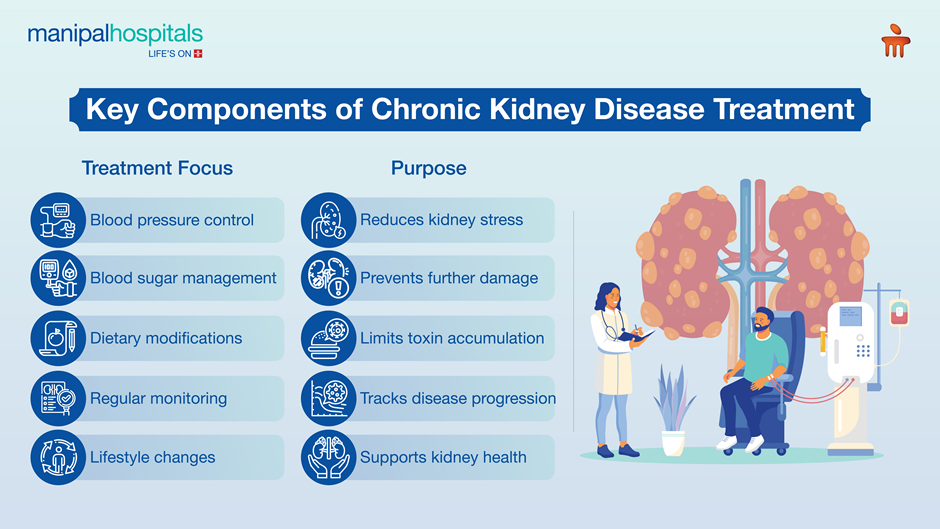 Our urologists in Gurugram emphasise individualised chronic kidney disease treatment plans based on disease stage and patient health.
Can Kidney Failure Be Prevented?
While chronic kidney disease cannot always be reversed, its progression can often be slowed.
Steps to Protect Kidney Health
-
Control diabetes and hypertension
-
Monitor creatinine levels regularly
-
Follow kidney-friendly diets
-
Avoid unnecessary medications
-
Maintain hydration and physical activity
Early diagnosis significantly reduces the risk of kidney failure.
When Dialysis or Transplant Becomes Necessary
When chronic kidney disease progresses to stage 5, kidney replacement therapy is required.
Options at Kidney Failure Stage
-
Haemodialysis
-
Peritoneal dialysis
-
Kidney transplantation
Timely referral, as advised by our urologists in Gurugram, allows a smoother transition to advanced care if needed.
Living With Chronic Kidney Disease
Living with chronic kidney disease requires long-term commitment to treatment and lifestyle changes.
Daily Management Tips
-
Adhere to dietary advice
-
Monitor blood pressure
-
Attend regular follow-ups
-
Track eGFR levels and creatinine levels
Consistent care helps maintain independence and quality of life.
Conclusion
Chronic kidney disease is a serious yet manageable condition when identified early. Understanding the stages of chronic kidney disease, monitoring creatinine levels and eGFR levels, recognising the signs of kidney failure, and following appropriate chronic kidney disease treatment can significantly delay or prevent kidney failure. With timely intervention and guidance from our urologists in Gurugram, patients can protect kidney health and maintain a better quality of life.
FAQ's
Not always. With early diagnosis and proper chronic kidney disease treatment, progression can be slowed or stabilised.
Early chronic kidney disease may show no symptoms, making routine testing crucial.
Frequency depends on disease stage, but regular monitoring is essential.
Persistently high creatinine levels indicate reduced kidney function and require evaluation.
Anyone diagnosed with chronic kidney disease or showing declining kidney function should seek specialist care.
Share this article on:


.webp "Dr. Salil Yadav | Robotic & Laparoscopic Surgery Specialist in Gurugram | Manipal Hospitals")