5 Min Read
Cervical cancer remains one of the most preventable yet life-threatening cancers affecting women worldwide. On Cervical Cancer Awareness Day, the focus is on education, early detection, and prevention strategies that can significantly reduce deaths from cervical cancer. Despite advances in medicine, the lack of awareness about cervical cancer, its symptoms, and screening methods continues to delay diagnosis.
This blog highlights how the HPV vaccine, Pap smear test, and HPV testing play a critical role in preventing cervical cancer, explains cervical cancer symptoms, and emphasises the importance of regular cervical cancer screening.
Synopsis
- Understanding Cervical Cancer
- Cervical Cancer Symptoms: What You Should Not Ignore
- HPV Infection: The Root Cause of Cervical Cancer
- HPV Vaccine: The First Line of Prevention
- Pap Smear Test: Detecting Cervical Cancer Early
- HPV Testing and Cervical Cancer Screening
- Who Should Undergo Cervical Cancer Screening?
- How Screening and Vaccination Save Lives
- Common Myths About Cervical Cancer
- Why Cervical Cancer Awareness Day Matters
- Conclusion
Understanding Cervical Cancer
Cervical cancer develops in the cells of the cervix, the lower part of the uterus that connects to the vagina. Most cases of cervical cancer are caused by persistent HPV infection, particularly high-risk strains of the virus.
Key Facts About Cervical Cancer
-
Caused primarily by HPV infection - Most cases arise due to persistent high-risk HPV infection, which alters cervical cells and gradually leads to malignant transformation.
-
Develops slowly over the years - Cervical cancer typically progresses over many years, allowing precancerous changes to be identified through routine screening.
-
Highly preventable with early cervical cancer screening - Regular cervical cancer screening helps detect abnormal cells early, enabling timely intervention before cancer fully develops.
-
Curable when detected early - When diagnosed at an early stage, treatment outcomes are excellent, with high survival rates and preserved reproductive health.
According to our oncologists in Delhi-NCR, awareness and timely screening are the strongest weapons against cervical cancer.
Cervical Cancer Symptoms: What You Should Not Ignore
Early-stage cervical cancer often has no noticeable signs, making screening essential. As the disease progresses, cervical cancer symptoms may begin to appear.
Common Cervical Cancer Symptoms
-
Abnormal vaginal bleeding - Bleeding between menstrual cycles, after intercourse, or post-menopause that is persistent, unexplained, and different from normal menstrual patterns.
-
Pelvic pain - Ongoing or intermittent pain in the lower abdomen or pelvis, often worsening during physical activity or unrelated to the menstrual cycle.
-
Pain during intercourse - Discomfort or sharp pain experienced during sexual activity, sometimes accompanied by bleeding, indicates possible cervical tissue involvement.
-
Unusual vaginal discharge - Persistent discharge that may be watery, foul-smelling, blood-tinged, or heavier than usual, occurring without infection or hormonal changes.
Recognising cervical cancer symptoms early can lead to timely diagnosis and improved outcomes.
HPV Infection: The Root Cause of Cervical Cancer
A persistent HPV infection is responsible for nearly all cases of cervical cancer. HPV is a common sexually transmitted virus, and most infections resolve on their own. However, long-term HPV infection with high-risk strains can cause abnormal cervical cell changes.
How HPV Infection Leads to Cervical Cancer
-
The virus infects cervical cells
-
Causes precancerous changes
-
Progresses slowly to cervical cancer if untreated
Preventing HPV infection is central to reducing the global burden of cervical cancer.
HPV Vaccine: The First Line of Prevention
The HPV vaccine is one of the most powerful tools available to prevent cervical cancer. It protects against the most common high-risk HPV strains responsible for HPV infection.
Benefits of the HPV Vaccine
-
Prevents high-risk HPV infection
-
Reduces the lifetime risk of cervical cancer
-
Safe and effective when given early
The HPV vaccine is recommended for adolescents and young adults, ideally before exposure to HPV. Our oncologists in the Delhi-NCR region strongly advocate for vaccination as a life-saving preventive measure.
Pap Smear Test: Detecting Cervical Cancer Early
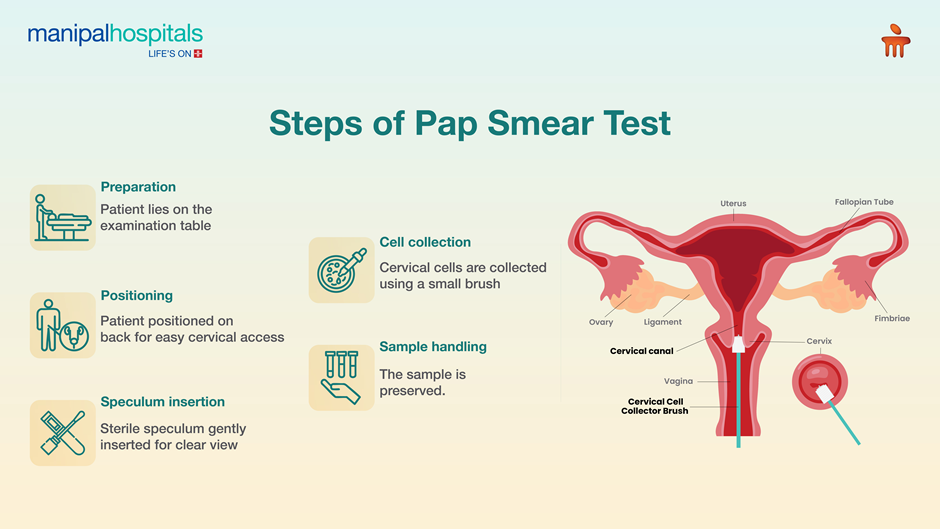
The Pap smear test is a cornerstone of cervical cancer screening. It detects abnormal cervical cells before they become cancerous.
Why Pap Smear Test Matters
-
Identifies precancerous changes
-
Detects early cervical cancer
-
Enables timely treatment
Regular Pap smear test screening has significantly reduced cervical cancer mortality worldwide.
HPV Testing and Cervical Cancer Screening
HPV testing identifies high-risk HPV strains that may lead to cervical cancer. When combined with the Pap smear test, it enhances the accuracy of cervical cancer screening.
Cervical Cancer Screening Methods
|
Screening Method |
Purpose |
|
Pap smear test |
Detects abnormal cervical cells |
|
HPV testing |
Identifies high-risk HPV infection |
|
Co-testing |
Combines both methods |
Routine cervical cancer screening helps ensure early detection and reduces the risk of invasive cancer. According to our oncologists in Delhi-NCR, screening adherence saves countless lives.
Who Should Undergo Cervical Cancer Screening?
Screening Recommendations
-
Women aged 21–29: Pap smear test every 3 years
-
Women aged 30–65: Pap smear test + HPV testing every 5 years
-
High-risk individuals: As advised by doctors
Consistent cervical cancer screening dramatically lowers the risk of advanced cervical cancer.
How Screening and Vaccination Save Lives
Prevention and early detection form the backbone of cervical cancer control.
Life-Saving Impact
-
The HPV vaccine prevents infection
-
The Pap smear test detects early disease
-
HPV testing identifies high-risk cases
Together, these strategies reduce cervical cancer incidence and mortality. Our oncologists in Delhi-NCR stress that combining vaccination with screening offers the best protection.
Common Myths About Cervical Cancer
Myth vs Fact
|
Myth |
Fact |
|
Cervical cancer affects older women only |
It can affect women of all ages |
|
The HPV vaccine encourages risky behaviour |
It prevents HPV infection |
|
Screening is painful |
The Pap smear test is quick and usually painless |
Dispelling myths encourages more women to participate in cervical cancer screening.
Why Cervical Cancer Awareness Day Matters
Cervical Cancer Awareness Day highlights the importance of education, prevention, and regular screening. Raising awareness about cervical cancer, the HPV vaccine, and the Pap smear test empowers women to take control of their health.
Conclusion
Cervical cancer is largely preventable through vaccination and early detection. On Cervical Cancer Awareness Day, the message is clear: timely HPV vaccine, regular Pap smear test, and consistent cervical cancer screening save lives. Understanding cervical cancer symptoms and addressing HPV infection early can dramatically reduce disease burden. Awareness, prevention, and proactive care are the keys to eliminating cervical cancer as a public health threat.
FAQ's
Most cases of cervical cancer are caused by persistent HPV infection.
Early cervical cancer symptoms may be absent; abnormal bleeding is often the first sign.
The HPV vaccine is highly effective in preventing high-risk HPV strains linked to cervical cancer.
A Pap smear test is recommended every 3–5 years, depending on age and risk factors.
Yes, HPV testing detects silent infections that may lead to cervical cancer.
Share this article on:


-Surgery-for-Knee-and-Shoulder-Pain.webp "Keyhole Surgery for Knee and Shoulder Pain: Benefits, Procedure, and Recovery Guide")