6 Min Read
Coronary artery disease remains one of the leading causes of heart-related complications worldwide. When arteries supplying blood to the heart become significantly narrowed or blocked, restoring adequate blood flow becomes critical. CABG surgery—commonly known as heart bypass surgery—has long been a proven and life-saving option for patients with advanced heart conditions. Understanding the risks and benefits of CABG surgery helps patients and families make informed treatment decisions, especially when guided by our cardiologists in Delhi-NCR, who provide personalised evaluation and recommendations.
This comprehensive guide explains CABG surgery in detail, explores when it is recommended, outlines its advantages and potential risks, and discusses recovery and long-term outcomes for patients with severe coronary artery disease.
Synopsis
- What Is CABG Surgery?
- Understanding Severe Coronary Artery Disease
- When Is CABG Surgery Recommended?
- Types of Heart Bypass Surgery
- Benefits of CABG Surgery
- CABG Surgery vs Other Treatment Options
- Risks Associated With CABG Surgery
- Who Is at Higher Risk During CABG Surgery?
- Preparing for CABG Surgery
- How the Body Benefits Immediately After CABG Surgery
- Recovery After CABG Surgery
- Lifestyle Changes After CABG Surgery
- Long-Term Outcomes of Coronary Bypass Surgery
- When to Seek Medical Attention After CABG Surgery
- Conclusion
What Is CABG Surgery?
CABG surgery stands for Coronary Artery Bypass Grafting surgery. It is a surgical procedure designed to improve blood flow to the heart by bypassing blocked or narrowed coronary arteries. During CABG surgery, surgeons use healthy blood vessels taken from the chest, leg, or arm to create new pathways for blood to reach the heart muscle.
CABG surgery is a cornerstone treatment for patients with severe coronary artery disease who do not respond adequately to medications or less invasive procedures.
Understanding Severe Coronary Artery Disease
What Happens in Severe Coronary Artery Disease?
Severe coronary artery disease occurs when plaque buildup significantly restricts blood flow to the heart. This can lead to chest pain, shortness of breath, heart attacks, and heart failure if left untreated.
Common Causes
-
High cholesterol
-
High blood pressure
-
Diabetes
-
Smoking
-
Sedentary lifestyle
In advanced stages, severe coronary artery disease often requires heart bypass surgery to restore circulation and reduce life-threatening risks.
When Is CABG Surgery Recommended?
CABG surgery is typically advised when multiple coronary arteries are blocked or when blockages involve critical areas such as the left main coronary artery.
Indications for CABG Surgery
-
Multiple blocked coronary arteries
-
Reduced heart-pumping function
-
Failed angioplasty or stenting
-
Severe coronary artery disease causing persistent symptoms
Our cardiologists in Delhi-NCR carefully evaluate each patient to determine whether CABG surgery offers the best long-term benefit.
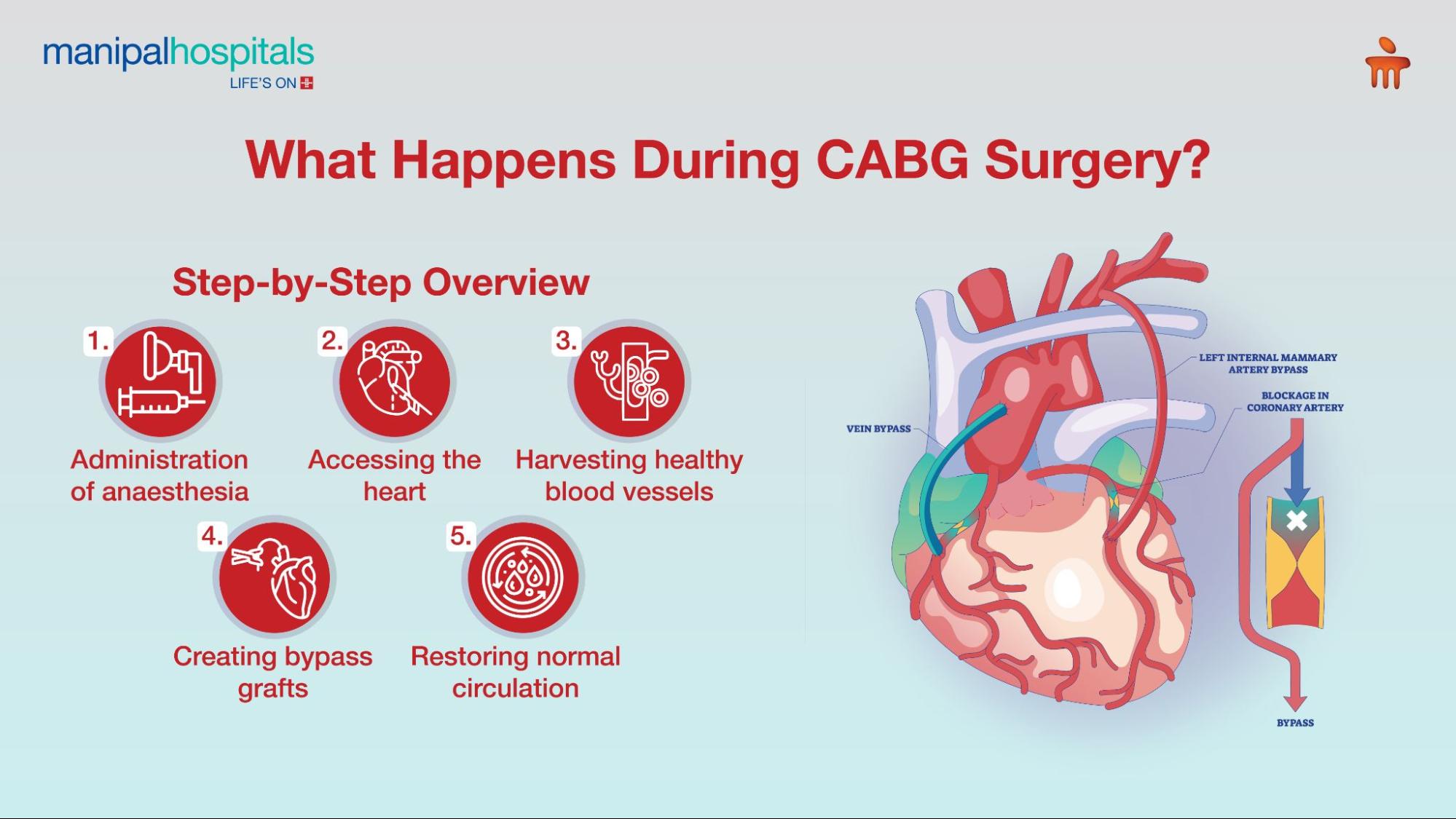
Types of Heart Bypass Surgery
Heart bypass surgery can be performed using different techniques, depending on the patient’s condition.
Common Types of CABG Surgery
|
Type |
Description |
| Traditional CABG surgery |
Performed with a heart-lung machine |
| Off-pump CABG surgery | Performed on a beating heart |
| Minimally invasive CABG surgery |
Smaller incisions, faster recovery |
Each form of coronary bypass surgery is tailored to individual patient needs.
Benefits of CABG Surgery
How CABG Surgery Improves Heart Health
The primary goal of CABG surgery is to restore blood flow to the heart muscle, thereby reducing symptoms and improving survival.
Key Benefits of CABG Surgery
-
Relief from chest pain (angina)
-
Improved blood flow to the heart
-
Reduced risk of heart attack
-
Enhanced quality of life
-
Better long-term outcomes in severe coronary artery disease
Many patients experience significant improvement in physical capacity and daily functioning after heart bypass surgery.
CABG Surgery vs Other Treatment Options
Understanding how CABG surgery compares to other treatments helps patients choose wisely.
|
Treatment Option |
Suitable For |
Long-Term Benefit |
|
Medications |
Mild disease |
Symptom control |
|
Angioplasty |
Limited blockages |
Moderate |
|
CABG surgery |
Severe coronary artery disease |
High |
In complex cases, coronary bypass surgery provides more durable results than stenting.
Risks Associated With CABG Surgery
While CABG surgery is highly effective, it is still a major surgical procedure and carries certain risks.
Potential Risks of CABG Surgery
-
Infection
-
Bleeding
-
Irregular heart rhythms
-
Stroke
-
Memory or concentration issues
The overall risk depends on age, overall health, and the severity of coronary artery disease. Our cardiologists in Delhi-NCR focus on minimising risks through careful pre-surgical assessment.
Who Is at Higher Risk During CABG Surgery?
Certain factors may increase surgical risk:
-
Advanced age
-
Diabetes
-
Kidney disease
-
Lung disease
-
Poor heart function
Despite these risks, CABG surgery often remains the safest option for patients with severe coronary artery disease.
Preparing for CABG Surgery
Pre-Surgical Evaluation Includes
-
Blood tests
-
Imaging studies
-
Cardiac catheterisation
-
Overall health assessment
Proper preparation significantly improves CABG surgery outcomes.
How the Body Benefits Immediately After CABG Surgery
-
Once CABG surgery is completed, the heart begins receiving improved blood flow through newly created pathways.
-
These bypass routes allow oxygen-rich blood to reach previously deprived areas of the heart muscle, helping restore normal cardiac function.
-
Patients often experience gradual relief from chest pain and improved tolerance to physical activity as circulation stabilises.
-
In the hours following CABG surgery, close monitoring ensures that heart rhythm, blood pressure, and oxygen levels remain stable.
-
The focus then shifts to supporting healing, preventing complications, and encouraging early movement.
-
This immediate post-surgical phase plays a vital role in setting the foundation for long-term recovery, improved heart performance, and better overall quality of life after heart bypass surgery.
Recovery After CABG Surgery
Immediate Recovery Phase
Patients usually spend a few days in the intensive care unit after CABG surgery for close monitoring.
Long-Term Recovery Timeline
|
Phase |
Duration |
|
Hospital stay |
5–7 days |
|
Initial recovery |
6–8 weeks |
|
Full recovery |
3–6 months |
Adhering to rehabilitation plans accelerates recovery after heart bypass surgery.
Lifestyle Changes After CABG Surgery
To maintain the benefits of CABG surgery, lifestyle modification is essential.
Recommended Changes
-
Heart-healthy diet
-
Regular exercise
-
Smoking cessation
-
Stress management
Our cardiologists in Delhi-NCR emphasise cardiac rehabilitation as a vital component of post-surgical care.
Long-Term Outcomes of Coronary Bypass Surgery
How Effective Is CABG Surgery Long-Term?
CABG surgery offers excellent long-term survival and symptom relief, especially for patients with severe coronary artery disease. Many bypass grafts remain functional for decades with proper care.
When to Seek Medical Attention After CABG Surgery
Seek immediate help if you experience:
-
Fever
-
Swelling or redness at incision sites
Prompt evaluation ensures early management of complications.
Conclusion
CABG surgery remains one of the most effective treatments for severe coronary artery disease. While heart bypass surgery carries certain risks, its benefits—such as improved blood flow, reduced symptoms, and better survival—often outweigh potential complications. Understanding the process, recovery, and long-term care associated with coronary bypass surgery empowers patients to make informed decisions. With expert guidance from our cardiologists in Delhi-NCR, CABG surgery continues to transform outcomes for patients facing complex heart disease.
FAQ's
CABG surgery provides long-lasting relief, but lifestyle changes are essential to maintain results.
Most patients recover within 6–12 weeks, though full recovery may take several months.
Yes, heart bypass surgery is commonly performed in older adults, with risks assessed individually.
CABG surgery significantly reduces the risk of heart attacks by improving blood flow.
A detailed evaluation by heart specialists determines whether CABG surgery is the best option.
Share this article on:


-Surgery-for-Knee-and-Shoulder-Pain.webp "Keyhole Surgery for Knee and Shoulder Pain: Benefits, Procedure, and Recovery Guide")