6 Min Read
Recovery following a neurosurgical procedure can feel overwhelming for patients and families alike. Whether the operation was planned or urgent, healing the brain requires time, structure, and expert guidance. In cases involving brain tumour surgery, recovery is not only about physical healing but also about restoring cognitive, emotional, and functional well-being. With early planning, the right medical support, and consistent aftercare, recovery outcomes can significantly improve. This is where the experience of our neurologist in Gurugram plays a vital role, offering evidence-based care and long-term guidance from hospital to home.
This blog outlines four essential, medically aligned tips to help optimise recovery after neurosurgical procedures, particularly brain tumour surgery, while also addressing realistic expectations for recovery time and life after brain surgery.
Synopsis
- Understanding Recovery After Brain Surgery
- Tip 1: Follow a Structured Post-Operative Care Plan
- Tip 2: Prioritise Neuro-Rehabilitation and Physical Therapy
- Tip 3: Support Brain Healing Through Nutrition and Lifestyle
- Tip 4: Focus on Emotional and Cognitive Well-being
- Life After Brain Tumour Surgery: What to Expect
- Conclusion
Understanding Recovery After Brain Surgery
Every patient’s recovery journey is unique. The brain surgery recovery time depends on multiple factors, such as the location of surgery, the type of tumour, patient age, overall health, and whether additional treatments like radiation or chemotherapy are required after brain tumour surgery. While some patients resume daily activities within weeks, others may need several months of structured rehabilitation. Understanding this variability is essential to managing expectations around recovery after brain surgery and planning for life after brain tumour surgery.
Tip 1: Follow a Structured Post-Operative Care Plan
The foundation of faster healing after brain tumour surgery lies in strict adherence to a personalised post-operative care plan. This plan is designed to minimise complications, monitor neurological status, and support gradual recovery after brain surgery.
Key components usually include:
-
Medication schedules to control pain, swelling, and seizures
-
Wound care instructions to prevent infection
-
Regular neurological assessments
-
Gradual reintroduction of physical activity
Patients who carefully follow these instructions often experience a smoother brain surgery recovery time. Ignoring rest periods or stopping medications early can delay recovery after brain surgery and negatively affect the long-term outcomes of brain tumour surgery.
It is also during this phase that guidance from our neurologists in Gurugram helps ensure subtle neurological changes are detected early, improving both safety and confidence during recovery.
Tip 2: Prioritise Neuro-Rehabilitation and Physical Therapy
Rehabilitation is a critical pillar of recovery after brain surgery. Following brain tumour surgery, patients may experience weakness, balance issues, speech difficulties, or memory challenges. Early and targeted neuro-rehabilitation helps the brain rewire itself, a process known as neuroplasticity.
Rehabilitation may include:
-
Physiotherapy to restore strength and coordination
-
Occupational therapy to regain daily living skills
-
Speech and language therapy was required
-
Cognitive therapy to improve attention and memory
Engaging in rehabilitation can significantly shorten brain surgery recovery time and improve independence in life after brain tumour surgery. Skipping or delaying therapy may prolong recovery after brain surgery and reduce overall quality of life following brain tumour surgery.
Tip 3: Support Brain Healing Through Nutrition and Lifestyle
The brain requires optimal nutrition to heal after brain tumour surgery. A balanced diet supports tissue repair, reduces inflammation, and helps manage fatigue, which is common during recovery after brain surgery.
Helpful nutritional and lifestyle strategies include:
-
Protein-rich foods to support tissue healing
-
Omega-3 fatty acids for brain health
-
Adequate hydration to prevent headaches and fatigue
-
Consistent sleep routines to support neurological recovery
Avoiding alcohol, smoking, and excessive screen time is equally important, as these can negatively impact brain surgery recovery time. Healthy routines established early often carry forward into life after brain tumour surgery, promoting long-term brain health.
Under the supervision of specialists, including our neurologists in Gurugram, patients receive guidance tailored to their recovery after brain surgery and individual needs following brain tumour surgery.
Tip 4: Focus on Emotional and Cognitive Well-being
While physical healing is visible, emotional recovery after brain surgery is often overlooked. Anxiety, mood changes, and depression are not uncommon after brain tumour surgery, especially as patients adjust to changes in routine and independence.
Supporting emotional well-being involves:
-
Psychological counselling or therapy
-
Open communication with family and caregivers
-
Gradual return to work or social activities
-
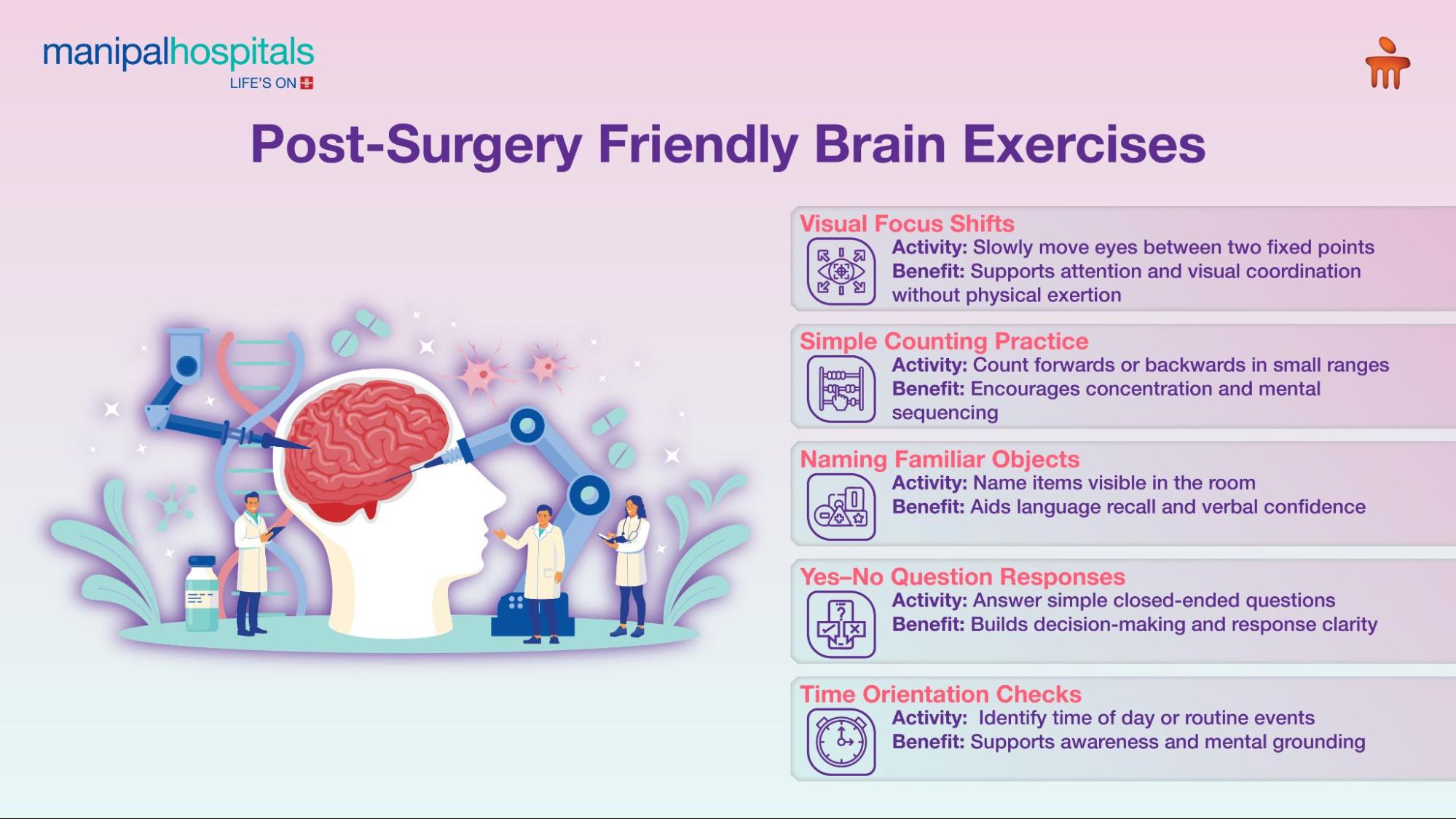
Cognitive exercises to rebuild confidence
Addressing mental health concerns can positively influence brain surgery recovery time and help patients adapt better to life after brain tumour surgery. Emotional resilience plays a significant role in sustained recovery after brain surgery and overall satisfaction with outcomes of brain tumour surgery.
Life After Brain Tumour Surgery: What to Expect
Adjusting to life after brain tumour surgery is a gradual process. Many patients return to fulfilling personal and professional lives, though some adjustments may be necessary. Follow-up scans, regular neurological reviews, and ongoing therapy are often part of long-term care after brain tumour surgery.
With appropriate support, most individuals find that life after brain tumour surgery becomes more manageable over time. Monitoring symptoms, maintaining follow-up appointments, and staying proactive about health are essential to sustaining recovery after brain surgery.
Expert follow-up from our neurologists in Gurugram ensures continuity of care well beyond hospital discharge, helping patients navigate both brain surgery recovery time and long-term wellness after brain tumour surgery.
Learn More: Brain Tumors: Causes, Types, and Symptoms
Conclusion
Recovering from brain tumour surgery is a journey that requires patience, consistency, and expert care. By following structured medical advice, engaging in rehabilitation, supporting the body with proper nutrition, and addressing emotional well-being, patients can improve recovery after brain surgery and ease the transition into life after brain tumour surgery. With experienced guidance and long-term support, including that offered by our neurologists in Gurugram, recovery becomes not just possible, but sustainable.
FAQ's
Brain surgery recovery time varies depending on the type and complexity of the brain tumour surgery. While initial recovery may take weeks, complete recovery after brain surgery can take several months.
Many patients achieve significant improvement after brain tumour surgery, especially with timely rehabilitation. Recovery after brain surgery depends on tumour type, location, and post-operative care.
Life after brain tumour surgery may involve fatigue, memory changes, or emotional adjustments. With therapy and medical guidance, most patients adapt well over time.
Yes, structured rehabilitation can significantly shorten brain surgery recovery time and improve functional outcomes after brain tumour surgery.
Any new symptoms, such as worsening headaches, seizures, or weakness during recovery after brain surgery, should be reported immediately, especially following brain tumour surgery.
Share this article on:


.webp "Dr. Salil Yadav | Robotic & Laparoscopic Surgery Specialist in Gurugram | Manipal Hospitals")