7 Min Read
Joint pain and limited mobility can significantly impact your quality of life, turning simple daily activities into challenging feats. When conservative treatments fall short, surgical intervention might become necessary. Fortunately, advancements in medical science offer minimally invasive options like arthroscopic surgery to diagnose and treat a wide range of joint conditions. At Manipal Hospitals, our orthopaedics in Gurugram specialise in providing cutting-edge solutions, helping countless patients regain their active lifestyles with impressive success rates, often exceeding 95% for many common arthroscopic procedures.
This comprehensive guide will demystify arthroscopy surgery, exploring its procedure, numerous benefits, and what you can expect during the arthroscopy recovery time. Our goal is to empower you with knowledge and reassure you about the path to recovery and renewed joint health.
Synopsis
Understanding Arthroscopy Surgery: A Minimally Invasive Approach
Arthroscopy surgery is a minimally invasive diagnostic and surgical procedure used to visualise, diagnose, and treat problems inside a joint. Unlike traditional open surgery, which requires large incisions, arthroscopy involves making several small incisions, typically about the size of a buttonhole. Through one incision, a thin tube containing a tiny camera and light source, called an arthroscope, is inserted. This allows the surgeon to view the inside of the joint on a high-definition monitor.
Through other small incisions, specialised surgical instruments can be inserted to perform necessary repairs or remove damaged tissue. This technique is particularly effective because it minimizes trauma to surrounding tissues, leading to faster healing and less post-operative pain.
What Conditions Can Arthroscopy Treat?
Arthroscopy surgery can be performed on various joints, with the knee, shoulder, hip, ankle, elbow, and wrist being the most common. It's an invaluable tool for diagnosing and treating:
-
Cartilage damage (meniscus tears in the knee, labral tears in the shoulder/hip)
-
Ligament tears (ACL, PCL in the knee; rotator cuff tears in the shoulder)
-
Inflammation of the joint lining (synovitis)
-
Loose bodies (fragments of bone or cartilage) within the joint
-
Joint infections
-
Certain types of fractures
-
Impingement syndromes (e.g., shoulder impingement)
The Advantages of Arthroscopy Surgery
The rise in popularity of arthroscopy surgery is largely due to its significant benefits compared to traditional open surgery. Patients consistently report a more positive experience and faster return to normal activities.
Key Benefits of Arthroscopy
-
Minimally Invasive: Smaller incisions mean less damage to surrounding muscles, ligaments, and skin.
-
Reduced Pain: Patients typically experience less post-operative pain, requiring fewer pain medications. A study revealed that over 80% of patients report significantly less pain compared to open surgery.
-
Faster Recovery: Shorter hospital stays and a quicker return to daily activities and sports. Many patients return to light activities within weeks, and full recovery is often achieved months faster than with open surgery.
-
Lower Risk of Complications: Reduced risk of infection and blood loss.
-
Improved Cosmetic Outcome: Smaller scars are less noticeable.
-
Enhanced Precision: The magnified view on the monitor allows surgeons to perform delicate procedures with greater accuracy.
-
Diagnostic and Therapeutic: Allows for both accurate diagnosis and immediate treatment during the same arthroscopy procedure.
The Arthroscopy Procedure: What to Expect
Understanding the steps involved in the arthroscopy procedure can help alleviate any pre-surgery anxieties. At Manipal Hospitals, our team ensures you are well-informed and comfortable throughout your journey.
Before the Procedure
-
Consultation and Diagnosis: Your orthopaedic specialist will conduct a thorough examination, review your medical history, and order imaging tests (X-rays, MRI) to confirm the diagnosis and determine if arthroscopy surgery is the most suitable option.
-
Pre-operative Instructions: You'll receive specific instructions regarding fasting, medications to avoid, and what to bring on the day of your surgery.
-
Anaesthesia: The anaesthesia type will be discussed with you, which could be general anaesthesia (you'll be asleep), regional anaesthesia (numbing the surgical area), or local anaesthesia combined with sedation.
During the Procedure
The specific steps of the arthroscopy procedure vary slightly depending on the joint being treated and the condition, but generally involve:
-
Incision: Small incisions (usually 2-4) are made around the joint.
-
Fluid Introduction: A sterile saline solution is pumped into the joint to expand it and provide a clear view for the surgeon.
-
Arthroscope Insertion: The arthroscope is inserted through one incision, transmitting images to a monitor.
-
Instrument Insertion: Tiny surgical instruments are inserted through other incisions to perform necessary repairs, such as trimming damaged cartilage, repairing ligaments, or removing loose bodies.
-
Closure: Once the repair is complete, the instruments are removed, the fluid is drained, and the small incisions are closed with stitches or sterile strips and covered with a dressing.
Navigating Your Arthroscopy Recovery Time
The arthroscopy recovery time is often shorter and less challenging than with open surgery, but it still requires patience, adherence to medical advice, and dedicated rehabilitation. Most patients spend only a few hours in recovery before being discharged home on the same day.
Immediate Post-Operative Care
-
Pain Management: You will be prescribed pain medication to manage discomfort.
-
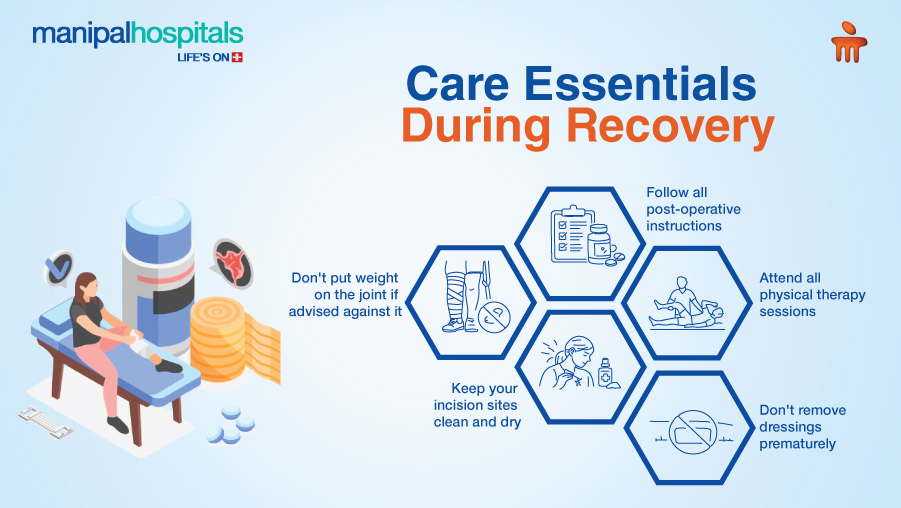
R.I.C.E. Protocol: Rest, Ice, Compression, and Elevation are crucial for reducing swelling and pain.
-
Dressing Care: Keep the incision sites clean and dry as instructed to prevent infection.
-
Weight Bearing: Depending on the joint and procedure, you might need crutches or a sling for a period.
Rehabilitation and Physical Therapy
Physical therapy is a cornerstone of successful arthroscopy recovery time. It typically begins shortly after surgery, often within days. Your physical therapist will guide you through exercises designed to:
-
Restore range of motion
-
Strengthen the surrounding muscles
-
Improve stability and balance
-
Gradually increase activity levels
The duration of physical therapy varies, but many patients see significant improvement within 6-12 weeks. Full recovery, especially for active individuals or athletes, might take 3-6 months. We pride ourselves on the comprehensive rehabilitation programs offered by our orthopaedics in Gurugram, ensuring personalised care for optimal outcomes.
Why Choose Manipal Hospitals for Your Arthroscopy Surgery?
Choosing the right healthcare provider for your arthroscopy surgery is paramount. At Manipal Hospitals, we are committed to providing world-class orthopaedic care.
Our orthopaedics in Gurugram boast a team of highly experienced surgeons, state-of-the-art facilities, and a patient-centric approach that prioritises your comfort and successful recovery. With a focus on advanced techniques and personalised rehabilitation plans, we consistently achieve excellent outcomes, empowering our patients to return to their optimal health and active lives.
Conclusion
If you are experiencing persistent joint pain or have been recommended for surgical intervention, it's crucial to seek timely medical advice from trusted experts. Book an appointment with our expert orthopaedic surgeon at Manipal Hospitals Gurugram today to discuss if arthroscopy surgery is the right solution for you.
FAQ's
During the arthroscopy procedure, you won't feel pain due to anaesthesia. Post-surgery, pain is typically managed with medication and is generally less severe than with open surgery due to the minimally invasive nature.
For knee arthroscopy surgery, you might be able to put some weight on your leg with crutches almost immediately, but full weight-bearing and walking without assistance will depend on the specific procedure and your surgeon's recommendations. Many patients start gentle movement within a day.
While immediate recovery might take a few weeks, full arthroscopy recovery time, including rehabilitation, can range from 3 to 6 months, depending on the joint, the extent of the repair, and individual factors.
Like any surgical procedure, arthroscopy surgery carries minimal risks, including infection, blood clots, nerve or blood vessel damage, and anaesthesia complications. However, these are rare, and the overall complication rate is very low, often less than 1%.
Returning to sports depends heavily on the specific joint, the repair performed, and your progress in physical therapy. It's usually a gradual process, often taking 4-9 months, and should only be done under the guidance of your surgeon and physical therapist.
Share this article on:


-Surgery-for-Knee-and-Shoulder-Pain.webp "Keyhole Surgery for Knee and Shoulder Pain: Benefits, Procedure, and Recovery Guide")