8 Min Read
--Causes,-Symptoms,-and-Prevention.webp "Common Urinary Tract Infections (UTIs): Causes, Symptoms, and Prevention")
Urinary tract infection (UTI) is a common and often uncomfortable condition that affects millions worldwide. While often perceived as a minor inconvenience, a urinary tract infection can lead to more serious health issues if left untreated. Understanding the causes, recognising the UTI symptoms, and implementing effective UTI prevention strategies are crucial for maintaining good urinary health. At Manipal Hospitals, our dedicated team of urologists in Delhi-NCR is committed to providing comprehensive care and expert guidance for all urinary tract conditions.
This detailed guide will delve into the intricacies of urinary tract infection, offering insights into why they occur, how to identify them, and the most effective approaches to treatment and prevention. Our goal is to empower you with knowledge to protect your urinary system and ensure your well-being.
Synopsis
What is a Urinary Tract Infection (UTI)?
A urinary tract infection (UTI) occurs when bacteria, typically from the skin or rectum, enter the urethra and begin to multiply in the urinary tract. The urinary tract comprises the kidneys, ureters, bladder, and urethra. While any part of this system can be affected, the most common type of urinary tract infection involves the lower urinary tract, specifically the bladder (cystitis) and urethra (urethritis). Kidney infections (pyelonephritis) are more severe and can lead to serious complications if not promptly addressed.
Approximately 50-60% of women will experience at least one urinary tract infection in their lifetime, making it one of the most common bacterial infections. Men can also develop UTIs, though less frequently. Understanding the specifics of a urinary tract infection is the first step towards effective management and UTI prevention.
Recognising UTI Symptoms
Identifying UTI symptoms early is vital for timely intervention and preventing the infection from worsening. The specific symptoms can vary depending on which part of the urinary tract is affected, but there are several common indicators of a urinary tract infection. Recognising these signs can help you seek appropriate medical attention sooner.
Common UTI Symptoms include:
-
Painful urination: A burning sensation during urination (dysuria) is one of the hallmark UTI symptoms. This discomfort can range from mild to severe, making each trip to the toilet a dreaded experience.
-
Frequent urination: Feeling the urge to urinate more often than usual, even shortly after emptying your bladder, is a strong indicator of a urinary tract infection. This frequent urination can be disruptive to daily life.
-
Urgent need to urinate: An intense, sudden urge to urinate that is difficult to postpone, known as urgency.
-
Lower abdominal pain: Discomfort or pressure in the lower abdomen, often located just above the pubic bone, is a common symptom. This lower abdominal pain can also extend to the pelvic area or back.
-
Cloudy or strong-smelling urine: Urine that appears cloudy or has a strong, foul odour can suggest the presence of bacteria and a urinary tract infection.
-
Blood in urine: In some cases, a urinary tract infection can cause haematuria, where blood in urine is visible. This can be alarming and certainly warrants immediate medical attention.
-
Pelvic pressure in women: A feeling of heaviness or pressure in the lower pelvis.
More Severe UTI Symptoms (indicating a kidney infection):
-
High fever and chills
-
Nausea and vomiting
-
Pain in the back or side (flank pain)
If you experience any of these severe symptoms, particularly accompanied by lower abdominal pain or frequent urination, it is crucial to seek urgent medical care. Early UTI diagnosis and UTI treatment are key to preventing complications.
Causes of Urinary Tract Infection
The primary UTI causes are bacteria, predominantly Escherichia coli (E. coli), which normally reside in the gastrointestinal tract. These bacteria can enter the urethra and travel upwards into the bladder. Several factors increase the risk of developing a urinary tract infection:
Causes of UTI in Women:
Women are more susceptible to UTIs due to their anatomy. The female urethra is shorter than a male's, and its proximity to the anus makes it easier for bacteria to travel to the bladder. Key causes of UTI in women include:
-
Sexual activity: Sexual intercourse can introduce bacteria into the urethra.
-
Use of certain birth control: Diaphragms and spermicidal agents can increase risk.
-
Menopause: Decreased oestrogen levels after menopause can lead to changes in the urinary tract that make it more vulnerable to infection.
-
Wiping direction: Wiping from back to front after using the toilet can transfer bacteria from the anus to the urethra.
Causes of UTI in Men:
While less common, causes of UTI in men often relate to:
-
Enlarged prostate (BPH): Can block urine flow, leading to incomplete bladder emptying.
-
Kidney stones: Can obstruct the urinary tract.
-
Catheter use: Increases the risk of introducing bacteria.
-
Compromised immune system: Conditions like diabetes can weaken the body's defences against urinary tract infection.
Other General UTI Causes:
-
Poor hygiene: Inadequate cleaning of the genital area.
-
Urinary tract abnormalities: Structural issues that impede urine flow.
-
Weakened immune system: Due to illness or certain medications.
-
Incomplete bladder emptying: Leaving residual urine in the bladder allows bacteria to multiply.
Special Considerations: UTI During Pregnancy
UTI during pregnancy is a significant concern because untreated infections can lead to serious complications for both the mother and the baby, including preterm labour and low birth weight. Physiological changes during pregnancy, such as hormonal shifts and pressure on the bladder from the growing uterus, can increase the risk of urinary tract infection. Screening for asymptomatic bacteriuria (bacteria in the urine without symptoms) is a routine part of prenatal care, as even these infections can progress. Prompt UTI diagnosis and appropriate UTI treatment are essential for maternal and foetal health.
UTI Diagnosis and Treatment
Timely and accurate UTI diagnosis is crucial for effective UTI treatment. When you visit Manipal Hospitals, our specialists will conduct a thorough evaluation. With modern diagnostic methods, we achieve over 90% accuracy in identifying the causative bacteria, ensuring targeted and effective treatment.
UTI Diagnosis methods typically include:
-
Urine sample analysis (Urinalysis): To check for white blood cells, red blood cells, and bacteria.
-
Urine culture: To identify the specific type of bacteria causing the urinary tract infection and determine its susceptibility to various medications.
-
Imaging tests: In cases of recurrent infections or suspected structural abnormalities, an ultrasound or CT scan may be performed.
UTI Treatment:
The primary UTI treatment involves a course of medication, typically lasting 3 to 7 days for uncomplicated infections. For severe or recurrent cases, longer courses may be prescribed. It’s imperative to complete the full course of prescribed medication, even if symptoms improve, to ensure the urinary tract infection is fully eradicated. With timely diagnosis and appropriate UTI treatment, most uncomplicated urinary tract infections resolve within 5-7 days, with symptom improvement often seen within 24-48 hours.
Prevention Strategies for Urinary Tract Infections
Implementing effective UTI prevention strategies can significantly reduce the risk of recurrent urinary tract infection. Adopting simple habits can make a substantial difference in maintaining a healthy urinary system. Studies show that adopting simple UTI prevention strategies can reduce recurrence rates by up to 50%.
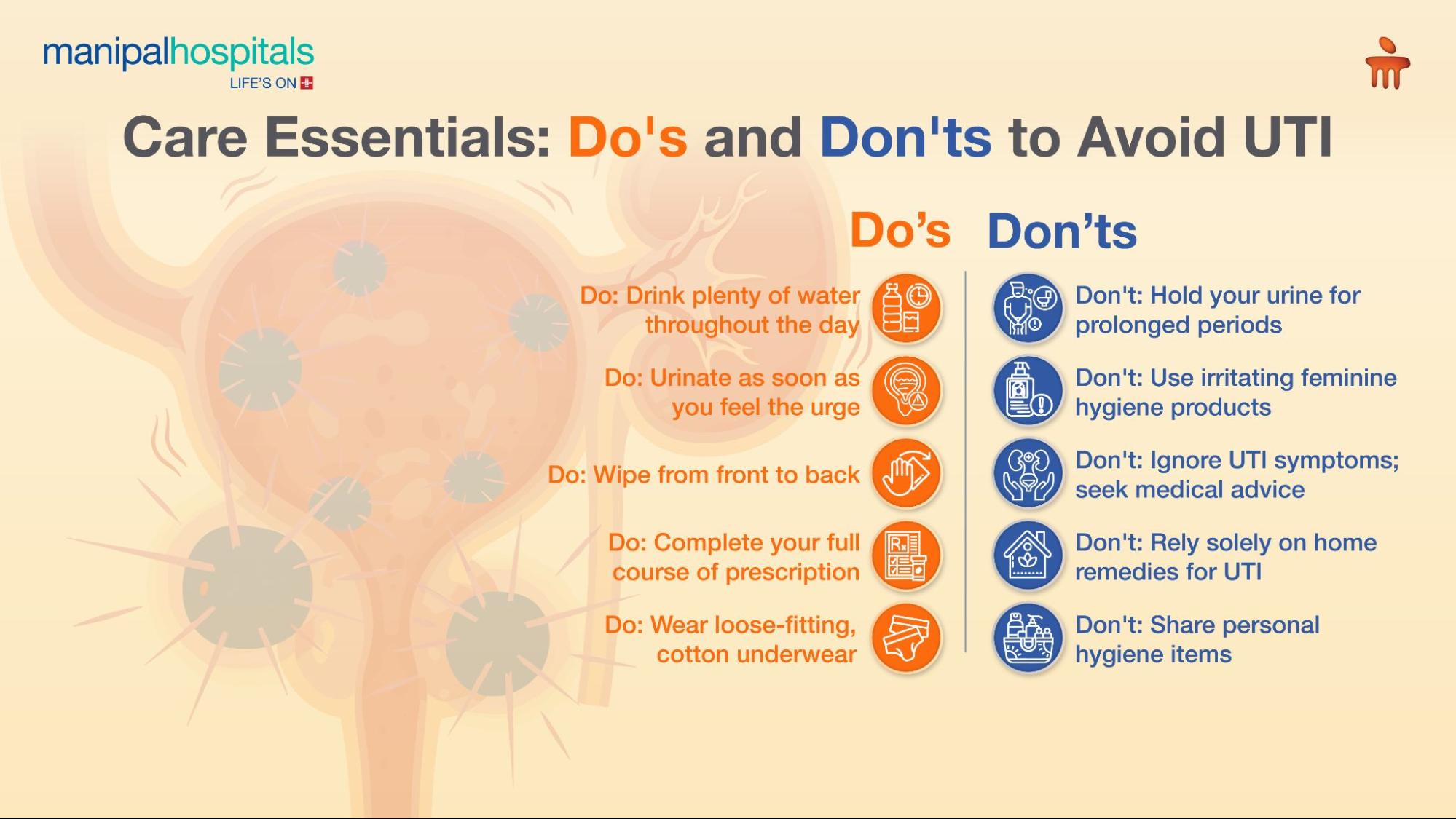
Key UTI Prevention Tips:
-
Stay hydrated: Drinking plenty of water helps flush bacteria from the urinary tract.
-
Urinate frequently: Don't hold your urine for extended periods. Urinating often helps clear bacteria.
-
Wipe correctly: After using the toilet, women should wipe from front to back to prevent bacteria from the anus from entering the urethra.
-
Urinate after intercourse: Emptying your bladder soon after sexual activity helps flush out any bacteria that may have entered the urethra.
-
Avoid irritating feminine products: Scented douches, powders, and sprays can irritate the urethra and increase infection risk.
-
Wear breathable underwear: Cotton underwear allows for better airflow, preventing moisture build-up that can foster bacterial growth.
Home Remedies and Support for UTIs
While home remedies for UTI cannot cure an established urinary tract infection, they can provide symptom relief and complement medical UTI treatment. It's crucial to understand that these should not replace prescribed medications but rather support the healing process.
-
Increase fluid intake: Continue drinking plenty of water to help flush the urinary tract.
-
Avoid irritants: Steer clear of coffee, alcohol, spicy foods, and carbonated drinks, which can irritate the bladder.
-
Apply a heating pad: A warm compress on the lower abdomen can alleviate lower abdominal pain and discomfort.
-
Cranberry juice/supplements: As mentioned for UTI prevention, some find relief or benefit from these, but always consult your doctor, especially if taking other medications.
If you are experiencing persistent or severe UTI symptoms or if you have a history of recurrent urinary tract infections, it is important to consult a healthcare professional. Our experienced urologists in Delhi-NCR at Manipal Hospitals are equipped to provide accurate UTI diagnosis and personalised UTI treatment plans, ensuring the best possible outcome for your health. Remember, early intervention is key to managing a urinary tract infection effectively and preventing potential complications.
If you are experiencing these symptoms, it's crucial to seek timely medical advice. Book an appointment with our expert urologists at Manipal Hospitals today.
FAQ's
While mild urinary tract infections can sometimes resolve on their own, especially in individuals with strong immune systems and excellent hydration, it is generally not recommended to wait. Untreated UTIs can spread to the kidneys, leading to more serious health problems.
Most people experience significant relief from UTI symptoms, such as painful urination and frequent urination, within 24 to 48 hours of starting antibiotics. However, it is vital to complete the entire course of medication as prescribed by your doctor to ensure the urinary tract infection is fully eradicated.
Yes, recurrent urinary tract infection is common, particularly in women. Factors contributing to recurrent UTIs include genetic predisposition, certain types of contraception, hormonal changes (especially during menopause), incomplete bladder emptying, and sexual activity.
Yes, men can get UTIs, though they are less common than in women. The UTI symptoms are generally similar, including painful urination, frequent urination, and lower abdominal pain. However, causes of UTI in men are often linked to prostate issues or other urinary tract obstructions.
Blood in urine can be a symptom of a urinary tract infection, but it can also indicate other conditions, some of which may be serious. While a UTI can cause visible or microscopic blood, other potential UTI causes include kidney stones, kidney disease, or even more serious conditions.
Hydration is a cornerstone of UTI prevention. Drinking plenty of water helps dilute urine and ensures more frequent urination. This regular flushing action helps to wash bacteria out of the urinary tract before they can multiply and cause a urinary tract infection.
Share this article on: