6 Min Read
Gallstones and related gallbladder issues can cause significant discomfort and impact your quality of life. Fortunately, modern medicine offers highly effective and minimally invasive solutions. Among these, laparoscopic cholecystectomy stands out as the gold standard for gallbladder removal. This advanced keyhole surgery provides a quicker recovery and less pain compared to traditional methods. At Manipal Hospitals, we are committed to providing you with clear, authoritative information about your health journey. This guide will walk you through everything you need to know about gallbladder removal surgery, from the procedure itself to what to expect during your recovery and beyond.
Synopsis
Understanding Laparoscopic Cholecystectomy: A Minimally Invasive Approach
When dealing with painful gallstones or an inflamed gallbladder, the prospect of surgery can be daunting. However, understanding the procedure can alleviate many concerns. Laparoscopic cholecystectomy, often referred to as keyhole surgery for gallbladder removal, is a widely performed and highly effective treatment.
What is Laparoscopic Cholecystectomy?
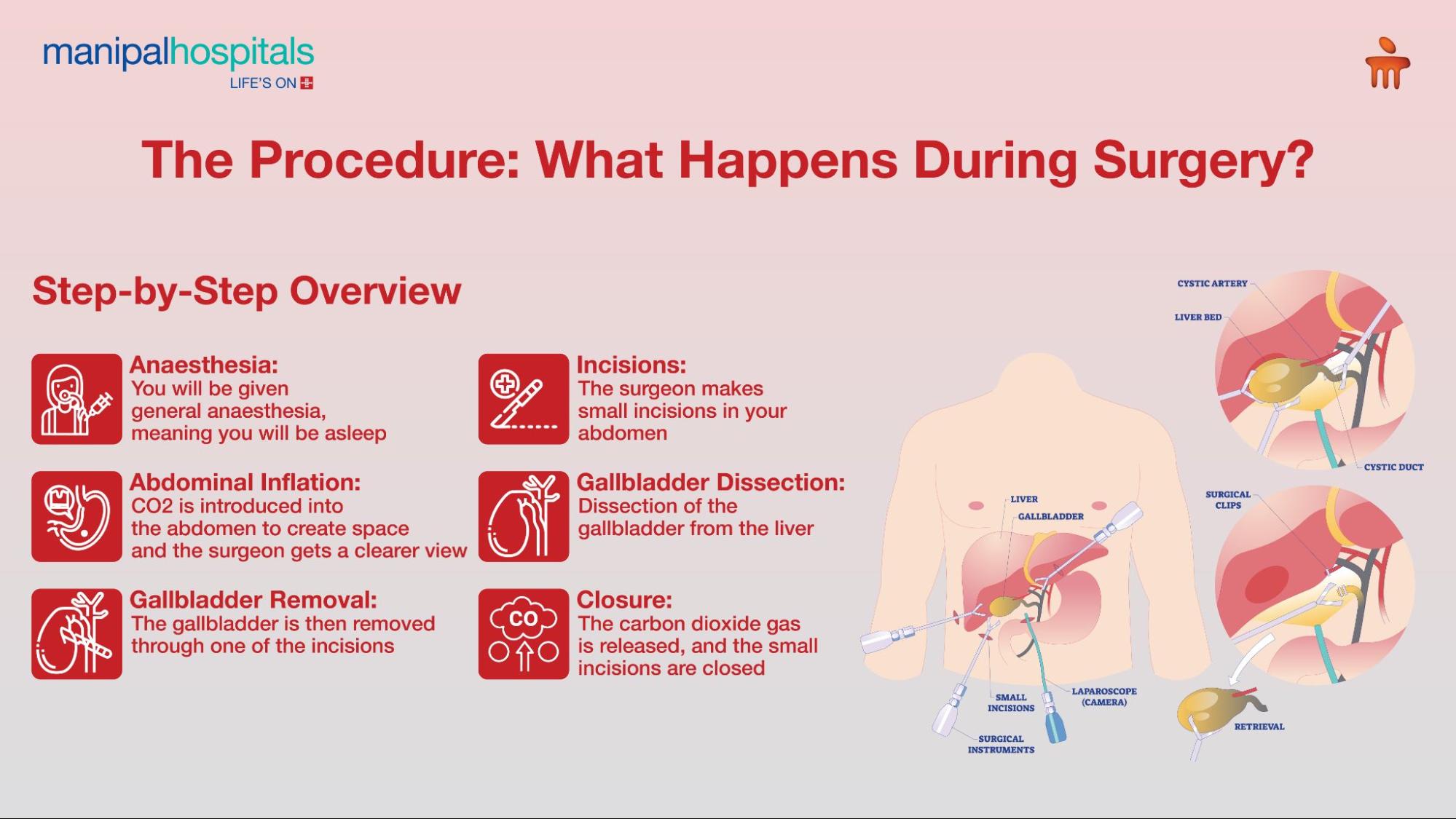
Laparoscopic cholecystectomy is a minimally invasive surgical procedure to remove a diseased or inflamed gallbladder. Instead of a single large incision, the surgeon makes several small incisions (typically 3-4, each about 0.5 to 1 cm) in the abdomen. A thin, lighted tube with a camera (laparoscope) is inserted through one incision, allowing the surgeon to view the internal organs on a monitor. Specialised surgical instruments are then inserted through the other small incisions to carefully disconnect and remove the gallbladder.
This technique offers numerous advantages over traditional open surgery, including reduced pain, smaller scars, and a faster return to normal activities. With a remarkable success rate exceeding 95% globally for treating symptomatic gallstone disease, it's a testament to the procedure's efficacy and safety.
Why is it performed? Indications for Gallbladder Removal
The primary reason for performing a laparoscopic cholecystectomy is the presence of gallstones and the complications they can cause. The most common indications include:
-
Cholelithiasis: The medical term for gallstones, which can cause severe pain (biliary colic) when they block the bile ducts.
-
Acute Cholecystitis: Inflammation of the gallbladder, often caused by a gallstone blocking the cystic duct, leading to sudden and intense abdominal pain, fever, and nausea.
-
Chronic Cholecystitis: Long-term inflammation of the gallbladder, resulting from repeated bouts of acute inflammation, leading to persistent discomfort.
-
Biliary Dyskinesia: A condition where the gallbladder doesn't contract properly to release bile, causing symptoms similar to gallstones without their physical presence.
-
Pancreatitis: Inflammation of the pancreas, sometimes triggered by gallstones blocking the pancreatic duct.
If you are experiencing symptoms like severe abdominal pain, nausea, vomiting, or jaundice, a consultation with a specialist at Manipal Hospitals can help determine if gallstones treatment or minimally invasive gallbladder surgery is right for you.
Recovery and Post-Operative Care: A Smooth Transition Home
One of the significant advantages of laparoscopic cholecystectomy is the relatively swift recovery period. Manipal Hospitals provides comprehensive cholecystectomy recovery support to ensure your transition back to health is as smooth as possible.
Immediate Post-Surgery
After your surgery, you will be taken to a recovery room where medical staff will monitor your vital signs. You might feel some grogginess from the anaesthesia and mild pain at the incision sites. Most patients at Manipal Hospitals are discharged within 24 hours, often even on the same day, depending on their individual recovery progress and the time of surgery. You will be encouraged to walk around a bit shortly after surgery, which helps prevent complications like blood clots and aids in gas expulsion.
Managing Pain and Discomfort
It's normal to experience some pain or discomfort for a few days after surgery. This is usually managed effectively with prescribed pain medication. Many patients also experience shoulder pain, which is common and results from the residual carbon dioxide gas irritating the diaphragm; this typically subsides within 24-48 hours. Following your doctor's instructions for pain management is crucial for a comfortable recovery.
Resuming Normal Activities
The beauty of minimally invasive surgery is the faster return to your daily routine. While individual recovery times vary, most patients can:
-
Resume light activities and self-care within 1-2 days.
-
Return to work (if not physically demanding) within 3-7 days.
-
Resume most normal activities, including light exercise, within 1-2 weeks.
-
Avoid heavy lifting (more than 10-15 pounds) for at least 4-6 weeks to allow internal healing.
Over 90% of patients experience significant relief from their gallbladder surgery symptoms and report a high quality of life within weeks of their cholecystectomy recovery. Your surgeon will provide specific guidelines tailored to your situation.
Life After Gallbladder Removal: Diet and Lifestyle Adjustments
The gallbladder plays a role in digestion, so it's natural to wonder about life after its removal. The good news is that most people adapt very well and experience no long-term digestive issues.
Dietary Considerations
Initially, after gallbladder removal surgery, your digestive system needs time to adjust. Our experts recommend:
-
Gradual Reintroduction: Start with light, easily digestible foods.
-
Low-Fat Diet: For the first few weeks, it's often advisable to follow a post-surgery diet that is low in fat. This is because bile, which helps digest fats, is now released directly into the small intestine rather than being stored and concentrated in the gallbladder.
-
Avoid Trigger Foods: Some people find that very fatty, greasy, or spicy foods can cause bloating, gas, or diarrhoea initially. Listen to your body and introduce these foods cautiously.
-
Stay Hydrated: Drinking plenty of water helps with digestion and overall recovery.
Your body is remarkably adaptive, and over time, your digestive system typically learns to function effectively without a gallbladder. The liver continues to produce bile, which flows directly into the small intestine, enabling digestion.
If you are experiencing symptoms, it's crucial to seek timely medical advice. Book an appointment with our expert gastroenterologists in Ghaziabad today to discuss your options and receive personalised care.
FAQ's
Most patients are discharged on the same day or within 24 hours of the surgery, provided they are recovering well and have stable vital signs.
Yes, you will have a few small scars, typically 0.5 to 1 cm long, where the incisions were made. These scars are much smaller than those from open surgery and tend to fade significantly over time.
Initially, a low-fat, easily digestible diet is recommended. You can gradually reintroduce other foods, paying attention to how your body reacts. Most people can return to a normal diet eventually.
Absolutely. The vast majority of people live full, healthy lives without a gallbladder. The liver continues to produce bile, which flows directly into the small intestine to aid digestion.
Contact your doctor immediately if you experience persistent or worsening abdominal pain, fever, chills, yellowing of the skin or eyes (jaundice), redness or pus from the incision sites, or persistent nausea and vomiting.
Share this article on: