7 Min Read
International Epilepsy Day, observed annually, serves as a crucial reminder of the millions worldwide living with epilepsy. This significant day is dedicated to raising global awareness about epilepsy, a chronic non-communicable neurological disorder affecting people of all ages. At Manipal Hospitals, we believe in empowering our community with accurate information and compassionate care. Our expert neurologists in Ghaziabad are at the forefront of diagnosing and managing neurological conditions, ensuring patients receive the best possible treatment for conditions like seizure disorder, enhancing their overall brain health and quality of life.
Epilepsy is defined by recurrent, unprovoked seizures, which are brief episodes of involuntary movement that may involve a part of the body (partial or focal) or the entire body (generalised). They are sometimes accompanied by loss of consciousness and bowel or bladder control. Globally, an estimated 50 million people live with epilepsy, making it one of the most common neurological disorders. Understanding what is epilepsy, its diverse manifestations, and the available treatment options is key to demystifying this condition and reducing the associated stigma.
Synopsis
Understanding Epilepsy: What is it?
Epilepsy is more than just having a seizure; it's a complex condition characterised by an enduring predisposition to generate epileptic seizures and by the neurobiological, cognitive, psychological, and social consequences of this condition. A single seizure does not necessarily mean a person has epilepsy. An epilepsy diagnosis is typically made after a person has had two or more unprovoked seizures. These seizures are caused by sudden, abnormal electrical activity in the brain, which can disrupt various brain functions.
The impact of epilepsy extends beyond physical symptoms, often affecting mental well-being and social integration. With appropriate seizure management, a significant percentage of individuals—around 70%—can achieve full control of their seizures, leading fulfilling lives. This success rate highlights the importance of early and accurate epilepsy diagnosis and consistent adherence to treatment plans.
The Diverse Landscape: Types of Epilepsy and Seizures
The manifestations of epilepsy are incredibly varied, categorised broadly into different types of epilepsy based on where seizures begin in the brain and how they spread.
Types of Seizures:
-
Focal (Partial) Seizures: These begin in one area of the brain. The symptoms depend on the part of the brain affected. A person might experience altered sensations, emotions, movements, or consciousness.
-
Generalised Seizures: These involve both sides of the brain from the start. Examples include tonic-clonic (grand mal) seizures, absence seizures (petit mal), myoclonic, tonic, and atonic seizures.
-
Unknown Onset Seizures: When the beginning of the seizure isn't clear, it's classified as unknown onset. This may be reclassified as focal or generalised once more information becomes available.
Understanding these types of seizures is fundamental for an accurate epilepsy diagnosis and tailoring effective treatment strategies. Each seizure disorder type requires a specific approach to medication and care, making the expertise of our neurologists in Ghaziabad invaluable.
Unveiling the Causes of Epilepsy
While the exact causes of epilepsy remain unknown in about half of all cases worldwide, several factors are identified as potential contributors to the development of this neurological disorder.
Common Causes Include:
-
Genetic Factors: Some types of epilepsy are linked to specific genes, or genetic predispositions can lower a person's seizure threshold.
-
Structural Changes: Brain injuries, strokes, tumours, or developmental abnormalities in the brain can disrupt normal electrical activity, leading to seizures.
-
Infections: Conditions like meningitis, encephalitis, or neurocysticercosis can cause inflammation and scarring in the brain, increasing the risk of epilepsy.
-
Immune Disorders: Autoimmune diseases can sometimes lead to epilepsy when the body's immune system mistakenly attacks brain cells.
-
Metabolic Disorders: Certain metabolic conditions can affect brain function and lead to seizures.
-
Perinatal Injuries: Oxygen deprivation or trauma during birth can sometimes result in brain damage that causes epilepsy later in life.
Recognising these potential causes of epilepsy assists medical professionals in the epilepsy diagnosis process and guides the choice of appropriate interventions.
Recognising the Signs: Symptoms of Epilepsy
The symptoms of epilepsy can vary widely depending on the type of seizure and the area of the brain affected. Individuals and their families must recognise these signs to seek timely medical attention.
Common Symptoms of Epilepsy Include:
-
Temporary confusion
-
A staring spell (often seen in absence seizures)
-
Uncontrollable jerking movements of the arms and legs
-
Loss of consciousness or awareness
-
Psychic symptoms such as fear, anxiety, or déjà vu
-
Stiffening of the muscles (tonic) or sudden loss of muscle tone (atonic)
Observing and accurately describing these symptoms of epilepsy to a doctor is a critical step towards an accurate epilepsy diagnosis. Detailed accounts can help our specialists understand the nature of the seizure disorder and formulate an effective treatment plan.
Navigating Treatment and Seizure Management
Great strides have been made in the treatment and management of epilepsy, offering hope and significantly improved quality of life for many patients. The primary goal of treatment is to achieve complete seizure control with minimal side effects.
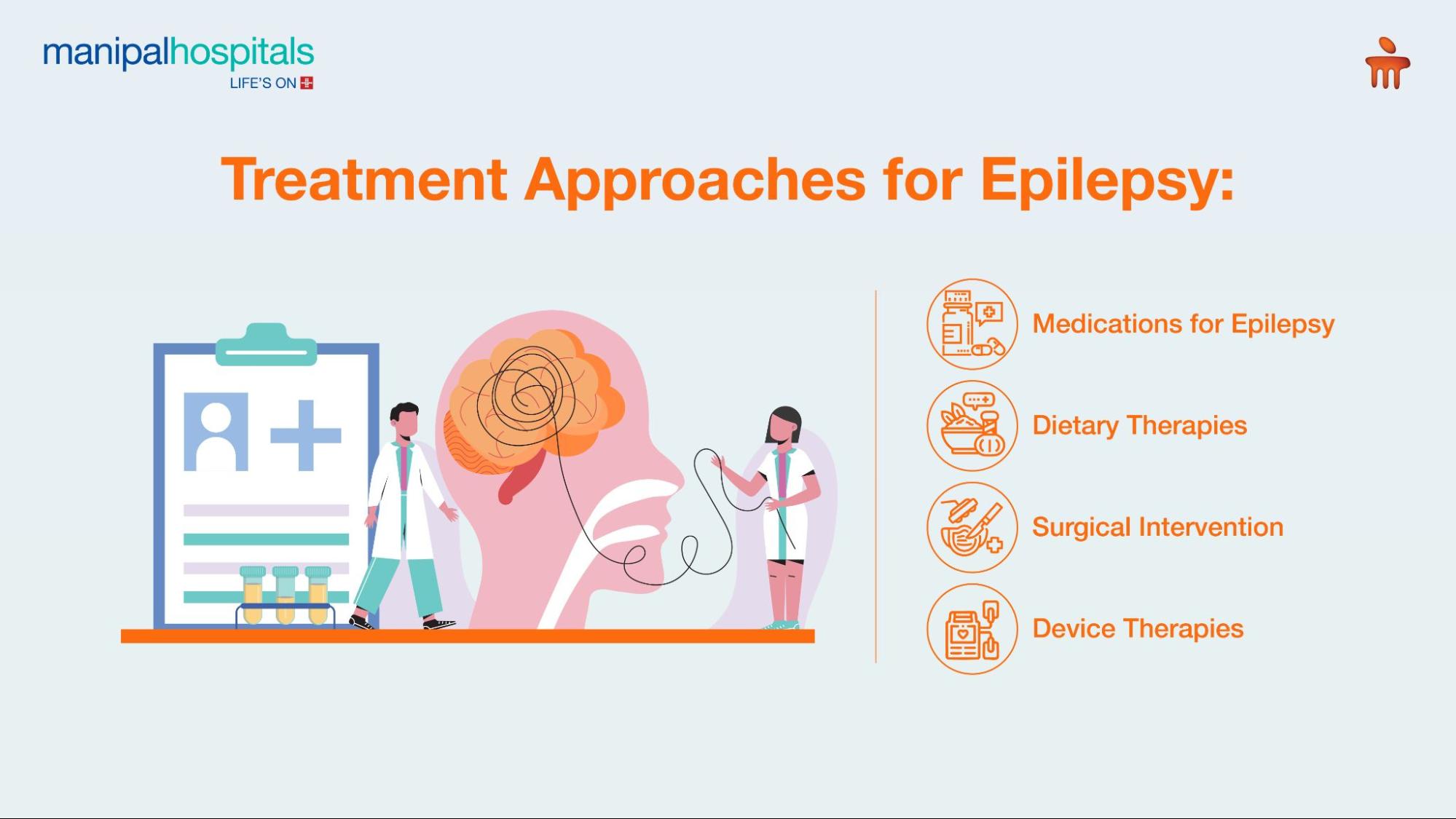
Treatment Approaches Often Involve:
-
Medications for Epilepsy: Anti-seizure medications are the most common and often highly effective treatment. Many individuals experience a significant reduction or complete cessation of seizures with these.
-
Dietary Therapies: For some individuals, particularly children with certain types of epilepsy, specific diets like the ketogenic diet can be beneficial in controlling seizures.
-
Surgical Intervention: If seizures consistently originate from a small, well-defined area of the brain and do not respond to medication, surgery to remove that area may be an option. Success rates for epilepsy surgery can be as high as 70-80% in carefully selected patients, leading to long-term seizure freedom.
-
Device Therapies: Vagus nerve stimulation (VNS) or responsive neurostimulation (RNS) devices can be implanted to help control seizures by sending electrical pulses to the brain or a nerve.
The journey to effective seizure management is often collaborative, involving patients, families, and a dedicated medical team. Our neurologists are adept at creating personalised treatment plans, integrating the latest advancements in medications for epilepsy and other therapies.
If a seizure lasts longer than five minutes, if another seizure immediately follows, if the person is injured during the seizure, or if it's their first seizure, seek immediate medical help. This guidance is a critical part of living with a seizure disorder and providing immediate support.
International Epilepsy Day: A Call to Action for Brain Health
International Epilepsy Day highlights the global effort to improve the lives of people with epilepsy. The causes of International Epilepsy Day extend beyond mere awareness; it's about advocating for better diagnosis, treatment, research, and eliminating the social stigma that often accompanies this neurological disorder. This day underscores the importance of fostering a supportive and inclusive environment for everyone affected by epilepsy.
Through events and campaigns on this day, we collectively strive to advance our understanding of brain health and ensure that individuals with epilepsy receive the care and respect they deserve. It's a powerful reminder that with proper epilepsy diagnosis and seizure management, individuals can lead full and productive lives.
Epilepsy is a condition that requires comprehensive understanding and care, but it is far from an insurmountable challenge. With advancements in medications for epilepsy and other treatment modalities, coupled with increased awareness and supportive communities, individuals with epilepsy can manage their condition effectively. Manipal Hospitals is committed to providing leading-edge neurological care, ensuring that every patient receives personalised attention and access to the best available therapies. Our team, including our expert neurologists in Ghaziabad, is dedicated to improving brain health outcomes for all.
If you or a loved one is experiencing symptoms of epilepsy or has concerns about a seizure disorder, it's crucial to seek timely medical advice. Book an appointment with our expert neurologists at Manipal Hospitals today.
Learn More: What is Epilepsy Surgery: Causes, Symptoms & Treatments
FAQ's
A1: Seizure triggers vary widely among individuals but can include sleep deprivation, stress, illness, flashing lights (photosensitivity), alcohol consumption, certain medications, and hormonal changes. Identifying and avoiding personal triggers can be a crucial part of seizure management.
A2: While there isn't a universal cure for epilepsy, many individuals can achieve complete seizure freedom with appropriate treatment, primarily through medications for epilepsy. For some, surgery or other therapies can also lead to long-term remission, essentially curing the functional aspects of the condition.
A3: Driving regulations for individuals with epilepsy vary by region and depend on the type, frequency, and control of seizures. In many places, a person must be seizure-free for a specific period (e.g., 6 months to a year) and medically cleared by a neurologist to drive safely.
Follow basic first aid for seizures: stay calm, time the seizure, protect the person from injury by clearing the area and placing something soft under their head, and gently roll them onto their side after the jerking stops to keep their airway clear. Do not restrain them or put anything in their mouth.
Epilepsy diagnosis typically involves a thorough medical history, including detailed descriptions of seizure events, a neurological examination, and tests such as an electroencephalogram (EEG) to detect abnormal brain activity, and brain imaging (MRI or CT scan) to identify any structural causes. Sometimes video-EEG monitoring is used for detailed analysis.
Share this article on: