6 Min Read
Gut health plays a central role in overall well-being, influencing digestion, immunity, metabolism, and even mental health. At the core of a healthy digestive system lies one essential nutrient: fibre. Including high fibre foods in your daily meals is one of the most effective ways to maintain digestive balance and prevent gastrointestinal disorders. According to our gastroenterologists in Ghaziabad, many common digestive complaints stem from inadequate fibre intake. Understanding what fibre is, the types of dietary fibre, and the full benefits of fibre can help you make informed dietary choices for long-term health.
Synopsis
What Is Fibre and Why Does It Matter?
Before exploring the advantages, it is important to understand what fibre is. Fibre is a type of carbohydrate found in plant-based foods that the body cannot fully digest. Unlike sugars and starches, fibre passes relatively intact through the stomach and intestines, playing a crucial role in regulating bowel movements and nourishing gut bacteria.
When we ask what fibre is, we are referring to a nutrient that supports digestive function without adding unnecessary calories. The dietary fibre benefits extend far beyond preventing constipation. Fibre regulates blood sugar levels, supports heart health, and helps maintain a healthy body weight.
Including high fibre foods in everyday meals ensures that the digestive tract functions smoothly. Without adequate fibre, the gut may become sluggish, leading to bloating, irregular bowel habits, or more serious gastrointestinal conditions.
Types of Dietary Fiber
To fully understand the types of dietary fibre, we must recognise that fibre is broadly classified into two main categories: soluble and insoluble fibre.
1. Soluble Fibre
Soluble fibre dissolves in water to form a gel-like substance. It slows digestion and helps regulate blood glucose and cholesterol levels. Common soluble fibre foods include oats, apples, citrus fruits, carrots, barley, and legumes.
2. Insoluble Fibre
Insoluble fibre does not dissolve in water. It adds bulk to stool and helps food pass more quickly through the digestive tract. Whole grains, nuts, seeds, and leafy vegetables are examples of insoluble fibre sources often found among high fibre foods.
Understanding the types of dietary fibre helps individuals choose a balanced diet. Both forms contribute to the overall benefits of fibre, and consuming a combination of soluble fibre foods and insoluble fibre sources ensures optimal digestive health.
Benefits of Fibre for Gut Health
The benefits of fibre are extensive and well supported by medical evidence. Let us explore how fibre directly improves gut health.
1. Promotes Regular Bowel Movements
One of the primary dietary fibre benefits is preventing constipation. Fibre increases stool bulk and softness, making bowel movements easier and more regular.
Regular intake of high fibre foods reduces the risk of haemorrhoids and diverticular disease.
2. Supports Healthy Gut Bacteria
Certain soluble fibre foods act as prebiotics, feeding beneficial gut bacteria. These bacteria produce short-chain fatty acids that reduce inflammation and protect the intestinal lining. Among the many dietary fibre benefits, supporting the gut microbiome is particularly important for immunity.
3. Reduces Risk of Gastrointestinal Disorders
The benefits of fibre include lowering the risk of irritable bowel syndrome symptoms and colorectal conditions. Diets rich in high-fibre foods are associated with a reduced risk of colorectal cancer.
4. Helps Maintain a Healthy Weight
Fibre increases satiety, helping individuals feel fuller for longer. Including high fibre foods in meals reduces overeating and assists in weight management. When patients ask what fibre is and how it helps weight control, we explain that fibre slows digestion and stabilises appetite hormones.
5. Regulates Blood Sugar Levels
Soluble fibre slows glucose absorption, making soluble fibre foods particularly beneficial for people with diabetes or insulin resistance. The dietary fibre benefits extend to better glycaemic control and reduced risk of metabolic disorders.
High Fibre Foods to Include in Your Diet
Incorporating high fibre foods into daily meals does not require drastic dietary changes. Simple additions can make a meaningful difference.
-
Whole grains such as brown rice and whole wheat bread
-
Oats and barley, which are excellent sources of soluble fibre foods
-
Lentils, chickpeas, and kidney beans
-
Fresh fruits like pears, apples, and berries
-
Vegetables, including broccoli, carrots, and spinach
-
Nuts and seeds
When considering the types of dietary fibre, combining fruits, vegetables, and whole grains ensures both soluble and insoluble fibre intake. Our gastroenterologists in Ghaziabad often recommend gradually increasing high-fibre foods to avoid bloating or discomfort.
How Much Fibre Do You Need?
Understanding what fibre is also involves knowing the recommended daily intake. Adults generally require 25–35 grams of fibre per day. However, many individuals consume far less, limiting the full benefits of fibre.
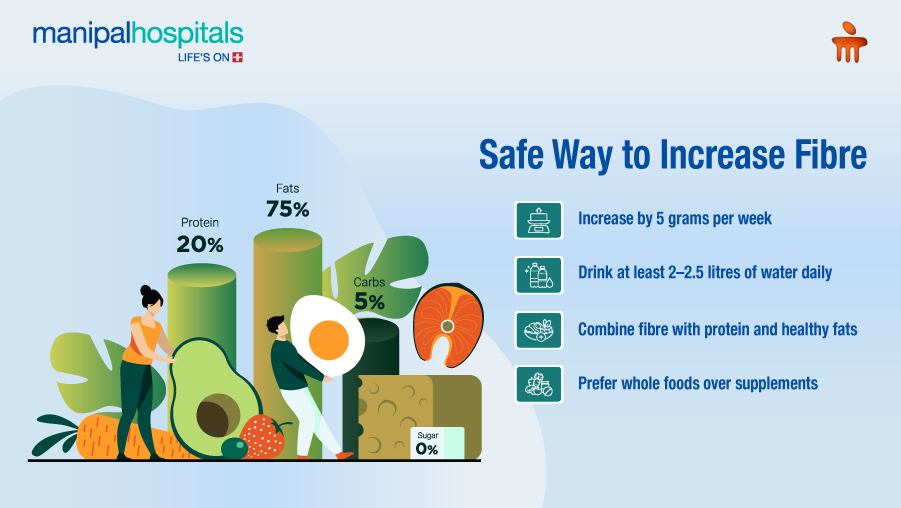
Gradually increasing high-fibre foods allows the digestive system to adapt. Drinking adequate water is essential, as fibre absorbs fluid. The dietary fibre benefits are maximised when fibre intake is paired with proper hydration.
Fibre and Preventive Healthcare
The long-term benefits of fibre make it a cornerstone of preventive healthcare. A diet rich in high-fibre foods supports cardiovascular health, reduces cholesterol levels, and lowers the risk of chronic disease.
Understanding the types of dietary fibre empowers patients to make balanced choices. While soluble fibre foods assist in metabolic regulation, insoluble fibre ensures bowel regularity. The combined dietary fibre benefits contribute to improved digestive resilience.
For individuals experiencing persistent digestive symptoms, consulting our gastroenterologists in Ghaziabad can provide tailored dietary advice. While fibre is beneficial, certain gastrointestinal conditions may require customised fibre planning.
Practical Tips to Increase Fibre Intake
-
Start your day with oats or other soluble fibre foods.
-
Replace refined grains with whole-grain high-fibre foods.
-
Add a serving of vegetables to every meal.
-
Snack on fruits and nuts instead of processed options.
-
Learn what fibre content is by reading nutrition labels.
These small adjustments enhance the dietary fibre benefits without overwhelming the digestive system.
When to Seek Medical Advice
Although the benefits of fibre are well established, excessive or sudden intake of high-fibre foods can cause bloating or gas. Individuals with inflammatory bowel disease or intestinal narrowing should seek professional advice before significantly increasing fibre consumption.
If you experience persistent abdominal pain, unexplained weight loss, or changes in bowel habits, our gastroenterologist in Ghaziabad can assess your condition and recommend an appropriate dietary strategy based on the types of dietary fibre suitable for you.
Conclusion
Fibre is a foundational nutrient for digestive health. By understanding what fibre is, recognising the different types of dietary fibre, and appreciating the extensive dietary fibre benefits, individuals can make informed dietary choices. The consistent inclusion of high fibre foods supports regular bowel movements, nurtures beneficial gut bacteria, regulates metabolism, and promotes overall well-being.
The benefits of fibre extend beyond digestion, influencing heart health, blood sugar control, and long-term disease prevention. By incorporating a balanced combination of soluble fibre foods and insoluble fibre sources, you can significantly enhance gut function and overall health.
FAQ's
Fibre refers to a plant-based carbohydrate that aids digestion without being fully digested. The dietary fibre benefits include improved bowel regularity, better gut bacteria balance, and reduced risk of digestive disorders.
The primary types of dietary fibre are soluble and insoluble fibre. Soluble fibre foods help regulate blood sugar and cholesterol, while insoluble fibre promotes regular bowel movements.
Common high fibre foods include whole grains, legumes, fruits, vegetables, nuts, and seeds. Combining various sources ensures maximum benefits of fibre.
Yes, a sudden increase in high fibre foods may lead to bloating or discomfort. Gradual inclusion allows you to experience the full dietary fibre benefits safely.
Soluble fibre foods dissolve in water and form a gel-like substance that slows digestion. Among the types of dietary fibre, soluble fibre is particularly effective for blood sugar and cholesterol management, contributing significantly to the overall benefits of fibre.
Share this article on: