7 Min Read
As parents, we all want the best for our children, and at the heart of their well-being lies proper nutrition. The journey from infancy to adolescence is a period of remarkable growth and development, where every bite counts. Providing healthy foods for kids isn't just about filling their tummies; it's about building the foundational blocks for their physical health, cognitive function, and emotional balance. Understanding nutrition for children is paramount, and at Manipal Hospitals, our dedicated team in paediatrics in Delhi-NCR is committed to guiding you through every stage of your child's growth.
This comprehensive guide will delve into the essential nutrients your child needs, highlight key food groups, and offer practical advice to make mealtime a success. Remember, a well-nourished child is a happy and thriving child, and our experts in paediatrics in Delhi-NCR are always here to support you in ensuring optimal health for your little ones.
Synopsis
The Crucial Role of Early Nutrition in Growth and Development
The first few years of a child's life are critical for growth and development, with nutrition playing an unparalleled role. During this time, the body builds bone mass, develops muscle, and, most significantly, the brain undergoes rapid development. Astonishingly, up to 80% of brain development occurs by the age of three, highlighting the absolute necessity of a nutrient-rich diet. Proper nutrition for children directly influences:
-
Cognitive Function: Essential nutrients fuel brain activity, impacting memory, learning, and concentration.
-
Physical Growth: Adequate intake of proteins, vitamins, and minerals supports healthy bone and muscle development, ensuring children reach their full growth potential.
-
Immune System Strength: A well-nourished child has a more robust immune system, better equipped to fight off infections and illnesses. Studies indicate that children with consistent intake of fruits and vegetables experience up to a 30% reduction in common colds and flu.
-
Energy Levels: Sufficient calories from healthy sources provide the sustained energy kids need for play, exploration, and learning.
Neglecting healthy foods for kids can lead to deficiencies, impacting their energy, concentration, and overall resilience. Early nutritional interventions have shown to improve long-term health outcomes by as much as 40% in various studies.
Essential Food Groups for Optimal Child Health
A balanced diet for children should include a variety of foods from all major food groups to ensure they receive a broad spectrum of nutrients. Here are the pillars of healthy eating habits for kids:
Proteins: The Building Blocks
Proteins are vital for muscle development, tissue repair, enzyme production, and a strong immune system. They are the fundamental building blocks for growing bodies. Research indicates that children consistently meeting their daily protein requirements have a 25% lower risk of experiencing growth stunting.
-
Sources: Lean meats (chicken, fish), eggs, dairy products (milk, yoghurt, cheese), pulses, beans, lentils, nuts, and seeds.
-
Tip: Offer small, frequent portions of protein throughout the day.
Complex Carbohydrates: Sustained Energy
Carbohydrates are the primary source of energy for children, fuelling their active lifestyles and rapidly developing brains. Choosing complex carbohydrates over simple sugars provides sustained energy release, preventing energy crashes.
-
Sources: Whole grains (oats, brown rice, whole-wheat bread), fruits, and vegetables (sweet potatoes, corn).
-
Tip: Encourage whole-grain options for breakfast and snacks. Studies show that children consuming complex carbohydrates for breakfast demonstrate up to 15% better concentration in school.
Healthy Fats: Brain Power and Absorption
Healthy fats are crucial for brain development, nerve function, and the absorption of fat-soluble vitamins (A, D, E, K). They also provide a concentrated source of energy.
-
Sources: Avocados, nuts and seeds (in moderation and age-appropriate forms), olive oil, fatty fish (salmon, mackerel).
-
Tip: Incorporate healthy fats into meals, such as a smear of avocado on toast or a sprinkle of chia seeds in yoghurt. Omega-3 fatty acids, found in these sources, have been linked to a 10-12% improvement in cognitive function in children.
Vitamins and Minerals: The Micronutrient Powerhouses
These micronutrients are essential for countless bodily functions, from bone health to vision to immunity.
-
Sources: A colourful array of fruits and vegetables. For instance, Vitamin C (citrus fruits, bell peppers) boosts immunity, and Vitamin D (fortified milk, sunlight) is vital for strong bones. Calcium (dairy, leafy greens) is also critical for bone development, with 90% of adult bone mass being accumulated by age 18.
-
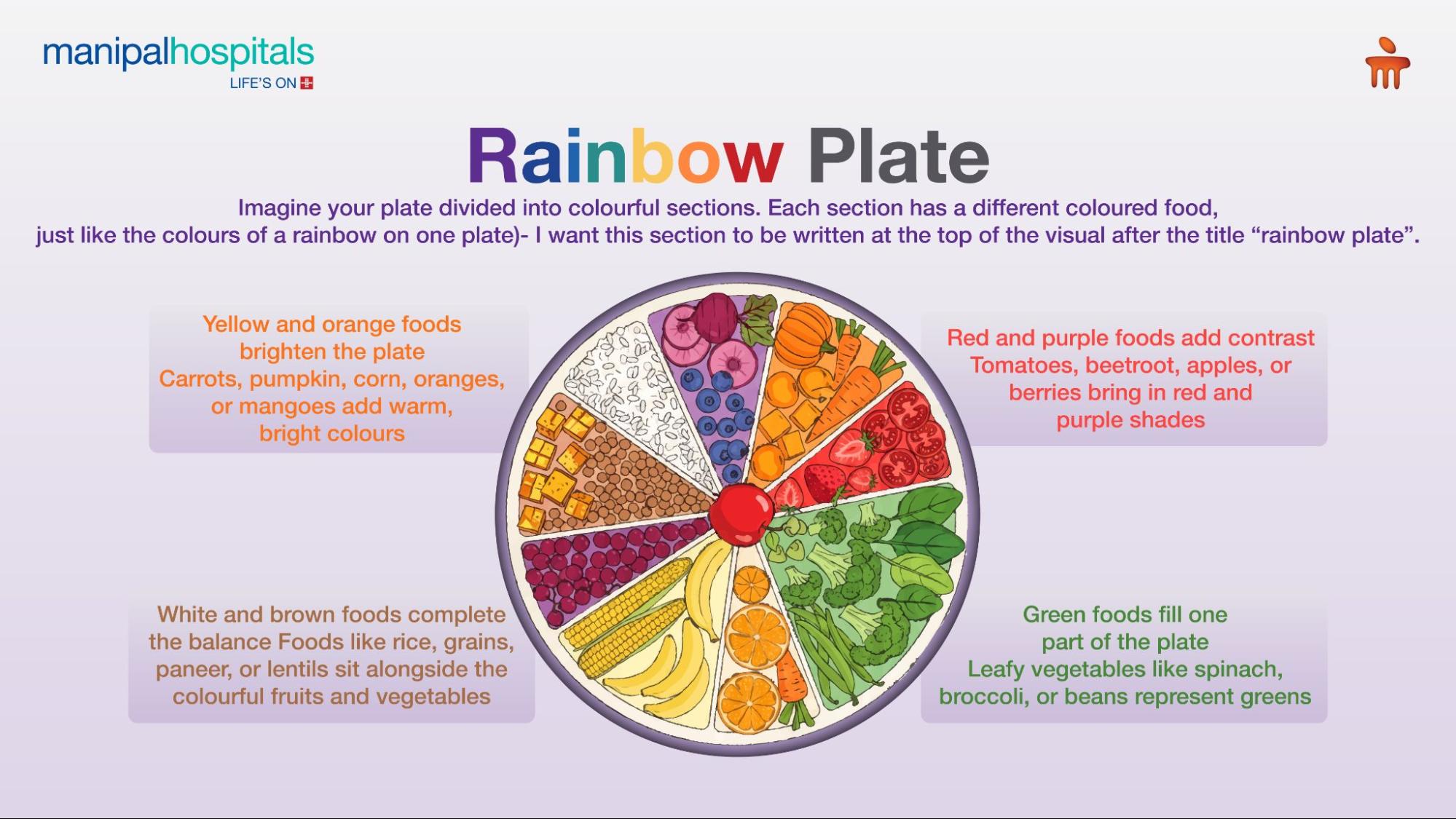
Tip: Aim for a 'rainbow plate' at every meal to ensure a wide range of vitamins and minerals.
Focus on Iron-Rich Foods for Kids
Iron is a vital mineral, particularly for growing children. It's crucial for producing haemoglobin, which carries oxygen in the blood, and supports brain development and energy levels. Iron deficiency anaemia is a common nutritional problem in children worldwide, affecting approximately 1 in 4 children, and can lead to fatigue, poor concentration, and impaired cognitive development.
-
Why it's important: Adequate iron intake prevents anaemia, boosts immunity, and supports proper cognitive function. Consistent intake of iron-rich foods can lead to an improvement in academic performance by up to 20% in children previously suffering from iron deficiency.
-
Excellent Sources of Iron:
-
Haem Iron (more easily absorbed): Red meat, poultry, fish.
-
Non-Haem Iron: Fortified breakfast cereals, spinach, lentils, beans, tofu, dried fruits.
-
-
Enhancing Absorption: Pair non-haem iron sources with foods rich in Vitamin C (e.g., spinach with orange slices) to significantly boost iron absorption.
Cultivating Healthy Eating Habits for Kids
Beyond offering healthy foods for kids, it's equally important to foster positive attitudes towards food and eating. Healthy eating habits for kids are learned behaviours that can last a lifetime.
-
Lead by Example: Children are keen observers. When they see parents or caregivers making healthy food choices, they are more likely to emulate them.
-
Involve Them: Let children participate in meal planning, grocery shopping, and simple food preparation tasks. This increases their interest and willingness to try new foods.
-
Make it Fun: Cut food into fun shapes, create colourful plates, or invent silly names for healthy dishes.
-
Regular Family Meals: Eating together as a family has been shown to increase children's fruit and vegetable intake by 30% and reduce the likelihood of obesity.
-
Limit Processed Foods and Sugary Drinks: These often contain empty calories, excessive sugar, unhealthy fats, and sodium, contributing to poor health outcomes.
-
Be Patient: It can take multiple exposures (sometimes 10-15 times) for a child to accept a new food. Keep offering small portions without pressure.
Nurturing healthy eating habits in children is an ongoing journey that requires patience, consistency, and a positive approach. By focusing on healthy foods for kids and instilling good habits early on, you are investing in their future health and happiness. Our paediatric specialists in Delhi-NCR at Manipal Hospitals are always available to provide personalised advice and support for your child's nutritional needs. We are dedicated to ensuring every child has the best possible start in life.
Conclusion
If you are experiencing these symptoms, it's crucial to seek timely medical advice. Book an appointment with our expert paediatrician at Manipal Hospitals, Ghaziabad, today.
FAQ's
The amount varies by age, activity level, and climate. Generally, toddlers need around 2-4 glasses, while older children (4-8 years) should aim for 5 glasses, and those over 8 years, 7-8 glasses. Encourage water throughout the day, especially between meals.
Offer a variety of foods repeatedly without pressure. Involve them in cooking, make food fun (e.g., cutting into shapes), and be a good role model. Don't make separate meals; offer what the family is eating in small portions. It often takes many exposures for a child to accept a new food.
For most healthy children who eat a balanced diet with healthy foods for kids, supplements are not necessary. However, some children, such as very picky eaters, those with dietary restrictions (e.g., vegan), or certain medical conditions, may benefit. Always consult your paediatrician before starting any supplements. Many paediatricians recommend Vitamin D supplementation for infants and young children in certain regions.
Focus on reducing sugary drinks (soda, fruit juices with added sugar), processed snacks, and desserts. Offer fresh fruits as sweet treats. Read food labels carefully for hidden sugars. Limit access to sweets and keep them as occasional treats, not everyday items.
Good snack options include fresh fruits (apples, bananas, berries), vegetable sticks with hummus, yoghurt, cheese sticks, hard-boiled eggs, whole-grain crackers with avocado, or a small handful of nuts (for older children, ensuring no choking hazard).
Share this article on: