6 Min Read
Hormones are powerful chemical messengers that regulate almost every physiological process in a woman's body, from metabolism and mood to reproduction and sleep. When this intricate system falls out of sync, it leads to what is known as a hormonal imbalance in women. This widespread condition can significantly impact a woman's quality of life, manifesting through a spectrum of often subtle, yet debilitating, symptoms. Understanding these signs is the crucial first step towards reclaiming your health.
At Manipal Hospitals, our dedicated team of expert gynaecologists in Ghaziabad is committed to providing comprehensive care, guiding women through diagnosis and effective management of hormonal imbalance in women. Studies indicate that up to 80% of women may experience some form of hormonal imbalance in women at different life stages, making awareness and timely intervention paramount. This guide will delve into the common symptoms of hormonal imbalance, elaborate on when professional consultation becomes essential, and shed light on various hormonal imbalance treatment strategies available to help you navigate this journey.
Synopsis
Understanding Hormonal Imbalance in Women
In women, hormones such as estrogen, progesterone, cortisol, insulin, and thyroid hormones play pivotal roles. Oestrogen and progesterone, primarily produced in the ovaries, govern the menstrual cycle, fertility, and bone health. Thyroid hormones regulate metabolism and energy. Insulin regulates blood sugar levels, while cortisol, the stress hormone, affects mood and energy. A hormonal imbalance in women occurs when there is too much or too little of one or more of these chemical messengers, disrupting the body's normal functioning. This imbalance can be influenced by various factors, including stress, diet, environmental toxins, age, and certain medical conditions. Recognising these influences is key to understanding the multifaceted nature of hormonal imbalance in women and its impact.
Common Signs and Symptoms of Hormonal Imbalance
The symptoms of hormonal imbalance are diverse and can vary greatly depending on which hormones are affected. They often overlap with symptoms of other conditions, making an accurate diagnosis by a specialist crucial. Recognising these signs is the first step towards seeking help for a hormonal imbalance in women.
-
Irregular Periods: One of the most noticeable symptoms of hormonal imbalance is changes in the menstrual cycle. This includes irregular periods, unusually heavy or light bleeding, missed periods, or extremely painful periods. Over 30% of women report experiencing irregular periods at some point, often linked to underlying hormonal fluctuations such as Polycystic Ovary Syndrome (PCOS) or thyroid dysfunction.
-
Unexplained Weight Fluctuations: Difficulty losing or gaining weight despite a consistent diet and exercise can signal a hormonal imbalance in women. Hormones like thyroid, insulin, and cortisol directly impact metabolism and fat storage.
-
Persistent Acne: Adult acne, especially around the jawline, chin, and upper neck, can be a classic sign of excess androgens (male hormones), indicating hormonal imbalance in women.
-
Fatigue and Sleep Disturbances: Chronic fatigue, even after adequate rest, and issues like insomnia or restless sleep are common symptoms of hormonal imbalance. Cortisol imbalance or low progesterone can disrupt sleep patterns.
-
Mood Swings and Irritability: Fluctuations in oestrogen and progesterone can significantly affect brain chemistry, leading to anxiety, depression, irritability, and heightened emotional sensitivity. These mood-related symptoms of hormonal imbalance can profoundly affect daily life.
-
Hair Loss or Excessive Hair Growth: Thinning hair on the scalp or excessive hair growth (hirsutism) on the face, chest, or back can indicate a hormonal imbalance in women, particularly androgen excess.
-
Digestive Issues: Bloating, constipation, or diarrhoea can be linked to hormonal fluctuations, as hormones influence gut motility and function.
-
Decreased Libido: A noticeable drop in sex drive is often a `symptom of hormonal imbalance`, particularly due to low oestrogen or testosterone levels.
-
Headaches and Migraines: For many women, headaches or migraines are cyclical, worsening around menstruation, which points to oestrogen fluctuations as a potential cause of hormonal imbalance in women.
When to Consult a Gynaecologist
While some minor hormonal fluctuations are normal, persistent or severe symptoms of hormonal imbalance warrant medical attention. It's crucial to consult a gynaecologist if you experience:
-
Chronic irregular periods or significant changes in your menstrual cycle.
-
Sudden, unexplained weight changes.
-
Severe or worsening acne and hair changes.
-
Persistent fatigue, mood disturbances, or sleep problems that affect your daily routine.
-
Difficulty conceiving, as a hormonal imbalance in women, is a leading cause of infertility. Approximately 12-15% of couples globally face infertility, with hormonal factors contributing significantly to female infertility.
Early diagnosis of hormonal imbalance in women can prevent long-term health complications such as osteoporosis, cardiovascular disease, and certain cancers. A proactive approach to understanding your body's signals is paramount.
Diagnosing Hormonal Imbalance: Hormone Imbalance Tests
Diagnosing hormonal imbalance in women typically involves a comprehensive approach by a gynaecologist. This begins with a detailed medical history and physical examination. Your doctor will inquire about your symptoms of hormonal imbalance, lifestyle, and menstrual patterns. Following this, various `hormone imbalance tests` may be recommended.
-
Blood Tests: These are the most common `hormone imbalance tests` and can measure levels of oestrogen, progesterone, follicle-stimulating hormone (FSH), luteinising hormone (LH), thyroid hormones (TSH, T3, T4), prolactin, testosterone, DHEA-S, and cortisol. The timing of these blood tests often depends on your menstrual cycle.
-
Saliva Tests: These can be used to measure hormone levels, particularly cortisol and DHEA-S, reflecting bioavailable hormone levels.
-
Urine Tests: Sometimes, specific `hormone imbalance tests` using urine samples can provide insights into hormone metabolism over 24 hours.
-
Imaging: Ultrasounds (pelvic, thyroid) may be performed if conditions like PCOS, uterine fibroids, or thyroid nodules are suspected as causes of hormonal imbalance in women.
Accurate `hormone imbalance tests` are critical for tailoring an effective hormonal imbalance treatment plan, ensuring that the root cause of the hormonal imbalance in women is addressed.
Navigating Hormonal Imbalance Treatment
The hormonal imbalance treatment strategy is highly individualised, depending on the specific hormones affected, the underlying cause, and the severity of symptoms of hormonal imbalance. The goal of hormonal imbalance treatment is to restore hormonal equilibrium and alleviate symptoms.
-
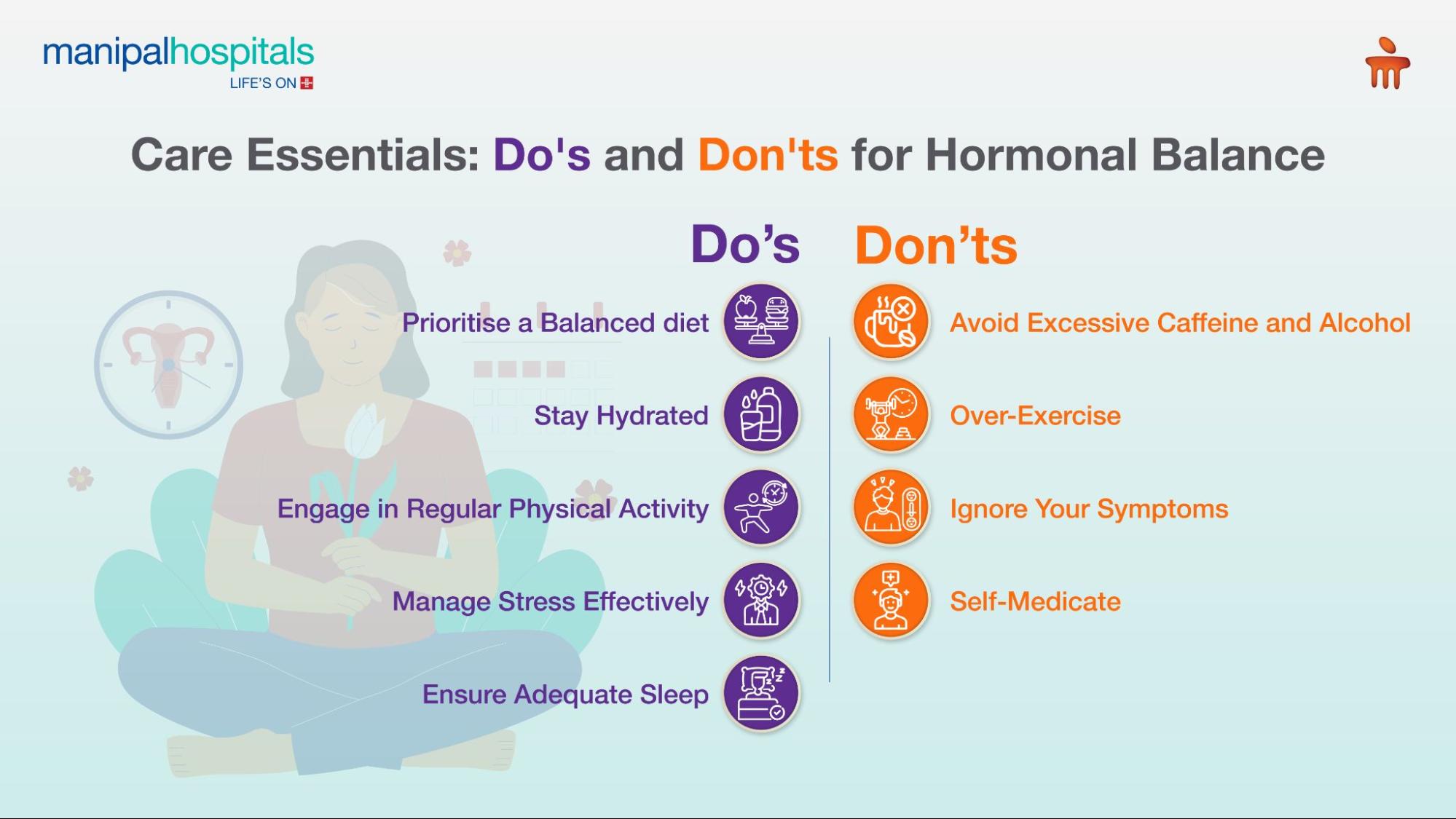
Lifestyle Modifications: Often the first line of defence, these include dietary changes, regular exercise, stress management techniques, and adequate sleep. A balanced diet for hormonal balance, rich in whole foods, healthy fats, and lean proteins, can significantly improve hormonal function.
-
Medications for Hormonal Imbalance: Your gynaecologist may prescribe specific `medications for hormonal imbalance`. These can include hormone replacement therapy (HRT) for menopause symptoms, birth control pills to regulate irregular periods and manage androgen excess, or thyroid medication for thyroid disorders. For conditions like PCOS, `medications for hormonal imbalance` might focus on insulin sensitivity or androgen reduction.
-
Nutritional Supplements: Certain vitamins and minerals can support hormonal health. Your doctor might recommend supplements as part of your hormonal imbalance treatment plan.
-
Stress Reduction Techniques: Chronic stress elevates cortisol levels, exacerbating hormonal imbalance in women. Practices like yoga, meditation, and mindfulness are vital components of a holistic hormonal imbalance treatment.
Many women see significant improvement in symptoms of hormonal imbalance within weeks to months of starting an appropriate hormonal imbalance treatment. With timely diagnosis, over 90% of cases of hormonal imbalance in women can be effectively managed, leading to significant symptom improvement and enhanced quality of life.
Empowering Your Health Journey
Living with a hormonal imbalance in women can be challenging, but it is far from insurmountable. With awareness, early detection, and a tailored hormonal imbalance treatment plan, women can effectively manage their symptoms of hormonal imbalance and significantly improve their quality of life. Remember, your body provides subtle cues; listening to them and seeking expert help from our trusted gynaecologists in Ghaziabad is the greatest gift you can give yourself. Manipal Hospitals is here to support you every step of the way, offering advanced diagnostic capabilities and compassionate care for hormonal imbalance in women.
Conclusion
If you are experiencing these symptoms, it's crucial to seek timely medical advice. Book an appointment with our expert gynaecologists at Manipal Hospitals today.
FAQ's
Hormonal imbalance in women can be caused by various factors, including stress, poor diet, lack of sleep, certain medical conditions like PCOS or thyroid disorders, medications, environmental toxins, and natural life stages.
While irregular periods are a common `symptom of hormonal imbalance`, they can also be influenced by lifestyle factors, stress, extreme weight fluctuations, or certain medical conditions unrelated to hormones.
Yes, a balanced diet for hormonal balance plays a significant role. Consuming whole foods, healthy fats, lean proteins, and fibre, while limiting processed foods, sugar, and unhealthy fats, can support hormone production, reduce inflammation, and improve overall hormonal health.
Common `hormone imbalance tests` include blood tests to measure levels of oestrogen, progesterone, FSH, LH, thyroid hormones (TSH, T3, T4), prolactin, testosterone, DHEA-S, and cortisol.
The time it takes for hormonal imbalance treatment to show results varies depending on the individual, the severity of the imbalance, and the chosen treatment method.
Share this article on: